Category: Op-ed

  • The Price of Passage: Checkpoints Taxation and Everyday Survival in Sagaing
    The Price of Passage: Checkpoints Taxation and Everyday Survival in Sagaing

    The Price of Passage: Checkpoints Taxation and Everyday Survival in Sagaing

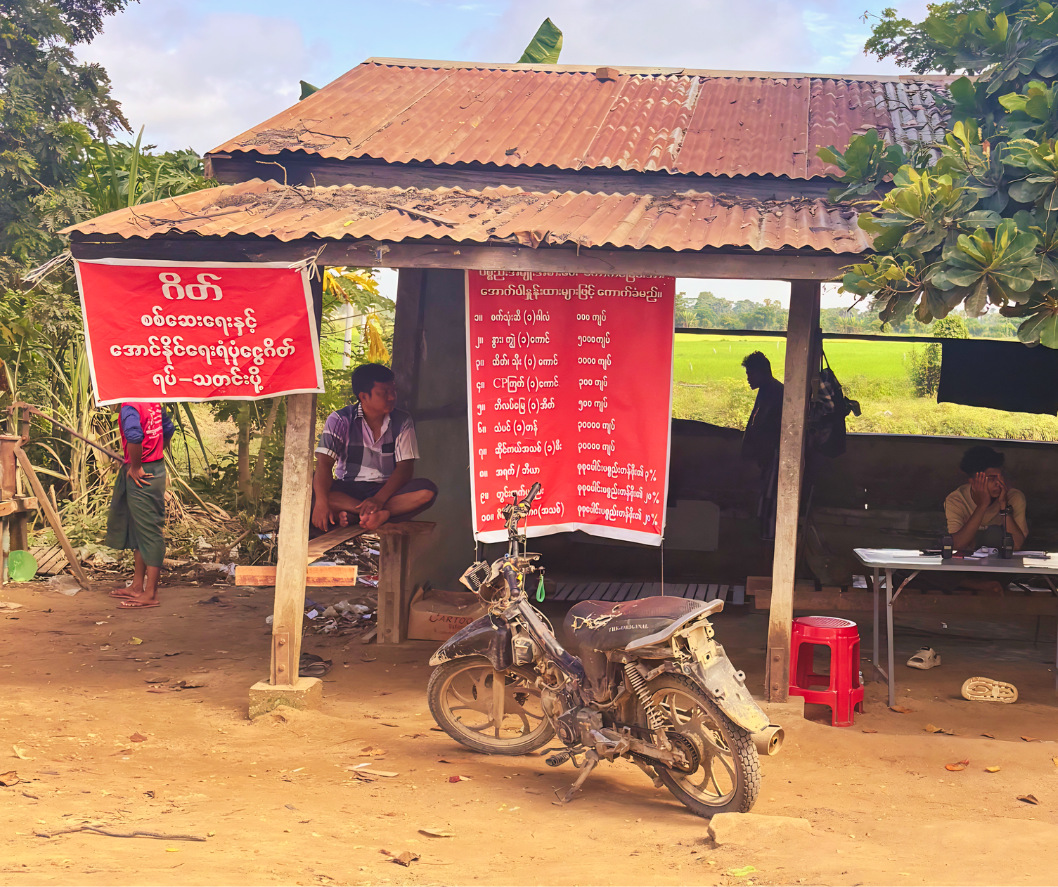
    Local toll gate at a central junction in Depayin township [Photo: Let Pan Ni]

    Across conflict-affected Sagaing, the cost of movement is shaped not only by distance and fuel, but by checkpoints, competing authorities and emerging systems of taxation. The central question is not simply who controls the road, but whether the power exercised there is predictable, respectful and publicly accountable.

    The road as an institution

    In wartime Sagaing, governance is often encountered on the road before it is encountered in an office or policy document. It appears through vehicle inspections, questions about destinations, demands for payment, municipal levies and the different treatment of private cars, passenger vehicles and commercial trucks. Some payments follow recognisable rates. Others depend on the person standing at the gate and the balance of power between checkpoint personnel and travellers.

    Checkpoints are therefore more than security installations. They are places where territorial authority, public revenue, informal extraction and everyday negotiation meet. Their costs also travel beyond the gate. A payment initially made by a driver or trader may later reappear in passenger fares, transport charges and the prices of rice, medicine, fuel and agricultural inputs.

    Local accounts indicate that private vehicles travelling between rural townships and Monywa may encounter several SAC [military junta] checkpoints in a single journey. A commonly reported charge is 2,000 MMK [ approximately 0.5 USD] per checkpoint for an ordinary private vehicle, with an additional municipal wheel tax when entering Monywa. On a route with four checkpoints, the direct cost can reach 9,000 MMK [approximately 2 USD] one way and 18,000 MMK [approximately 4.5 USD] for a return journey. Passenger express vehicles and commercial trucks may face different charges according to their use and the goods carried.

    Drivers describe the 2,000 MMK payment at SAC checkpoints as a routine understood by both sides. What is not predictable is the treatment that accompanies it. Local accounts suggest that encounters can depend on the mood and behaviour of individual soldiers, including whether they have been drinking. The amount may therefore be standardised through repetition while the exercise of authority remains personalised and potentially coercive.

    Written policy and uneven practice

    Collections by pro-democracy authorities require a different but equally careful analysis. The National Unity Government has established revenue and taxation arrangements for areas under its administration, including township-level collection through People’s Administration Teams, commonly known as Pa Ah Pha. In Sagaing, an announced schedule identifies ten commodity categories and applies rates according to the type, quantity or stated value of goods transported.
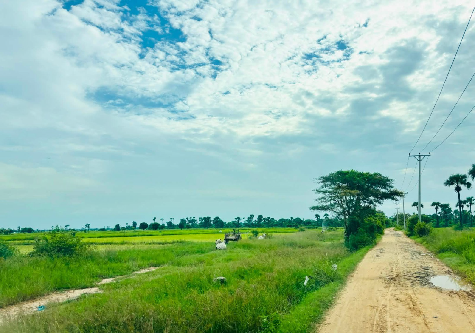
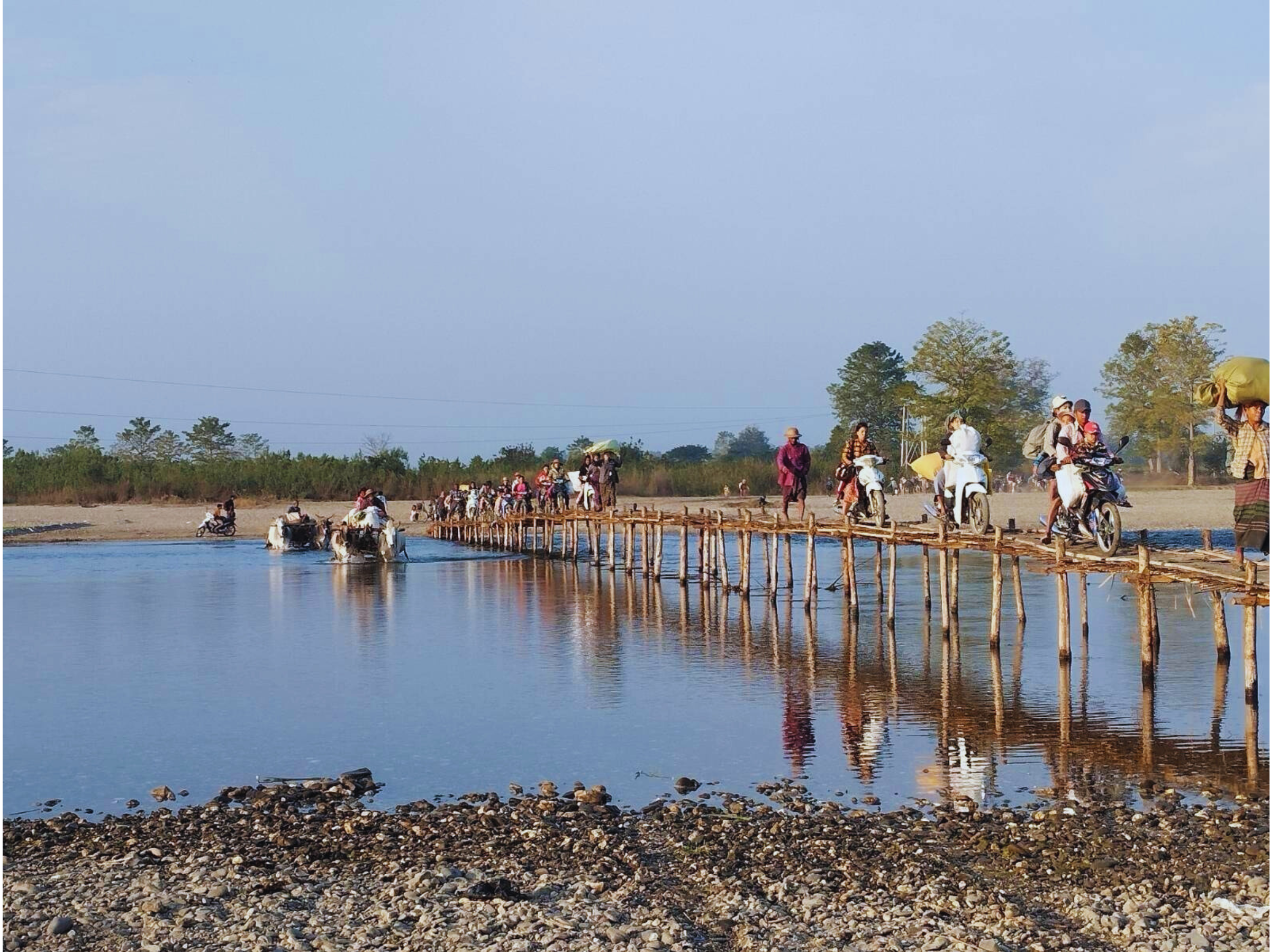
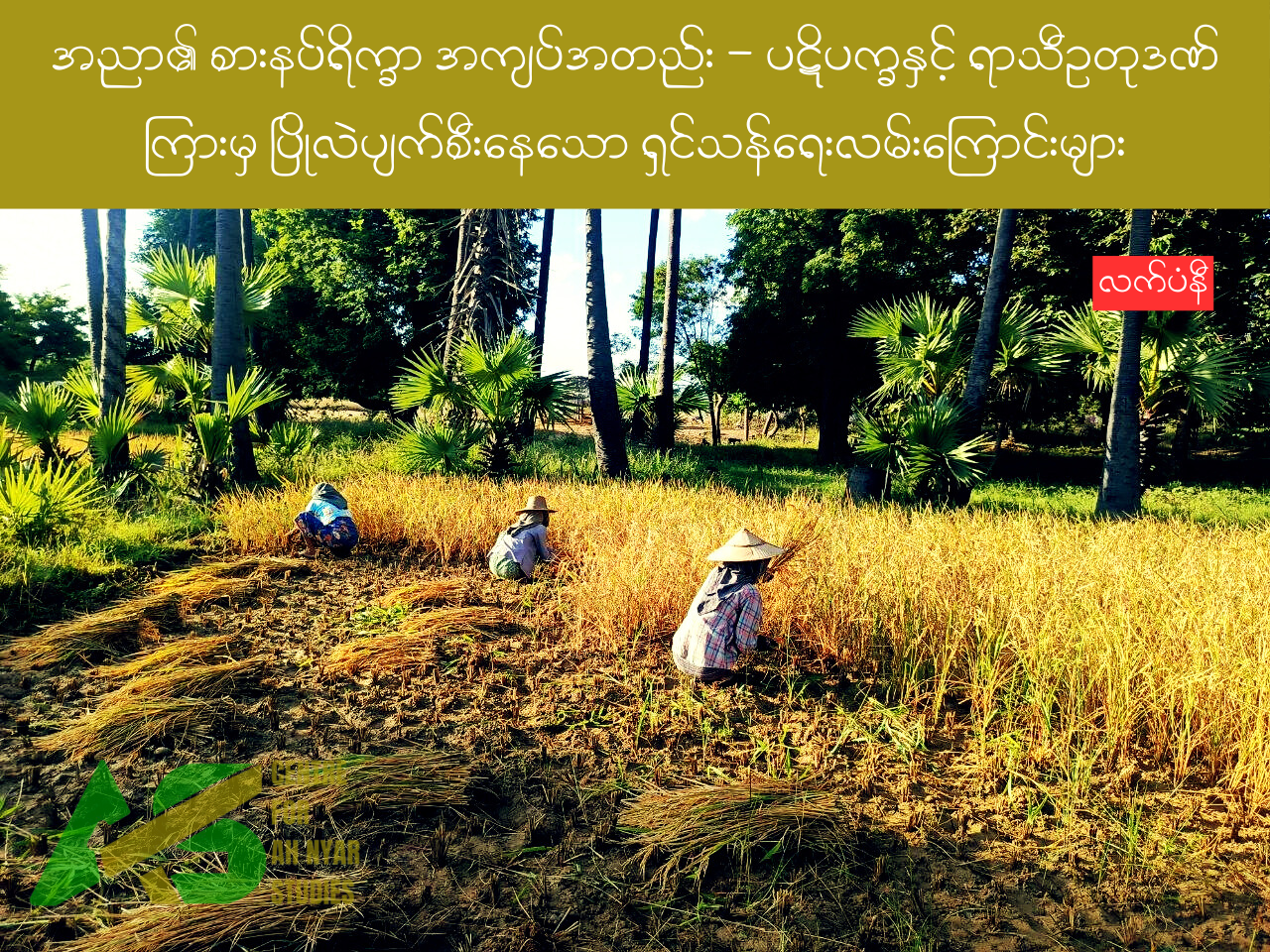
    Rural road connecting villages in Wetlet township, Sagaing [Photo: Let Pan Ni]

    This commodity schedule is directed mainly at vehicles transporting goods for commercial purposes. It is separate from the 2,000 MMK checkpoint payment reported for an ordinary private vehicle. Receipts are mandatory under the announced arrangement. No general exemption has been identified, although formal authorization from the relevant authorities may exempt a particular consignment.

    Commodity

    Taxable unit or basis

    Rate

    Fuel

    Per gallon

    100 MMK

    Cow or buffalo

    Per animal

    5,000 MMK

    Goat or sheep

    Per animal

    1,000 MMK

    CP chicken

    Per bird

    300 MMK

    Cement

    Per bag

    500 MMK

    Rebar

    Per ton

    30,000 MMK

    Alcohol or beer

    Total value

    3 percent

    Motorcycle

    Per motorcycle

    30,000 MMK

    Mineral

    Load carried

    20 per cent

    Furniture

    Load carried

    20 per cent

    The schedule provides an institutional basis for collection, but a written policy does not guarantee consistent practice. For mineral and furniture loads, for example, the stated 20 per cent rate requires a clear and publicly understood method for determining taxable value. Consistency also depends on whether rates are displayed, receipts are issued, collectors can be identify,ed and the same goods are protected from repeated assessment across administrative areas.

    Local residents often distinguish between the legitimacy of contributing and the conduct of the person collecting. Many people on the ground express support for NUG and Pa Ah Pha taxation because they believe their payments help sustain the revolution. At the same time, that support is weakened when toll-gate personnel communicate poorly or address travellers in an unnecessarily authoritative manner. Public willingness to contribute is not unconditional acceptance of how authority is exercised.

    This is why respectful explanation, visible rates and mandatory receipts are not minor administrative details. They influence whether taxation is experienced as participation in a shared political project or simply as another roadside order. Pro-democracy institutions should not be judged only against the arbitrary conduct of SAC checkpoints. They should be judged against the democratic and accountable governance they seek to establish.

    Fuel prices are set along the road

    The checkpoint economy cannot be separated from fuel. Motorcycles, small vehicles and trucks are essential to everyday life across Ah Nyar. They connect farmers to fields, patients to treatment, traders to markets and volunteers to emergency response. During fighting, they also enable evacuation, movement along safer routes and the delivery of food and medicine.

    Local market reports from late August and early September 2026 placed fuel at approximately 8,000 MMK per litre in Kantbalu and 7,000 MMK in Depayin. Informal prices in Monywa and Mandalay ranged from 6,000 to 7,000 MMK, compared with an official dealer price of about 4,300 MMK per litre. At the highest reported price, consumers were paying almost 86 per cent more than the official rate.

    The difference in cost/price cannot be attributed to checkpoint payments alone. It reflects restricted official distribution, transport risk, road conditions, scarcity, storage costs, conflict disruption and trader margins. Yet these factors share one feature: they accumulate through movement. Fuel must be purchased, loaded, transported, inspected and moved through areas where authority and security conditions change. Its price is therefore produced along the road, not only at the point of sale.

    Scarcity also redistributes economic power. Traders with capital, storage and transport connections can purchase fuel while routes remain open and sell when supplies become scarce. This may create profitable activity without producing broad-based prosperity. An active fuel market can reconcile with declining household welfare, especially when ordinary families and small farmers must pay higher prices without similar opportunities to profit.

    Paddy machinery and the wider conflict economy

    If fuel is a strategic commodity in northern Sagaing, paddy and rice are central to the political economy of Shwebo District. Paddy must move between fields, villages, mills, storage sites, towns and markets. Checkpoint charges, commodity taxes, fuel prices and route closures influence the farm-gate price received by producers, the operating costs of millers and transporters, and the final price paid by consumers.

    Agricultural machinery and energy services remain essential even during war. Farmers need harvesters, tractors, pumps, engines, spare parts and repair services. Communities without reliable electricity increasingly rely on solar systems for homes, water pumping, tube wells, rice mills and small businesses. Transport and risk costs can make these productive assets unaffordable even when they are available elsewhere in the country.

    Conflict also expands markets for goods that are not equally beneficial to community welfare. Local accounts and secondary reporting describe increased trade in weapons, ammunition, drugs and other conflict-related materials. Markets for four-wheel-drive and heavy-engine vehicles have grown partly because armed actors need mobility on damaged roads and difficult terrain. The same vehicles and engines may also support farming, emergency response and civilian transport, making the civilian and conflict economies increasingly difficult to separate.

    Taxation must carry public responsibility

    The need for revenue in resistance-controlled areas is real. Township administrations require resources to provide services, respond to emergencies and maintain institutions under extreme pressure. The question is not whether local authorities may collect revenue, but how collection can become legitimate, coordinated and publicly accountable.

    A credible system should identify the collecting authority, display the applicable rates, issue standard receipts and record how revenue is used. Coordination is necessary so that the same consignment is not repeatedly taxed during one journey. Special attention is also required for food, medicine, agricultural inputs and emergency supplies. If costs rise at every territorial boundary, revenue collection may unintentionally weaken food security, health access and local businesses.

    The SAC and the pro-democracy movement do not occupy identical political or moral positions. SAC checkpoints are part of a coercive military system that seized state power, while pro-democracy institutions claim authority through resistance and democratic aspiration. That difference makes accountability more important, not less. A movement seeking to construct a different state must demonstrate that public authority can be exercised differently.

    For most people in Sagaing, governance is not first experienced through national announcements. It is experienced when they move a sick relative, carry paddy to a mill, bring fuel into a village or travel to market. The conduct of checkpoint personnel, the predictability of a charge and the availability of a receipt may shape public trust more directly than a policy document.

    A more accountable revenue system would not remove the costs of war. It could, however, prevent public taxation from becoming another unpredictable burden within it. The road is already helping to finance emerging authorities. The challenge is to ensure that this authority becomes transparent, coordinated and answerable to the communities whose movement and survival sustain it.

    Sources and evidence

    This commentary draws on anonymised local accounts and market observations from central Sagaing during late August to early September 2026, together with official NUG policy documents. Prices and checkpoint charges are time-specific and may vary with security, availability and local practice.

    1. National Unity Government Ministry of Planning, Finance and Investment. Announcement 4/2022 on tax voucher forms. Official announcement
    2. National Unity Government Ministry of Planning, Finance and Investment. Enacted laws, including the Union Taxation Law 2021. Official enacted laws page

    Let Pan Ni is an independent researcher specialising in the social dynamics of Myanmar’s central dry zone (Ah Nyar). Her research focuses on bridging the gap between realities on the ground and international policy frameworks. The views and analyses presented in this commentary are solely those of the author and do not necessarily reflect the positions of the Centre for Ah Nyar Studies.
  • Living Alongside War: When Conflict Becomes Everyday Life for Ah Nyar Women – A case study from THE VILLAGE in Sagaing Region

    Living Alongside War: When Conflict Becomes Everyday Life for Ah Nyar Women – A case study from THE VILLAGE in Sagaing Region

    Living Alongside War: When Conflict Becomes Everyday Life for Ah Nyar Women – A case study from THE VILLAGE in Sagaing Region

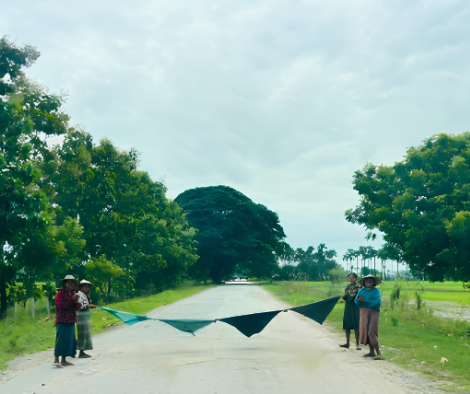
    Rural Women of THE VILLAGE in Sagaing Region (Photo: Let Pan Ni)

    The crisis did not create women’s agency from nothing. It tested, expanded and made visible the economic judgement, courage and community responsibility that Ah Nyar women already possessed. War entered every part of an ordinary woman’s life, and she quietly developed the knowledge and economic strategies needed to keep her family alive.

    In the last week of August 2026, shortly after severe flooding affected large parts of Sagaing Region, I returned to my native village in Sagaing. By then, the village had come under the control of pro-democracy resistance forces associated with the National Unity Government’s Ministry of Defence. What struck me most was not only the visible impact of conflict, but how my aunts, uncles and cousins had learned to continue their everyday lives amid frequent, sometimes daily, airstrikes and the continuing threat of ground raids.

    As is customary in Ah Nyar society, we sat together and talked about our families and what had happened during the five years since the attempted military coup. Through these conversations, I began to understand more deeply how my female cousins had confronted dangers and hardships that would previously have been unimaginable to them.

    One cousin’s experience stayed particularly strongly with me. She runs a small clothing shop in the village market. She is married to a local man who operates a vehicle-repair workshop, and they have a teenage daughter. Before the conflict, she lived what might be considered an ordinary and relatively comfortable life. The youngest daughter in a family of five children, she graduated from a university in Monywa, married a man from her village and settled into family life. She sold clothes, helped sustain the household and occasionally travelled to Monywa or Mandalay. Her aspirations were modest and grounded in the rhythms of everyday Ah Nyar life.

    That life changed profoundly in late 2023.

    One afternoon, while her husband was away, SAC [military junta] soldiers entered her compound. My cousin was at home with her 83-year-old father and her 15-year-old daughter. The soldiers suddenly dragged all three outside and ordered them to walk towards the police station. Meanwhile, other soldiers began setting fire to her house.

    Inside the house was approximately MMK 34.5 million – 345 lakh – set aside to cover the costs associated with harvesting their paddy fields. It represented the income and productive investment on which the family would depend for the entire year. As the house began to burn, she understood that losing this money could destroy their ability to recover. Survival, for her, did not mean only escaping with her life. It also meant preserving the resources her family would need to continue living afterwards.

    Gathering her courage, she told one of the soldiers that she and her daughter had been taken outside without even having time to put on their slippers. She asked for permission to go back inside. When the soldier nodded, she grasped her daughter’s hand and ran into the burning house.

    Inside, she broke open a locked wardrobe and retrieved the bag containing the money. She also collected her husband’s driving licence, their vehicle documents, their citizenship cards and other essential papers. These were not merely possessions. The vehicle and its documents were directly connected to the family’s income, while their identity cards would be essential if they were displaced or forced to pass through checkpoints.

    A three-storey reinforced-concrete building stood beside their house, separated from it by a narrow space along a brick wall. She hid the money and documents in this small gap, hoping the fire would not reach them.

    At that moment, she and her daughter might have attempted to escape. But her elderly father had already been taken towards the police station. She feared that he would not know what had happened to them and would believe they had been injured or killed. Her daughter was crying and pleading not to return to the soldiers, but my cousin insisted that they could not abandon her father. Whatever happened, she said, the family must remain together.

    They returned and were held at the police station until midnight. They were released around dawn the following morning. My cousin understood that the presence of her 83-year-old father and 15-year-old daughter had contributed to their release.

    While running through the burning house, my cousin had struck her arm against a wall. In the intensity of the moment, she had not even felt the injury. She noticed it only after reaching the police station. When I visited her almost three years later, she showed me the large, uneven scar that remained on her arm.

    Since that incident, her family has lived in a state of constant alertness. They built a small bomb shelter behind their house and have become accustomed to moving back and forth between their beds and the shelter, sometimes twice in a single day. Airstrikes, warnings and the possibility of another ground raid have become part of the routine through which they organise everyday life.

    Nevertheless, whenever conditions permit, she continues opening her clothing shop. Her reasoning is simple and practical: if the family is forced to flee again, they will need money to survive and establish themselves elsewhere.

    When pro-democracy resistance forces prepared to take control of the village, residents reportedly received only three hours’ notice to evacuate. Because her family owned a car, my cousin managed to load some of the clothes from her shop before leaving. They sought safety in a nearby village, where her mother was born. Even while displaced, she remained economically active. She began selling the clothes she had brought to people in the host village. She later told me with pride that she had earned approximately MMK 8.5 million – 85 lakh – during the period of displacement.

    After the resistance forces took control of her village, the family returned home and resumed its livelihood. Yet their return did not mean that security had been restored. Airstrikes continued, and the risk of road raids remained. She now understands warnings communicated through walkie-talkies and can interpret the reported direction of approaching aircraft. She explained that if a warning mentions the northeast of Budalin, the aircraft may be heading towards the village. “If you hear that,” she cautioned me, “find somewhere safe immediately.”

    She now keeps an emergency bag ready because she does not know when the family may have to run again. She is also conscious that SAC [military junta] forces might attempt to retake the village. Preparedness, mobility and the ability to read rapidly changing risks have become part of her daily knowledge.

    As I listened, I found myself looking at my cousin differently. Before the conflict, she was an ordinary Ah Nyar woman leading a relatively secure and unremarkable life. She had not been trained as a humanitarian worker, political activist, security analyst or emergency responder. Yet the conflict compelled her to perform aspects of all these roles within her family and community.

    Her experience illustrates why women in Ah Nyar should not be understood only as victims, vulnerable groups or recipients of humanitarian assistance. She protected three generations of her family. She made a rapid decision to preserve the household’s productive resources. She maintained her business during displacement, learned to interpret security warnings, prepared for further emergencies and continued supporting the wider pro-democracy movement with whatever limited resources were available to her.

    This does not mean that suffering should be romanticised as resilience. She continues to bear an injury, persistent insecurity, economic uncertainty and the responsibility of protecting both an elderly parent and a teenage daughter. Her expanded agency has emerged at an enormous personal cost.

    Nor should her quiet endurance be mistaken for acceptance of war. Like many women across Ah Nyar, she concentrates on what must be done next: keeping the family together, earning an income, preparing to flee, returning when possible and sustaining hope that the pro-democracy movement will make progress.

    Her story shows that women’s agency in Ah Nyar is not something newly introduced through external “empowerment” interventions. It grows from women’s established roles in household management, agriculture, local trade, family care and community relationships. The crisis has intensified these responsibilities and made their social, economic and political significance more visible.

    Across conflict-affected Sagaing, ordinary women are becoming indispensable actors in household survival, local economies, civilian protection and community resilience. They are not waiting to be empowered. They are already acting.

    Let Pan Ni is an independent researcher specialising in the social dynamics of Myanmar’s central dry zone (Ah Nyar). Her research focuses on bridging the gap between realities on the ground and international policy frameworks.

    The real name of the village has been anonymised to protect the identity and location of the village, as well as the safety and security of the individuals involved. The views and analyses presented in this commentary are solely those of the author and do not necessarily reflect the positions of the Centre for Ah Nyar Studies.
  • Myanmar’s Conflict Is No Longer a 20th-Century Revolution

    Myanmar’s Conflict Is No Longer a 20th-Century Revolution

    Myanmar’s Conflict Is No Longer a 20th-Century Revolution

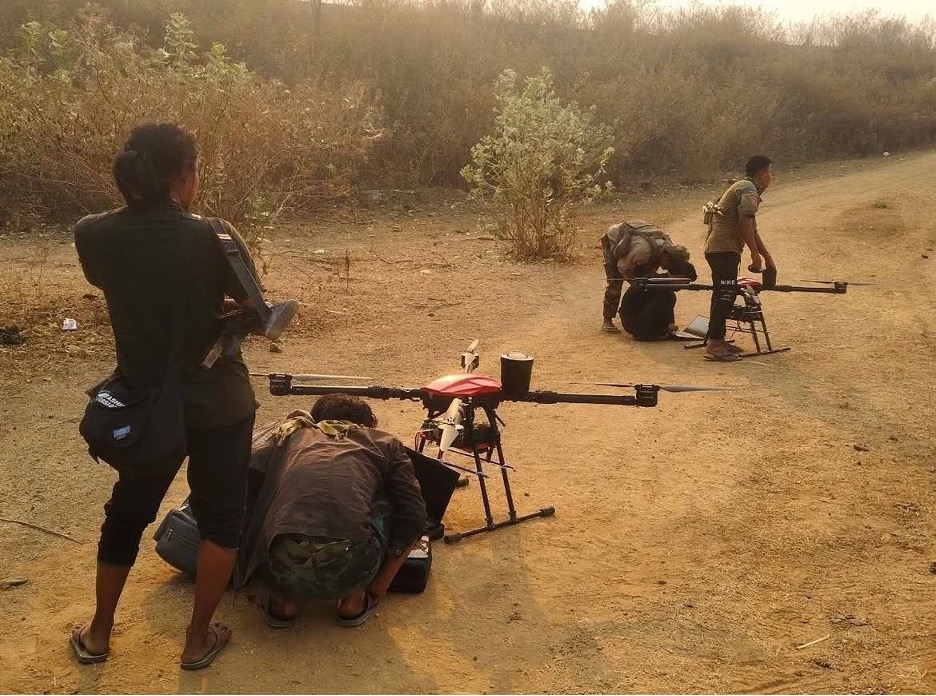
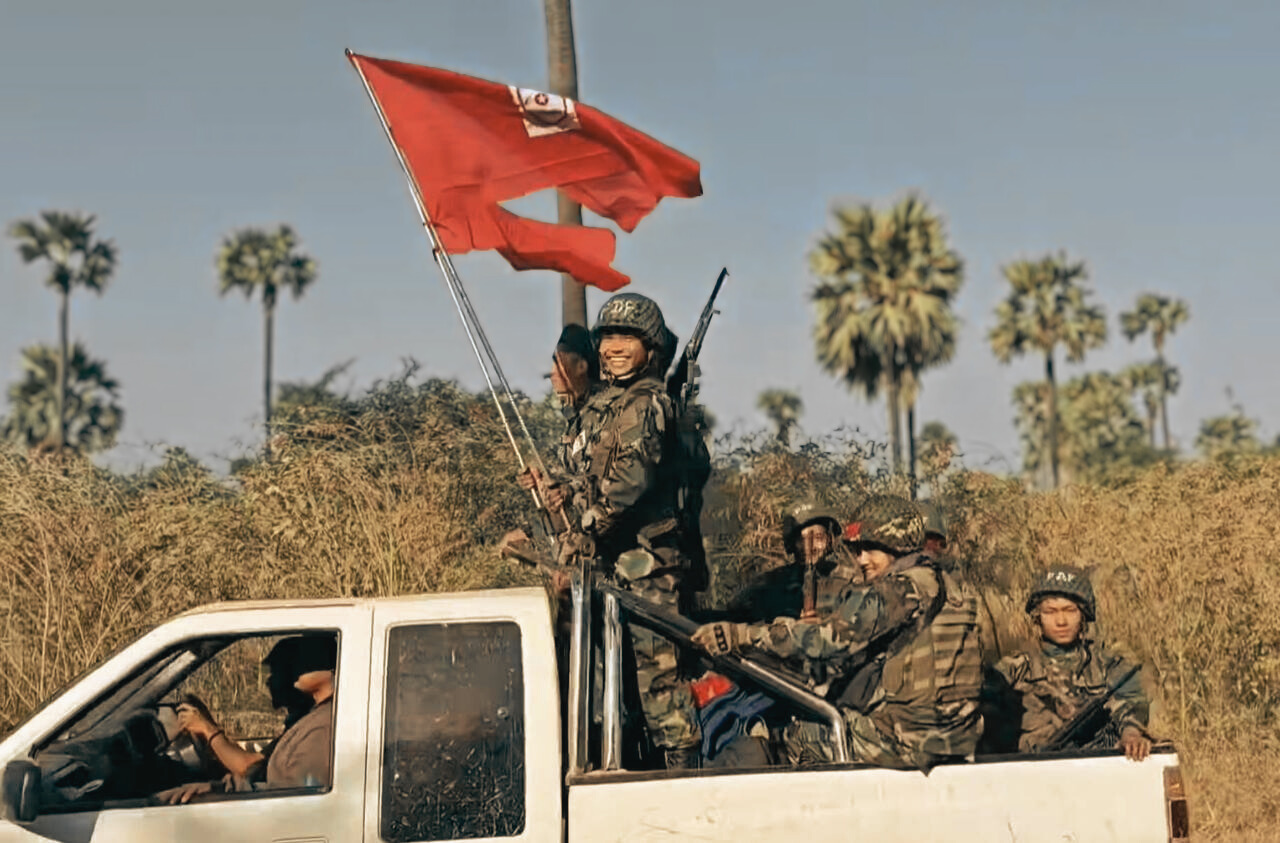
    Resistance Fighters in Central Burma (Photo: Thanlwin Myanmar Media)

    The recent diplomacy between the United States and China should serve as a wake-up call — particularly for many of Myanmar’s institutionalised political and civil society elites who continue interpreting the country’s crisis through outdated frameworks rooted mainly in identity politics, symbolic advocacy and old political binaries. Myanmar’s conflict has already evolved into something far more complex: a hyper-modern war economy shaped by trade survival, logistics control and technological integration. The battlefield today is no longer determined only by ideology or ethnicity. Increasingly, it is shaped by who controls trade routes, financial circulation, resource corridors, and technological infrastructure. Across Myanmar’s conflict landscape, from EAO and PDF to Pyu-Saw-Htee militias, BGF and the Tatmadaw, the survival and influence of armed actors ultimately depend on their ability to contest and control these key sources.

    A quick examination of the conflict reveals that control over ammunition, medicine, fuel, internet access and food supplies is just as important as control over territory. None of these essentials can be sustained without functioning financial and trade networks operating across multiple levels—from northern Shan to Mandalay and from central Burma to the country’s western frontier. Without these systems, territorial control remains nominal rather than substantive.

    This explains why some of the fiercest battles are fought not merely over symbolic locations but over strategic trade corridors, logistical hubs and resource-rich areas. In contemporary conflicts, authority is measured not only by who holds territory, but by who can govern, supply, finance and connect it. The ability to sustain economic and administrative systems ultimately determines whether military control can be translated into durable political authority. To put it simply, modern revolutions are not won through political narratives alone. They are won through the capacity to govern, mobilise resources and maintain functioning systems that sustain both resistance and society.

    Border Gateways and Resource Corridors

    The fighting across northern Shan, Karen, Kachin, Chin and the borderlands adjoining Thailand, India and China is deeply intertwined with the control of customs gates and cross-border trade routes. Whoever controls these gateways controls taxation, revenue generation and ultimately, political authority. The recent developments in Kutkai illustrate this reality. The MNDAA reportedly moved against its long-standing ally, the TNLA and dismantled the latter’s administrative presence in the town. Kutkai is not merely a military objective; it sits on the strategic trade corridor linking Mandalay, Muse and China.

    The significance of such locations lies in their economic value. Trade flows through these corridors generate substantial revenues that finance administrative structures, public services and military operations. Whether under the control of ethnic armed organisations, resistance actors, or the junta, these revenues provide the resources necessary to sustain governance and project power. In many respects, the struggle for border crossings and trade routes is as consequential as the struggle for territory itself.

    Similarly, many conflict zones overlap directly with strategic resource corridors linked to rare earth mining, crude oil and other critical minerals. The struggle over China-bound supply chains, Thailand-linked trade networks, India-linked illicit economies and extractive zones is not accidental. For example, fierce contestation across Kachin State is closely tied to access to rare earth mining areas that supply China’s high-tech and renewable energy industries. According to Global Witness, Myanmar’s heavy rare earth trade was worth approximately US$1.4 billion in 2023, while exports of heavy rare earth oxides to China more than doubled from 19,500 tonnes in 2021 to 41,700 tonnes in 2023.

    A similar pattern can be observed in central Burma. Recent research by the Centre for Ah Nyar Studies highlights how contestation over oil and gas infrastructure in Magway has become increasingly intertwined with emerging governance arrangements. Petroleum fields, transport routes, taxation systems and local administrative mechanisms have become sites of competition between revolutionary actors and the junta.  Likewise, competition over jade, gold, timber and border trade routes has long shaped the political economy of conflict in northern Myanmar, while battles around key crossings in Karen and Shan States remain inseparable from the revenues generated through formal and informal cross-border commerce. In many cases, the real strategic value lies not in the land being contested, but in the economic infrastructure that runs through it.

    The Digital Frontline

    Ethnic resistance movements have been among the greatest beneficiaries of Generation Z’s efforts to digitalise the revolution, from the use of drones on the battlefield to the mobilisation of financial resources. Like it or not, the Spring Revolution has fundamentally digitised Myanmar’s conflict. At the same time, digital infrastructure has become more critical than ever for the resistance movement, governance and, most importantly, the functioning of the emerging economy in resistance-held areas. Adding to this, Myanmar’s formal banking system has been severely weakened by militarisation, state surveillance, sanctions pressure, economic decline and repeated systemic disruptions. As confidence in formal financial institutions has eroded, communities have increasingly turned to mobile wallets, crypto-linked transfers, informal hundi networks and other decentralised financial mechanisms. Diaspora remittances, humanitarian assistance, procurement financing and even battlefield logistics now flow through hybrid financial ecosystems involving USDT, encrypted communication platforms, digital payment channels and cross-border transfer networks. In many respects, resistance financing has evolved beyond conventional fundraising models. It increasingly resembles a decentralised wartime fintech system, capable of moving resources across borders, circumventing state controls and sustaining both governance and resistance activities in contested territories.

    Likewise, connectivity is increasingly moving beyond the reach of state control. Satellite internet systems such as Starlink enable communities to bypass internet shutdowns, communication blackouts and state surveillance mechanisms. Across Ah Nyar, particularly among displaced populations, connectivity is no longer simply a matter of communication. It has become a critical enabler of education, emergency coordination, access to healthcare, financial inclusion, documentation of human rights abuses and maintaining social ties under wartime conditions. More importantly, connectivity enhances resilience. Communities with access to the outside world are better able to mobilise resources, share information, access services and maintain links with diaspora networks. In this sense, digital connectivity functions as both social infrastructure and a form of civilian protection. A connected village is not only better informed; it is also harder to isolate, intimidate, or control psychologically and politically.

    Beyond Symbolic Politics

    This does not mean that questions of ethnicity, discrimination, gender inequality, or historical injustice have disappeared. They remain deeply embedded in Myanmar’s social and political fabric. Yet much of the country’s political discourse continues to approach these issues through frameworks of representation and recognition inherited from previous decades, often overlooking the profound transformation of the material conditions that shape people’s lives.

    For millions living under protracted conflict, the struggle is increasingly about access rather than symbolism. Access to essential supplies, including energy and finance, has become as consequential as access to political representation itself. Communities are not merely demanding a seat at the table; they are seeking the capabilities necessary to survive, adapt and shape their own futures.

    Beyond symbolic politics, Myanmar’s future will be shaped not only by political settlements, military outcomes, or constitutional arrangements, but by whether emerging systems can genuinely expand human capability. Despite all the discussions about trade corridors, digital finance, AI, drones, crypto systems and geopolitical competition, the central question should never be forgotten: How can human beings live with dignity, safety, and opportunity under rapidly changing realities? Access to education, healthcare, connectivity, finance, energy and security increasingly determines whether people can build meaningful lives. Ultimately, the success of any revolution should be measured not by the power it accumulates, but by the opportunities and dignity it creates for ordinary people.

    Let Pan Ni is an independent researcher specialising in the social dynamics of Myanmar’s central dry zone (Ah Nyar). Her research focuses on bridging the gap between realities on the ground and international policy frameworks.

    The views and analyses presented in this commentary are solely those of the author and do not necessarily reflect the positions of the Centre for Ah Nyar Studies.
    Cite this Article: Centre for Ah Nyar Studies, (2026, June 10). “Myanmar’s Conflict Is No Longer a 20th-Century Revolution”. Op-ed, Centre for Ah Nyar Studies. https://ah-nyarstudies.org/myanmars-conflict-is-no-longer-a-20th-century-revolution/
  • ကုန်သွယ်ရေးလမ်းကြောင်းကြီးများပေါ်က အာဏာအားပြိုင်မှုများ နှင့် အညာဒေသ၏ စားနပ်ရိက္ခာ

    ကုန်သွယ်ရေးလမ်းကြောင်းကြီးများပေါ်က အာဏာအားပြိုင်မှုများ နှင့် အညာဒေသ၏ စားနပ်ရိက္ခာ

    ကုန်သွယ်ရေးလမ်းကြောင်းကြီးများပေါ်က အာဏာအားပြိုင်မှုများ နှင့် အညာဒေသ၏ စားနပ်ရိက္ခာ

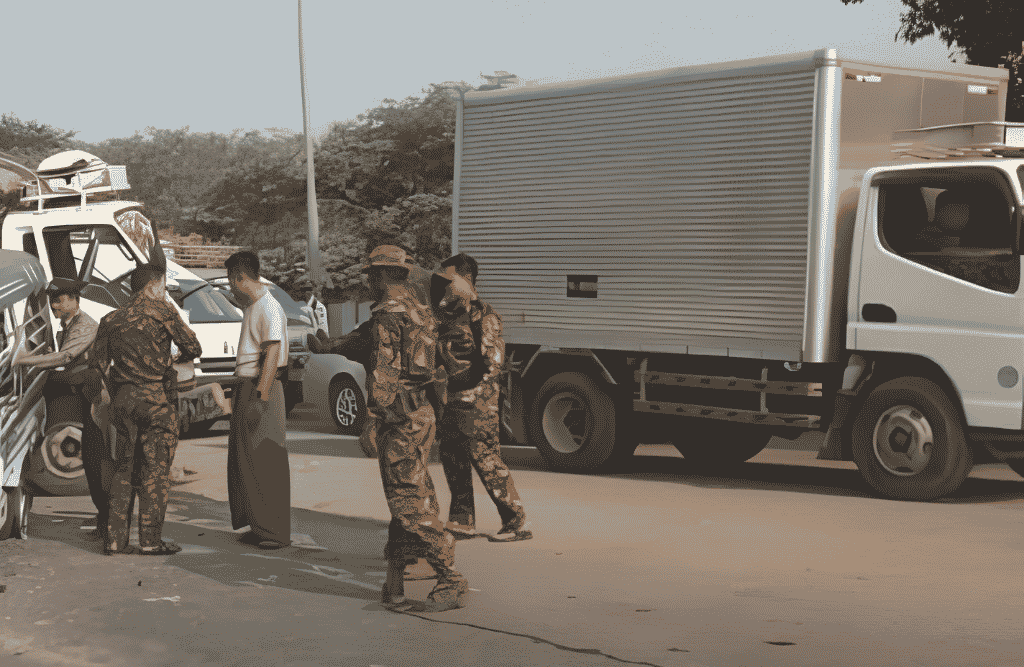
    Soldiers at the Checkpoints in Sagaing (Photo: Mizzima)

    စားနပ်ရိက္ခာ အချုပ်အခြာအာဏာ (Food Sovereignty) ဆိုသည်မှာ အနှစ်သာရအားဖြင့် လူထု၏ မွေးရာပါ အခွင့်အရေးပင် ဖြစ်သည်။ မိမိဒေသ၏ အရင်းအမြစ်များကို မိမိတို့ကိုယ်တိုင် ပါဝင်စီမံ ခန့်ခွဲခွင့် ရရှိမှသာလျှင် ပဋိပက္ခကာလအတွင်း ကြံ့ကြံ့ခံနိုင်ရည် ရှိပေမည်။ ထို့အတူရေရှည်တွင်လည်း ပိုမို ကောင်းမွန်ခိုင်မာသော လူမှုစီးပွားစနစ်ကို တည်ဆောက်နိုင်မည် ဖြစ်သည်။ လူထု၏ ဤအခွင့်အရေးကို အနိမ့်ဆုံးစံအဖြစ် အသိအမှတ်ပြုခြင်းဖြင့်သာလျှင် စားနပ်ရိက္ခာဖူလုံရေး မဟာဗျူဟာသည် အမျိုးသားလုံခြုံရေးအစီအစဉ်တစ်ခုဖြစ်လာပေမည်။ ဒီကနေ့ ကမ္ဘာ့နိုင်ငံရေး အခင်းအကျင်းကို စေ့ငုကြည့်လျှင် နိုင်ငံရေး နှင့် စစ်ရေး၊ စစ်ရေး နှင့် စီးပွားရေး စသည်ဖြင့် ဒွေးရောယှက်တင် အခြေအနေများမှာ လင်းလင်းထင်ထင်ဖြစ်လာသည်ကို သတင်းစာဖတ်သူတိုင်း မြင်နေရသည်။ စစ်ပွဲသည် အာဏာနိုင်ငံရေးမျှသာမဟုတ်၊ နေ့တဓူဝကုန်ဈေးနှုန်းအတက်အကျလည်း ဖြစ်ပေသည်။ စစ်ပွဲသည်ဒေသ၊ နိုင်ငံများ၏ စီးပွားရေးလည်းဖြစ်သကဲ့သို့ မိသားစုများ နှင့် လူတစ်ဦးချင်းစီ၏ စားဝတ်နေရေးလည်း ဖြစ်နေပေသည်။ ကြိုက်သည်ဖြစ်စေ၊ မကြိုက်သည် ဖြစ်စေ ထိုကျော့ကွင်းမှ လူထုက ရုန်းထွက်ရန် ခက်သည်ထက် ခက်သည်။

    စစ်ကိုင်းမှာတော့ ပွင့်လင်းရာသီစစ်ဆင်ရေးများ၏ နေ့တဓူဝ အနိဋ္ဌာရုံများကို စစ်မြေပြင်မှ လူထုက ကြောကော့နေအောင် ခံနေရသည်။ မိုးလေကင်းလွတ်၍ ကောင်းကင်သေမင်းတမန် ဗုံးကျဲလေယာဉ်ပျံများမှာလည်း တံခါးမရှိ၊ ဓါးမရှိ ပျံဝဲ၊ ပတ်ကျဲလို့နေသည်။ အာဏာသိမ်းစစ်တပ်မှာလည်း တရားဝင်လူသတ်လိုင်စင်ရထားသည့်နှယ်။ ပို၍ပင် ဆိုးရွား ပြင်းထန်လွန်းသည်မှာ လူထု၏ စားရေရိက္ခာ အခြေခံအဆောက်အဦနှင့် လမ်းကြောင်းများကို ပစ်မှတ်ထားတိုက်ခိုက်လာခြင်းပင်။ ဗုံးကျဲခံ၍ သေသူမှာ ချက်ခြင်းအသက်ထွက်ခွင့်ရ၍ ရှင်သန်ကျန်ရစ်သူများမှာ ငတ်ပြီးမှ သေကြလေဟူ၍များ စီမံထားလေသည်မသိ။ အာဏာသိမ်းစစ်ဗိုလ်ချုပ်များအပြင် အမိန့်ပေးစေခိုင်းသူများမှာ ၎င်းတို့၏ အဆိုပါလုပ်ရပ်သည် ယဉ်ကျေးသည့် လူသားကမ္ဘာက လက်သင့်ခံမထားသည့် စစ်ရာဇဝတ်မှုဖြစ်သည်ကို ဆင်ခြင်နိုင်စွမ်းမှ ရှိကြပါလေစ။ မည်သို့ပင်ဆိုစေ စစ်ကိုင်းက စစ်ပွဲအတွင်းလူထု၏ စားနပ်ရိက္ခာကို လက်လှမ်းမှီခွင့်၊ ရရှိပိုင်ခွင့်ကို လက်နက်တခုလိုကိုင်စွဲတိုက်ခိုက်ခြင်းကို ခံနေကြရသည်။

    ယခုကဲ့သို့ စားရေရိက္ခာ လက်လှမ်းမှီခွင့်နှင့် အစားအစာသယ်ယူရေးလမ်းကြောင်းများကို တိုက်ခိုက် ဖြတ်တောက်ခြင်းက အာဏာသိမ်းစစ်တပ်အတွက် အသစ်မဟုတ်ပေ။ အမြဲကျင့်သုံးနေကျ လမ်းဟောင်းကြီးပင်။

    စစ်ကိုင်းတိုင်းထဲကို ၀င်နိုင်၊ ထွက်နိုင်သော အဓိက လမ်းကြောင်းကြီး (၄) ခုရှိပါသည်။

    စစ်ကိုင်း၏အဓိက အသက်သွေးကြောဖြစ်သော တောင်ဘက်၀င်ပေါက် မန္တလေး–စစ်ကိုင်း လမ်းကြောင်းမှာ ပထမ။ ယင်းလမ်းကြောင်းမှာ အောက်မြန်မာပြည်နှင့် ရှမ်းပြည်၊ မန္တလေးဘက်မှ ကုန်စည်များ စီးဆင်းရာဖြစ်သည်။ ၂၀၂၅ မတ်လမှာ ဖြစ်ပွားခဲ့တဲ့ စစ်ကိုင်းငလျင်ကလည်း အဆိုပါလမ်းကြောင်းကို အကြီးအကျယ်ထိခိုက်ပျက်စီးစေသည်။ ငလျင်ကြောင့် ကျိုးပျက်သွားသော အဓိကမြစ်ကူးတံတားမှာ ရှိရင်းစွဲလူလုပ်အတားအဆီးများကို ထပ်ဆောင်း၍ ကုန်စည်စီးဆင်းမှုကို ပို၍ ပို၍ ခက်ခဲလာနေစေသည်။

    ဒုတိယလမ်းကြောင်းမှာ စစ်ကိုင်း၏ အနောက်ဘက်ခြမ်းဝင်ပေါက်ဖြစ်သည်။ ဒေသအခေါ် မုံရွာ-ဂန့်ဂေါ-ချင်းပြည်လမ်းကြောင်းဖြစ်သည်။ ထိုလမ်းကြောင်းမှာ ချင်းတွင်းမြစ်ဝှမ်းမှသည် ယောဒေသ ပုံတောင်ပုံညာ၊ ချင်းတောင်တန်းတို့ကို ဖြတ်၍ အိန္ဒိယနိုင်ငံအထိပေါက်သည်။ တော်လှန်ရေးတပ်များစိုးမိုးရာ စစ်ကိုင်းတိုင်းအနောက်ခြမ်းမှ ကျေးရွာများအတွက် အရေးပါသော လမ်းကြောင်းကြီးလည်းဖြစ်သည်။ ထိုလမ်းကြောင်းပေါ်ရှိ အချို့နေရာများတွင် အာဏာသိမ်းစစ်တပ်က နေရာယူထားနိုင်ဆဲဖြစ်သည်။ စခန်းတွင်းမှ အပြင်သို့မထွက်စေကာမူ ကုန်စည်စီးဆင်းမှုကို နှောင့်ယှက်ဟန့်တားနိုင်လောက်သော စိုးမိုးမှုတော့ ရှိနေသည်။ မြန်မာစစ်တပ်၏ သင်ရိုးညွှန်းတမ်းထဲမှ ဖြတ်လေးဖြတ်ဗျူဟာကို ကျင့်သုံး၍ ရနေသေးသည်။

    စစ်ဆေးရေး ဂိတ်များက ရိက္ခာသယ်ယူမှုကို “ဖြတ်လေးဖြတ်” စနစ်ဖြင့် တားဆီးခြင်းသည် မြေပြင်က ဝန်ဆောင်မှု ပေးနေသူများကို ဘေးကျပ်နံကျပ်ဖြစ်စေသည်မှာတော့ အမှန်ပင်။ အနိမ့်ဆုံး အဆင့်အနေဖြင့် အဟန့်အတား တစ်ခုချင်းစီတိုင်းသည် စားသုံးကုန်များ၏ ဈေးနှုန်းကို အပြောင်းအလဲဖြစ်စေသည်။ အာဏာသိမ်းစစ်တပ်အနေဖြင့် လူထုကို စားရေရိက္ခာ လက်လှမ်းမှီမှု မက်လုံးဖြင့် ဓားစာခံလုပ်ပြီး နိုင်ငံရေးအရ အလျှော့ပေးလာအောင် ဖိအားပေးသည့် နည်းလမ်းလည်း ဖြစ်နေသည်။

    ရွှေဘို-မြစ်ကြီးနားလမ်းကြောင်းမှာ တတိယ။ ရွှေဘို-ကျောက်မြောင်းမှတစ်ဆင့် ထီးချိုင့်၊ ကသာ၊ ဗန်းမော်မှသည် မြစ်ကြီးနားနှင့် လိုင်ဇာအထိ လမ်းကြောင်းပေါက်သည်။ တတိယလမ်းကြောင်းမှာ မန္တလေးတိုင်းအတွင်းရှိ တကောင်း၊ သပိတ်ကျင်းမြို့နယ်များနှင့်ပါ နယ်မြေအရထိစပ်နေခြင်းမှာ သူ၏ အရေးပါမှုကို လျော့တွက်၍ မရခြင်းပင်။ ထိုလမ်းကြောင်း၏ ဆုံချက်ဖြစ်သည့် ရွှေဘိုလွင်ပြင်မှာလည်း ဆန်အဓိကထွက်သောဒေသဖြစ်သည်။ ၎င်းကို ထိန်းချုပ်ခြင်းဖြင့် ဒေသတွင်း ဆန်ကို အပြင်မထွက်အောင် ပိတ်ဆို့နိုင်သည့် ဖဲချပ်တစ်ခု ရသွားစေသည်။ ထိုဖဲချပ်ကို နှစ်ဖက်ခေါင်းဆောင်များက ဗျူဟာကျကျကစားပြနေကြသည်။ ရိက္ခာစီးဆင်းမှုကို လက်နက်သဖွယ် အသုံးချ၍ အုပ်ချုပ်ရေးယန္တရားကို ပိတ်ဆို့ခြင်း သို့မဟုတ် အသစ်တည်ဆောက်ခြင်းတို့အတွက် ထိုဖဲချပ်မှာ အလွန်အသုံးဝင်ပုံရသည်။ ဆက်စပ်နယ်မြေ ကန့်ဘလူတွင် အာဏာသိမ်းစစ်တပ်၏ လက်တံတစ်ခုဖြစ်သည့် ဦးဝါသဝဦးစီးသော ပျူစောထီးတပ်များရှိနေသည်။ ပျူစောထီးအဖွဲ့များ မှတဆင့် စားရေရိက္ခာ စီးဆင်းမှု သာမကဘဲ ဒေသတွင်း အုပ်ချုပ်ရေးကိုပါ ထိန်းချုပ်ရန် ကြိုးစားနေသည်။ သတင်းရင်းမြစ်များ၏ အဆိုအရ ကန့်ဘလူ ခရိုင်အတွင်းရှိ ပျူစောထီးအင်အားမှာ ခန့်မှန်း ၃၀၀၀ ကျော်ရှိပြီး နေရာတော်တော်များများကို ဖြန့်ကျက်ထားသည်။

    အထက်ပါ လမ်းကြောင်းကြီးသုံးခုအပြင် နွေဦးတော်လှန်ရေးကာလမှ တွင်ကျယ်လာသော စစ်ကိုင်းလမ်းကြောင်းကြီးတစ်ခု ရှိနေသေးသည်။ အာဏာသိမ်းကာလ၏ ဗဟိုချက်မစင်္ကြံ လမ်းကြောင်းဟု ခေါ်ကြသည်။ ယင်းမာပင်၊ပုလဲ (စစ်ကိုင်း) ကနေစပြီး မြိုင် (မကွေး)၊ ထိုမှတဆင့် ဧရာဝတီမြစ်ကို ဖြတ်၍ မန္တလေးတိုင်း ပုဂံ၊ ညောင်ဦး သို့မဟုတ် တောင်သာ၊ မလှိုင် ဘက်မှတဆင့် ရှမ်းတောင်နှင့်ကရင်နီ (ကယား) အထိ စပ်သော လမ်းကြောင်းကြီးဖြစ်သည်။ အညာလွင်ပြင်တော်လှန်ရေးနယ်မှသည် ထိုင်း-မြန်မာနယ်စပ်အထိဟု ယျေဘုယျနားလည်နိုင်ပါသည်။ ဗဟိုချက်မစင်္ကြံလမ်းကြောင်းမှာ အညာလွင်ပြင်မှ တော်လှန်ရေးအင်အားစုနယ်မြေများနှင့် မြန်မာနိုင်ငံ တောင်ပိုင်းရှိ လူမျိုးစုတော်လှန်ရေးတပ်နယ်မြေများ အကြား ချိတ်ဆက်ထားသော လမ်းကြောင်းကြီးလည်း ဖြစ်သည်။ ရိက္ခာနှင့် ထောက်ပို့လမ်းကြောင်း (Supply line) ဟုလည်း နားလည်ကြသကဲ့သို့ မြောက်ပိုင်းစစ်ဆင်ရေးကာလအလွန်ဖြစ်သော ၂၀၂၄ နောက်ပိုင်း မူးယစ်ဆေး၀ါး သယ်ယူရေး လမ်းကြောင်းဟုလည်း ယူဆကြသည်။ ဗဟိုချက်မစင်္ကြံလမ်းကြောင်းမှ လမ်းကြောင်း (၁) ကဲ့သို့ပင် အာဏာသိမ်းစစ်တပ်နှင့် တော်လှန်ရေးအင်အားစုများအကြား ဘတစ်ပြန်၊ ကျားတစ်ပြန်စိုးမိုးကြသည့် ကျေးလက်၊ မြို့ပြနယ်မြေများကို ဖြတ်သန်းသွားသည့် လမ်းကြောင်းကြီး ဖြစ်သည်။ လမ်းကြောင်း (၂) နှင့် (၃) ထက်ပို၍ အားပြိုင်မှုများသည်။

    စစ်ပွဲကာလကြာရှည်လာသည်နှင့်အမျှ လက်နက်အင်အားလိုအပ်မှု၊ လူအင်အား လိုအပ်မှုများကြောင့် စစ်တပ်အပြင် တော်လှန်ရေးအင်အားစုများမှာလည်း ငွေကြေးလိုအပ်မှု မြင့်တက် လာသည်နှင့်အမျှ ရင်းမြစ်စဉ်းစားချက်များမှလည်း ပုံစံသစ်များကွဲထွက်လာခြင်း ဖြစ်နိုင်ပါသည်။ ဒေသတွင်းရှိ သယံဇာတအရင်းအမြစ်များ ထုတ်ယူရောင်းချခြင်းနှင့် မူးယစ်ဆေး သယ်ဆောင်ပေးခြင်းဖြင့် ရရှိသည့် ငွေကြေးအကျိုးအမြတ်များအပေါ် မှီခိုလာမှုမှာလည်း ၂၀၂၅ ခုနှစ်တွင် ပို၍ လင်းလင်းထင်ထင်ဖြစ်လာသည်။ ယိုစိမ့်ထွက်ကျလာသော ဒေသတွင်းသတင်း တင်ဆက်မှုများတဆင့်လည်း အဆိုပါအခြေအနေ၏ အတိမ်အနက်ကို တွက်ဆရန် သိပ်မခက်တော့ပေ။

    တချိန်တည်းမှာပဲ ဒေသတွင်းတွင် ပျံ့ကျဲနေသော လက်နက်ကိုင်တပ်များ စုစည်းနိုင်ရေး အားထုတ်မှုများကလည်း စစ်ကိုင်းမှာ အားကောင်းလာနေပြန်ပါသည်။  အကျိုးစီးပွားတူသည်ဟုယူဆကြသူ၊ အင်အားစုများအချင်းချင်း ဖက်ဒရယ်ဒီမိုကရေစီ တိမ်လွှာအောက်တွင် ပူးပေါင်းလာကြသည်များကို ခပ်စိပ်စိပ်တွေ့လာရသည်။ ၂၀၂၅ ခုနှစ်မှာတော့ နွေဦးတော်လှန်ရေးမဟာမိတ်တပ်ပေါင်းစု (SRA) ပေါ်ထွက်လာခြင်းက အများသိကြတဲ့ လက်နက်ကိုင်တပ်များ ပူးပေါင်းကြခြင်းပင်။ သို့သော် စစ်ကိုင်း၊ မကွေး တို့တွင် မြို့နယ် သို့မဟုတ် စစ်ဂွင်အလိုက် အလားတူပူးပေါင်းမှုမျိုးများလည်း များစွာရှိနေပါတယ်။

    စစ်ပွဲကာလအတွင်း လူထု၏ စားနပ်ရိက္ခာကို လက်လှမ်းမှီခွင့်နဲ့ပါတ်သက်၍ စေ့ငုမိသည့်အခါ အထက် ဖော်ပြပါ စစ်ကိုင်းလမ်းကြောင်းများပေါ်ရှိ စစ်ဆေးရေးဂိတ် (Checkpoints) များဟာ အရေးပါဆုံးဖြစ်နေသည်။ ၄င်းစစ်ဆေးရေးဂိတ်များသည် အာဏာသိမ်းစစ်တပ်သာမက တော်လှန်ရေးဘက်တော်သားများဘက်မှလည်း လုံခြုံရေးခေါင်းစဉ်အောက်မှ ဖွင့်ထားကြသည်။ အာဏာသိမ်းစစ်တပ်အနေဖြင့် စစ်ဆေးရေးဂိတ်များကို ခရီးသွားပြည်သူများထံမှ ငွေကြေးကောက်ခံ ခြင်းသက်သက်မျှသာမဟုတ်ဘဲ လူထုအပေါ် စိုးမိုးမှု နှင့် ၎င်းတို့က ပြည်သူများထက် ခေါင်းတစ်လုံးပိုမြင့်သည့်သဘောကို ရိုက်သွင်းနိုင်သည့် ဌာနအဖြစ်လည်း အသုံးပြုနေသည်။ ခရီးသွားပြည်သူများကို အမြဲတစေ ကားပေါ်မှ ဆင်းခိုင်းခြင်း၊ တန်းစီခိုင်းခြင်း နှင့် ဆီလိုအပေါက်ရှာ၍ စစ်ဆေးမေးမြန်းကြခြင်းပင်။ “မင်းတို့ရဲ့ လွတ်လပ်ခွင့်က ငါတို့လက်ထဲမှာရှိတယ်” ဆိုသည့် သတင်းစကားမျိုးကို နေ့စဉ်နှင့်အမျှ ပြည်သူလူထုထံသို့ ပါးနေသယောင်။ ဥပမာ ဂိတ်ရှိလူများက လက်နက်ကိုင်ထား၍ အခွန်ကောက်သူဖြစ်နေချိန်တွင်၊ ပြည်သူများက တောင်းပန်တိုးလျှိုးပြီး အခွန်ပေးရသူဖြစ်နေသော “အဆင့်အတန်းကွာဟချက်” ကို ဖန်တီးခြင်းပင်။

    အခြားတဖက် တော်လှန်‌ရေးအုပ်စုများမှ ဖွင့်ထားသော ဂိတ်များမှာတော့ သူ့နည်းသူ့ဟန်၊ သူ့စံနှုန်းများဖြင့် ကြေးတခုသတ်မှတ်၍ လည်ပတ်နေသည်။ ၂၀၂၃ နှစ်ဦးပိုင်း၊ NUG က ဒေသန္တရအုပ်ချုပ်ရေးကို ရပ်ရွာ/မြို့နယ်အဆင့်မှစတင်၍ အကောင် အထည်ဖော်လာရာမှစပြီး ဂိတ်ကြေး အနေဖြင့် အခွန်ကောက်ခံကြသည်။ ယေဘူယျ အားဖြင့် မြေပြင်လူထုသည် မိမိသဘော ဆန္ဒအရ တော်လှန်ရေး အင်အားစုများ ကောက်ယူသည့် အခွန်ငွေများကို လိုလိုချင်ချင် ပေးဆောင်ကြသည်ဟု နားလည်နိုင်ပါသည်။ သို့သော် ၂၀၂၄ခုနှစ် နှောင်းပိုင်းမှစ၍ ပိုမိုကြပ်တည်း လာသော နေ့စဥ်အခြေအနေများကြောင့် အပြောင်းအလဲများ စဖြစ်လာသည်။ လူထုမှ ဒေသအလိုက်မတူညီသည့် အခွန်နှုန်းထားများကို ဂိတ်ကြေးခေါင်းစဉ်ဖြင့် ပေးဆောင်နေရသည့်အပေါ် သက်ဆိုင်ရာဒေသန္တရ ခေါင်းဆောင်များ၊ တပ်ရင်းတပ်ဖွဲ့တာ၀န်ခံများနှင့် NUG ၏ ဝန်ကြီးဌာနများထံသို့ အရေးယူဆောင်ရွက်ပေးရန် တောင်းဆိုလာကြသည်။ ထိုမှတဆင့် ၂၀၂၆ ဖေဖော်၀ါရီလ ဆန်းပိုင်းတွင် NUG မှ တရား၀င်စာထုတ်၍ စစ်ကိုင်းတိုင်းအတွင်းရှိ ခရိုင် (၅)ခုတွင် ဂိတ်များကိစ္စ ဖြေရှင်းသည်။ ပြည်သူ့အုပ်ချုပ်ရေးအဖွဲ့များမှ တရား၀င်ခွင့်ပြုထားသော စစ်ဆေးရေးဂိတ်များမှ လွဲ၍ အခြား မည်သည့် စစ်ရေး သို့မဟုတ် ဒေသဆိုင်ရာအဖွဲ့အစည်းများမှ မိမိတို့သဘော အလျောက် ဖွင့်လှစ် ထားသော စစ်ဆေးရေးဂိတ်များ ပိတ်သိမ်းရန်နှင့် မည်သည့်အခွန်အခမျှ ကောက်ခံခြင်း မပြုရဆိုသည်ပင်။ ၄င်းဖြစ်စဥ်နှင့် နောက်ဆက်တွဲ အခြေအနေများကို သုံးသပ်ကြည့်လျှင်လည်း စစ်ဆေးရေးဂိတ်များ၏ အရေးပါမှုနှင့် ၄င်းတို့မှ တဆင့် လူတယောက် သို့မဟုတ် လူတစု၊ တဖွဲ့၏ အာဏာကို တည်တံ့စေ၊ ပိုမိုခိုင်မာစေသည့် အခင်းအကျင်းကိုလည်း တဖက်တလမ်းမှ အားထုတ်ဖန်တီးပေးနေကြောင်း မြင်ရသည်။ ထို့ပြင် ၄င်းစစ်ဆေး‌ရေး ဂိတ်များသည် အောက်ဖော်ပြပါ လူထုအပေါ်သက်ရောက်မှုများကိုလည်း တနည်းအားဖြင့် ဖန်တီးပေးနေပါသည်။

    ၁။ ကာယစိတ္တနှိပ်ကွပ်ကြခြင်း

    ဂိတ်များကို ဖြတ်သည့်အခါ ငွေပေးရရုံမျှသာမကဘဲ ကားပေါ်က ဆင်းခိုင်းတာ၊ တန်းစီခိုင်းတာ ဒါမှမဟုတ် စစ်ဆေးမေးမြန်းတာတွေက ခရီးသွားပြည်သူများအတွက် ကိုယ်စိတ်နှလုံး မချမ်းမြေ့စရာ။ ဂိတ်ရှိ လက်နက်ကိုင်ထားသည့် မည်သူမည်ဝါ မသိရသူများ၏ ပြုသမျှကို နုရသည့် ခရီးသွားပြည်သူများ၏ လမ်းမပေါ်က အတွေ့အကြုံများမှာ ခါးသီးလွန်းလှပါသည်။ မိအေးဘယ်နှခါနာမှန်းပင် မရေတွက်နိုင်တော့။

    ၂။ ခရီးဖင့်စေခြင်း

    အညာဒေသမှာ လယ်ယာထွက်ကုန်သာ မှီခိုရသည်။ သို့သော် ခေတ်မှီ processing facility များတော့မရှိ။ အခြောက်ခံစက်လည်းမရှိသကဲ့သို့ အအေးပေးစက်လည်းမရှိ။ သိုလှောင်ရုံမရှိ။ ထိုအခြေအနေတွင် ပုပ်သိုးလွယ်သော သီးနှံများကို သယ်ယူသည့်အခါ “အချိန်” က တန်ဖိုးဖြတ် အညွှန်းကိန်းဖြစ်သည်။ အချိန်ဆွဲထားခြင်း သို့မဟုတ် တစ်ကျောင်းတစ်ဂါထာ သတ်မှတ်ထားသည့် အခွန်အခများကို မပြေလည်မချင်း ပေးမဖြတ်ခြင်းက –

    • ကုန်သည်နှင့် တောင်သူများ၏ “ပိုင်ဆိုင်မှု” ကို ဖျက်ဆီးပစ်နိုင်တဲ့ အာဏာရှိကြောင်း ပြသခြင်းလည်းဖြစ်သည်။
    • စီးပွားရေးအရ အကျပ်ကိုင်ရုံမျှမကဘဲ လူထုကို “အကြောက်တရား”ဖြင့် အုပ်ချုပ်သည့် ပုံစံလည်း ဖြစ်သည်။

    ၃။ ပါးစပ်ဖျားက အခွန်နှုန်းထား (Arbitrary Pricing)

    ဂိတ်များတွင် အခွန်နှုန်းထား သို့မဟုတ် ဂိတ်ကြေးများမှာ ပုံသေကားချပ်မရှိခြင်း နှင့် ပွင့်လင်းမြင်သာမှုကင်းမဲ့ခြင်းက ပြည်သူများ၏ လူမှုစီးပွားဘဝကို ဝေးဝါးစေပါသည်။ လက်နက်ကိုင်ထားသူများ၏ ပါးစပ်ဖျားမှ စိတ်တိုင်းကျပြောင်းလဲနေသော နှုန်းထားများမှ အရာရာကို ခန့်မှန်းရ ခက်စေရုံမျှမက “အုပ်ချုပ်သူရဲ့ အလိုကျ” နေထိုင်ရမည်ဆိုသည့် သဘောကို ဆောင်ပါသည်။ ထိုအချက်ကြောင့်ပင် အခြေခံစားသောက်ကုန်နှင့် အခြားကုန်စည်များမှာ “ခင်ဦးမှာ တစ်ဈေး၊ ဒီပဲယင်းမှာ တစ်ဈေး” ဖြစ်နေခြင်းပင်။ စနစ်တကျမဟုတ်သော အာဏာပြမှုများကြောင့် ပို၍ ဆိုးဝါးသွားခြင်းပင်။

    သို့ဖြစ်ပါ၍ စစ်ကိုင်းတိုင်းအတွင်းရှိ စစ်ဆေးရေးဂိတ်များတွင် အခွန်ကောက်ခံခြင်းသည် ဘဏ္ဍာငွေရှာ ဖွေခြင်းထက် လူထု၏ နေ့စဉ်ဘဝ၊ သွားလာ လှုပ်ရှားမှုနှင့် စားဝတ်နေရေးကို အကြွင်းမဲ့ ထိန်းချုပ်ထား ကြောင်း ပြသသည့် ‘အာဏာပြကွက်’ (Performative Power) ပင် ဖြစ်သည်။ ဤစနစ်က အညာဒေသ ၏ စားနပ်ရိက္ခာကွင်းဆက်ကို လက်နက်သဖွယ် အသုံးချကာ လူထုကို စီးပွားရေးအရရော စိတ်ပိုင်းဆိုင် ရာအရပါ ဒူးထောက်လာအောင် ဖန်တီးနေခြင်း ဖြစ်သည်။

    ထို့ကြောင့် အညာဒေသ၏ စစ်ပွဲများအတွင်း လူထု၏ ကြံ့ကြံ့ခံနိုင်မှုအကြောင်း  ဆွေးနွေးကြသည့်အခါ စာရေရိက္ခာဖူလုံရေးသည် ဝမ်းဝရုံမျှမဟုတ် လူတစ်ဦးချင်းစီ၏ မွေးရာပါအခွင့်အရေးလည်းဖြစ်သည်။ လူမှုအဖွဲ့အစည်းတစ်ခု တည်ငြိမ်ဖို့ (Social Stability) အတွက် အခြေခံအကျဆုံး အချက်ဖြစ်သည်။ ဤတွင် Dignity of Agency ဆိုသောစကားရပ်နှင့် အတွေးအမြင်ကို မြေပြင်လူထုကြားမှာ ပိုမိုမြင်သာ လာအောင်၊ သိရှိနားလည်လာအောင် ကျယ်ကျယ်ပြန့်ပြန့် ဆွေးနွေးကြဖို့လိုအပ်လာပြီဟု ထင်မြင်ယူဆမိပါသည်။ စစ်ပွဲထဲမှ လူထုသည် အကူအညီကို တစ်ဖက်သတ်စောင့်နေရသူများ (Passive Recipients) မဟုတ်။ မိမိတို့ ကံကြမ္မာကို မိမိတို့ အစိုးရသော “ကိုယ်တိုင်ဆုံးဖြတ်နိုင်ခွင့်ရှိသူ” (Active Agents) များဖြစ်သည်။  ထိုသဘောတရားကို နှလုံးသွင်း၍ ပံ့ပိုးကူညီမှုအစီအစဉ်များ လုပ်ကြမှသာ ထိခိုက်လွယ်သော လူထုအတွင်း ရေရှည်ဖွံ့ဖြိုးတိုးတက်မှုကို အထောက်အကူပြုနိုင်မည်ဖြစ်သည်။

    နောက်ထပ်တချက်က Agency over Survival။ မိမိတို့ဒေသတွင် စိုက်ပျိုး၊ထုတ်လုပ်၊ ထွက်ရှိသော စားနပ်ရိက္ခာကို စီမံခန့်ခွဲနိုင်မှသာ လူတစ်ဦးချင်းစီ၏ ဂုဏ်သိက္ခာနှင့် ရှင်သန်မှုကို အာမခံချက် ပေးနိုင်မည်ဖြစ်သည်။ ထိုနှစ်ချက်ကို တွက်ဆ၍ ဒေသတွင်း ရင်းမြစ်များကို မြေပြင်လူထုက ကိုယ်တိုင်စီမံစေနိုင်သော အခင်းအကျင်းမျိုး ဖန်တီးပေးမှသာ “မြေပြင်လူထုကြံ့ကြံ့ခံနိုင်စွမ်း” (Grassroots Resilience) ဖြစ်တည်လာမည်ဟု အဆိုပြုချင်ပါသည်။ ၎င်းသည် ကုန်စည်စီးဆင်းမှု လမ်းကြောင်းများကို ခေါင်းစဉ်ပေါင်းစုံအောက်မှ ပိတ်ဆို့ဖြတ်တောက်နေသော အာဏာသိမ်းစစ်တပ်၏ အန္တရာယ်ပေးနိုင်ချေကို လျော့ချရာရောက်နိုင်ပါသည်။

    ထို့ပြင် ကြံ့ကြံ့ခံနိုင်စွမ်းမှ ရေရှည်ရပ်တည်ရေးဆီသို့ (From Resilience to Sustainability) ဆိုသည့် ချဥ်းကပ်မှု ပုံသဏ္ဍန်ဖြင့် စီမံချက်များကို အကောင်အထည်ဖော်ကြသင့်ပေသည်။ သို့မှသာလျှင် ဒီနေ့ ရှင်သန်မှုပထမ စဉ်းစားချက်မှသည် အနာဂတ်တွင် ပိုကောင်းသော လူမှုဘဝကို တည်ဆောက် လာနိုင်ရန်အတွက် အခွင့်အလမ်းနှင့်အခွင့်အရေးများကို လူထုက လက်လှမ်းမှီလာနိုင်မည်ဖြစ်သည်။ သို့မှသာ လူမှုအဖွဲ့အစည်း အသီးသီးက လူသားလုံခြုံရေးဆိုင်ရာအခွင့်အရေးကို ခံစားရယူပိုင်ခွင့် ရှိလာနိုင်ပါသည်။ ဤနေရာတွင် အမျိုးသားလုံခြုံရေးစဉ်းစားချက်တွင် နယ်မြေလုံခြုံရေးထက် လူသားလုံခြုံရေးမှာ ပို၍ အဓိကကျကြောင်း ဒေသခေါင်းဆောင်များသတိမူသင့်ပါသည်။ လူထုတွင် မိမိရင်းမြစ်ကို စီမံခွင့်ရှိမှသာ အမျိုးသားလုံခြုံရေးမှာ အနှစ်သာရ ရှိမည်။ ထိုသို့မဟုတ်ဘဲ အပေါ်ယံ အာဏာပြ ထိန်းချုပ်ထားမှုများသည် တကယ့်လုံခြုံရေးမဟုတ် ဆိုသည်ကိုလည်း ဒေသခေါင်းဆောင်များ ကျင့်သုံးလာစေချင်မိပါသည်။ ထိုမှတဆင့် ဒေသခေါင်းဆောင်များကို မေးခွန်းထုတ်စရာတစ်ခုက အနာဂတ် ဖက်ဒရယ်စနစ် တည်ဆောက်ရေးတွင် စားနပ်ရိက္ခာ လုံခြုံမှုကို ယူနစ်အဆင့် အခြေခံဥပဒေများတွင် မည်သို့ထည့်သွင်း စဉ်းစားကြမည်နည်း ဆိုသည်ပင်။

    နိဂုံးချုပ်အနေဖြင့် အညာဒေသ၏ စစ်ပွဲကာလအတွင်းဆက်လက် ကြံ့ကြံ့ခံနိုင်စေရေးနှင့် ရေရှည်တည်တံ့နိုင်မည့် အခြေ အနေတစ်ရပ်ကို ဖော်ဆောင်ကြသည့်အခါ အောက်ဖော်ပြပါ အခြေအနေ (၃) ရပ်ကို ဒေသဆိုင်ရာ စီမံ အုပ်ချုပ်ရေးတာ၀န်ရှိသူများအနေနှင့် အလေးဂရုပြုစေလိုကြောင်း လေးလေးနက်နက် တိုက်တွန်း လိုက်ရပါသည်။

    ၁။ ပကတိအခြေအနေကို အခြေခံသော ပြုလွယ်၊ ပြင်လွယ် စီမံအုပ်ချုပ်မှုစနစ် (Adaptive Governance)

    အညာဒေသရဲ့ ပကတိအခြေအနေက ပဋိပက္ခနဲ့ ရာသီဥတုဒဏ်ကြောင့် အမြဲတမ်း ပြောင်းလဲနေတာပါ။ ဒါကြောင့် အခြေခံဥပဒေမှာ ပြဋ္ဌာန်းတဲ့အခါ ပုံသေကားချပ် မဟုတ်ဘဲ –

    • အရေးပေါ်အခြေအနေတွေမှာ ရိက္ခာစီးဆင်းမှုကို ချက်ချင်း လမ်းဖွင့်ပေးနိုင်မယ့် “Emergency Food Corridors” ဆိုင်ရာ ပြဋ္ဌာန်းချက်များ။
    • ဒေသအလိုက် ပြောင်းလဲနေတဲ့ ဈေးနှုန်းနဲ့ လိုအပ်ချက်အပေါ် မူတည်ပြီး မူဝါဒကို ညှိနှိုင်းနိုင်တဲ့ “Flexible Implementation” စနစ်တွေကို ထည့်သွင်းစဉ်းစားဖို့ လိုပါတယ်။

    ၂။ တရားဝင်မှုနှင့် ပြည်သူလူထုအကြား ထားရှိရမည့် အပြန်အလှန် လူမှုကတိကဝတ်များ (Legitimacy & Social Contract)

    ယူနစ်အခြေခံဥပဒေတွင် စားနပ်ရိက္ခာကို လက်လှမ်းမှီမှုဟာ လူထုရဲ့ရပိုင်ခွင့်၊ အခွင့်အရေးတရပ်အနေဖြင့် ဖော်‌ဆောင်ကြဖို့လိုပါသည်။ လူထုကိုယ်တိုင်က “ဒါဟာ ငါတို့ရဲ့ အခွင့်အရေး၊ ငါတို့ရဲ့ ရင်းမြစ်” လို့ ခံယူနိုင်ဖို့ အရေးကြီးပါတယ်။ ပဋိပက္ခကြားမှပင် တတ်နိုင်သမျှ

    • အခွန်ကောက်ခံမှုနှင့် ရင်းမြစ်ခွဲဝေမှုများမှာ ဒေသခံတောင်သူများ၊ ကုန်သည်တများနှင့်လူထုကိုယ် စားလှယ်များ၏ အသံကို တရားဝင် ထည့်သွင်းစဉ်းစားရမည့် လုပ်ထုံးလုပ်နည်းများ။
    • လမ်းကြောင်းတွေပေါ်က ဂိတ်များ သို့မဟုတ် အခွန်စနစ်များကို တရားနည်းလမ်းကျကျ စီမံခန့်ခွဲပြီး လူထုကို ပြန်လည် အစီရင်ခံရမည့် စနစ် စသည်တို့ကို ထည့်သွင်းစဥ်းစားထားကြဖို့ လိုအပ်ပါသည်။

    ၃။ ယူနစ်အခြေခံဥပဒေ၏ အခန်းကဏ္ဍ (Sub-national Constitutionalism)

    စားနပ်ရိက္ခာလုံခြုံမှုကို ဗဟိုကပဲ ချုပ်ကိုင်တာမျိုး မဟုတ်ဘဲ တိုင်းဒေသကြီးအဆင့်မှာ ပြဋ္ဌာန်းခြင်းအားဖြင့် အောက်ဖော်ပြပါ အကျိုးကျေးဇူးများကိုလည်း ကျွဲကူးရေပါ ရရှိနိုင်ပါသည်။

    • ဒေသိယအားကောင်းလာခြင်း။ အညာဒေသ၏ ထူးခြားသော စိုက်ပျိုးရေးနှင့် လောင်စာဆီ လိုအပ်ချက်များကို တိုက်ရိုက်ကိုင်တွယ်နိုင်သော ဥပဒေအာဏာ ရရှိလာခြင်း။
    • အခွင့်အရေးအကာအကွယ်ပေးခြင်း။ လူထု၏ မွေးရာပါ အခွင့်အရေးဖြစ်သည့် “မိမိရင်းမြစ်ကို မိမိစီမံခွင့်” ကို အကာအကွယ်ပေးထားသည့် ဥပဒေအကာအကွယ် (Legal Protection) တစ်ခု ဖြစ်လာခြင်း။
    • ရေရှည်ခံသော အချုပ်အခြာအာဏာပိုင်စိုးခြင်း။ ယခုကဲ့သို့ ခက်ခဲချိန်တွင် အရင်းအမြစ်များကို လူထုက ကိုယ်တိုင်စီမံ အုပ်ချုပ်တတ်သည့် အလေ့အကျင့် (Local Governance practices) များကို တည်ဆောက်ပေးမှသာ နောင်တချိန်တွင် ပိုမိုကောင်းမွန်သည့် ဖက်ဒရယ်စနစ် တည်ဆောက်ရာတွင် အခြေခံအုတ်မြစ် ဖြစ်လာပါမည်။

    လက်ပံနီသည် အညာဒေသ၏ လူမှုပတ်ဝန်းကျင်ဆိုင်ရာ အခြေအနေများကို အထူးပြုလေ့လာသည့် လွတ်လပ်သည့် သုတေသီတစ်ဦးဖြစ်သည်။ သူမ၏ သုတေသနများမှာ မြေပြင်၏ ပကတိ အခြေအနေများနှင့် နိုင်ငံတကာမူဝါဒရေးရာ မူဘောင်များအကြား ကွာဟမှုကို ချိတ်ဆက်ဖြည့်ဆည်း ပေးရန် အဓိထားသည်။

    ယခုသုံးသပ်ချက်ဆောင်းပါးတွင် ဖော်ပြထားသော အကြောင်းအရာများသည် စာရေးသူ၏ လွတ်လပ်သော အမြင်နှင့် သုံးသပ်ချက်များဖြစ်သည်။

  • အညာ၏ စားနပ်ရိက္ခာ အကျပ်အတည်း – ပဋိပက္ခနှင့် ရာသီဥတုဒဏ်ကြားမှ ပြိုလဲပျက်စီးနေသော ရှင်သန်ရေးလမ်းကြောင်းများ

    အညာ၏ စားနပ်ရိက္ခာ အကျပ်အတည်း – ပဋိပက္ခနှင့် ရာသီဥတုဒဏ်ကြားမှ ပြိုလဲပျက်စီးနေသော ရှင်သန်ရေးလမ်းကြောင်းများ

    အညာ၏ စားနပ်ရိက္ခာ အကျပ်အတည်း – ပဋိပက္ခနှင့် ရာသီဥတုဒဏ်ကြားမှ ပြိုလဲပျက်စီးနေသော ရှင်သန်ရေးလမ်းကြောင်းများ

    အညာဒေသသည် ယခင်က မြန်မာနိုင်ငံ၏ အဓိက စားနပ်ရိက္ခာထုတ်လုပ်ရေးဒေသ တစ်ခုဖြစ်ခဲ့ သော်လည်း ယနေ့အချိန်တွင် စားနပ်ရိက္ခာစနစ်များ၏ ဖွဲ့စည်းပုံဆိုင်ရာ ပျက်ယွင်းမှုကို ကြုံတွေ့နေ ရသည်။ ဤအကျပ်အတည်းသည် ယာယီဖြစ်ပေါ်သော ထုတ်လုပ်မှုလျော့ကျခြင်းမျိုးမဟုတ်ဘဲ ပဋိပက္ခ၊ ရာသီဥတုဖောက်ပြန်မှုနှင့် အရင်းအမြစ်များကို လက်နက်သဖွယ် အသုံးချခံရမှု (Weaponization of Resources) တို့ကြောင့် ဖြစ်ပေါ်လာသော ဖွဲ့စည်းပုံဆိုင်ရာပြိုလဲမှု (Structural Breakdown) ဖြစ်သည်။ တစ်ချိန်တည်းမှာပင် ၂၀၂၁ ခုနှစ် အာဏာသိမ်းချိန်မှစ၍ ဆက်တိုက်ဖြစ်နေသော ပစ်ခတ်တိုက်ခိုက်မှုများနှင့်အတူ ဒေသတွင်းနေရပ်စွန့်ခွာရသည့်လူဦးရေ (IDP) မှာလည်း တစ်နိုင်ငံလုံး အတိုင်းအတာဖြင့် အများဆုံးဖြစ်နေသည်။ ယခုနှစ် ဖေဖော်ဝါရီလအထိ စာရင်းများအရ စစ်ကိုင်းတိုင်း တစ်ခုတည်းမှာပင် IDP ဦးရေ (၁.၃) သန်းကျော်ရှိနေသည်။ မကွေးတွင် (၃) သိန်းနီးပါး နှင့် မန္တလေးတွင် (၁) သိန်းနီးပါး ရှိကြောင်း ကုလသမဂ္ဂ၏ စာရင်းများအရ သိရသည်။ အညာဒေသ စစ်ရှောင်များ၏ ယာယီတိမ်းရှောင်လိုက်၊ နေရပ်ပြန်လိုက်ဖြစ်နေသည့် သဘောသဘာဝကို ထည့်တွက်ပါက လက်တွေ့ တွင်မူ အဆိုပါကိန်းဂဏန်းများထက် အလွန်ပိုများမည်ဖြစ်သည်။ ထိုအခြေအနေတွင် စစ်ပွဲဒေသရှိ လူထု၏ ရှင်သန်ရေးအတွက် လူသားချင်စာနာမှု အကူအညီများ၏ အခန်းကဏ္ဍသည် လွန်စွာအရေးပါ နေသည်။ နိုင်ငံတကာ ရံပုံငွေလျော့ချလာမှုများရှိနေသော်လည်း စစ်ကိုင်း၊ မကွေး နှင့် မန္တလေး ဒေသများသို့ လူသားချင်းစာနာမှုအကူအညီများသည် အထိုက်အလျောက် စီးဆင်းနေသည် ကိုလည်း တွေ့ရသည်။

    လူသားချင်းစာနာမှုဆိုင်ရာ အရေးပေါ် အကူအညီများမှာ အမှန်တကယ်ထိခိုက်ခံစားနေရသူများထံသို့ လုံလောက်စွာ မရောက်ရှိနိုင်သည့် အနေအထားတွင် ရှိသည့်အရင်းအမြစ်များကို အလိုအပ်ဆုံး နေရာများသို့ ထိထိမိမိရောက်ရှိသွားနိုင်မှုမှာလည်း မေးခွန်းထုတ်စရာပင်။ အာဏာသိမ်းစစ်တပ်၏ ဆက်သွယ်ရေး ဖြတ်တောက်ထားမှု၊ လူသားချင်းစာနာမှု အကူအညီစီးဆင်းမှုကို တင်းကျပ်စွာ ပိတ်ဆို့ထားမှုအပြင် အကူအညီပေးရေးရပ်ဝန်းအပေါ်  ဥပဒေစည်းမျဉ်းများဖြင့် ဘောင်ခတ်တင်းကြပ် ထားမှု စသည်တို့ဖြင့် ဖိနှိပ်ထားသည့်အခြေအနေတွင် သမားရိုးကျ အကူအညီပေးရေး ဇာတ်ကောင်များမှာ ချောင်ပိတ်မိနေတော့သည်။ မြန်မာစစ်တပ်၏ အဖက်ဖက်မှ ပိတ်ဆို့၊ တင်းကြပ်မှုများကြားတွင် ၎င်းတို့မှာ ဒုက္ခရောက်နေသောလူထုထံ အကူအညီများ ထိထိမိမိ ရောက်ရှိနိုင်ရန် ကြံစဉ်ဆောင်ရွက်ခြင်းထက် ၎င်းတို့၏ ရပ်တည်ရှင်သန်ရေး ပထမစဉ်းစား၍ blanket approach များကို အသုံးပြုလာသည်။ အကူအညီလိုအပ်နေသူများ၊ အကူအညီ အမျိုးအစား တို့အပြင် အရေးကြီးသည့် ဒေသိယကွဲပြားမှုမျိုးစသည့် အခြေအနေ အသေးစိတ်များကို ရှည်ရှည် ဝေးဝေး စဉ်းစား မနေဘဲ အလုံးစုံခြုံငုံချည်းကပ် လိုက်ခြင်းမျိုးဖြစ်သည်။ ထိုသို့ အကူအညီပေးရေး မဟာဗျူဟာများသည် humanitarian efficiency အတွက် မေးခွန်းထုတ်စရာပင်။

    ဒေသိယပြုခြင်းမဟာဗျူဟာ (localisation) ကို အကူအညီပေးရေးရပ်ဝန်းမှ အသံကျယ်ကျယ်ဟစ်၍ လုပ်ဆောင်သော်လည်း အဆိုပါ လုပ်ဆောင်မှုများကိုယ်တိုင်က ဒုက္ခရောက်နေသောလူထုနှင့် ဝေးကွာနေဆဲဖြစ်သည်။ ထိခိုက်ခံစားရသူများ (တနည်းအားဖြင့် အကူအညီပေးရေးလုပ်ငန်းများ၏ အကျိုးခံစားခွင့်ရှိသူများ)မှာ ဒေသိယပြုခြင်းလှိုင်းတွင် ပါဝင်ခွင့်၊ အသံပြုခွင့် ရ၏၊ မရ၏ ဆိုသည်မှာ မေးခွန်းထုတ်စရာပင်။ စစ်မက်ပဋိပက္ခ ဖြစ်ပွားနေသော အခြေအနေတွင် အကူအညီပေးရေး ပိုက်လိုင်း၏ အပေါ်ပိုင်းဇာတ်ကောင်များရှိရာ အလယ်ဗဟိုချက်မသည် စစ်ပွဲအတွင်းမှ အနိဌာရုံများ၊ ရေခံမြေခံပြောင်းလဲနေမှုများ၊ စစ်ပွဲဒေသရှိ လူထု၏ ရုန်းကန်ရှင်သန်နေရမှုများအပါအဝင် ၎င်းတို့မည်သို့ တွေးခေါ်ကြသနည်းဆိုသည့် အခြေအနေအရပ်ရပ်များနှင့် ဝေးကွာနေတတ်ပါသည်။ မြန်မာနိုင်ငံ အကူအညီပေးရေးရပ်ဝန်း၏ ဗဟိုချက်မဖြစ်သည် ရန်ကုန်သည် စစ်ကိုင်းစစ်မြေပြင်တွင် စဉ်းစား လုပ်ဆောင်ကြသည်များနှင့် အတွေးကွာလွန်းမည်မှာ အံ့ဩစရာမဟုတ်ပါပေ။ ဤအခြေအနေတွင် ဒုက္ခရောက်နေသော လူထုအတွင်းရှိ အဖွဲ့အစည်းများမှ ဦးဆောင်သည့် အကူအညီပေးသည့်ပုံစံ ဖြစ်လာရန် မဟာဗျူဟာဆိုင်ရာ အပြောင်းအလဲများပြုလုပ်ရန် လိုအပ်နေ ပါသည်။

    စစ်ကိုင်းဒေသတွင် စားနပ်ရိက္ခာမလုံလောက်မှုကို တွန်းအားပေးနေသည့် အကြောင်းရင်းများ

    သမားရိုးကျ လူသားချင်းစာနာမှု အကူအညီများထက် မြေပြင်အခြေအနေနှင့် ကိုက်ညီသော၊ ဒေသခံများ ကိုယ်တိုင်ဦးဆောင်သော (Locally-led) ခံနိုင်ရည်ရှိသည့် စိုက်ပျိုးရေးပုံစံများသို့ အရေးပေါ် ကူးပြောင်းရန် လိုအပ်နေပါသည်။ အထူးသဖြင့် အညာဒေသ၏ လက်ရှိစားနပ်ရိက္ခာလိုအပ်ချက် အကျပ်အတည်း၏ အဓိကတွန်းအားများ (Drivers of Insecurity)မှာ

    • Weaponization of Water: ဆည်ရေပေးဝေမှုကို ထိန်းချုပ်၊ ပိတ်ပင်ထားခြင်းသည် နွေစပါးနှင့် ဆီထွက်သီးနှံ ထုတ်လုပ်မှုကို တိုက်ရိုက်ထိခိုက်စေပြီး တောင်သူများကို စားနပ်ရိက္ခာ လုံခြုံမှုမရှိတော့သည့် အခြေအနေသို့ တွန်းပို့နေသည်။
    • Climate & Geological Shocks: ပြင်းထန်သော အပူချိန်နှင့် မကြာသေးမီက လှုပ်ခတ်ခဲ့သော ငလျင်ဒဏ်ကြောင့် မြေသားများအက်ကွဲကာ စိုက်ပျိုးမြေနှင့် ရေအရင်းအမြစ်များ ပျက်စီးခဲ့ရသည်။
    • Contested Governance: အုပ်ချုပ်ရေးဆိုင်ရာ အားပြိုင်မှုများကြောင့် စိုက်ပျိုးရေး သွင်းအားစုနှင့် ဈေးကွက်ချိတ်ဆက်မှုများ ပြတ်တောက်နေသည်။

    လက်ရှိအခြေအနေအား ပို၍အသေးစိတ်ကြည့်သော်

    (က) တွက်ချက်ခန့်မှန်းရန် ခက်လာသော လယ်ယာစိုက်ပျိုးရေးလုပ်ငန်း

    ရွှေဘိုခရိုင်ကဲ့သို့ ဆည်မြောင်းများမှ ရေပေးဝေရေးစနစ်ရှိသည့် ဒေသများတွင်ပင် စပါးစိုက် တောင်သူများသည် ခါတိုင်းကဲ့သို့ တွက်ချက်၊ ခန့်မှန်း၍ ရင်းနှီးစိုက်ပျိုးရန် ခက်ခဲလာနေသည်။ ဒေသတွင်း မလုံခြုံမှုမှာ အဓိကအကြောင်းရင်းဖြစ်သော်လည်း သူ့ချည်းသက်သက်မဟုတ်ပေ။ ရေရရှိနိုင်မှု မသေချာခြင်း၊ ဓါတ်မြေဩဇာအပါအဝင် စိုက်ပျိုးရေး သွင်းအားစုဈေးနှုန်းများ မိုးပျံတက်သွားခြင်း နှင့်အတူ ထုတ်လုပ်မှုကုန်ကျစာရိတ် မြင့်တက်ခြင်းတို့မှာ ကြီးမားသော အကြောင်းတရားများဖြစ်သည်။ သွင်းအားစုဈေးနှုန်းများမှာ အလွန်မတည်မငြိမ်ဖြစ်နေပြီး မြို့နယ်၊ ကျေးရွာများ၏ လမ်းပန်းဆက်သွယ်ရေး အနေအထားပေါ်မူတည်၍ ဓါတ်မြေဩဇာဈေးနှုန်းမှာ အလွန်အမင်း ကွာခြားနေလေ့ရှိသည်။ ဥပမာ နယ်မြေချင်း သိပ်မဝေးလှသည့် ဒီပဲယင်းမြို့နယ် နှင့် ကန့်ဘလူမြို့နယ် တို့တွင် ဓါတ်မြေဩဇာ တစ်အိတ်ဈေးနှုန်းမှာ အနည်းဆုံး(၁၀၀၀၀) ကျပ် ကွာဟသည်။

    ထိုဝန်ထုပ်ဝန်ပိုးများနှင့် ဆုံးရှုံးနိုင်ချေများလွန်းသည့် အန္တရာယ်တို့ကို စပါးစိုက်တောင်သူများက ခါးစည်းခံရုံသာ။ သူတို့ကို ပခုံးကူထမ်းပေးမည့်သူ မရှိ။ အစိုးရ၏ အကူအညီ၊ အစိုးရမဟုတ်သော အဖွဲ့အစည်းများ၏ အကူအညီကို တောင်သူများ လက်လှမ်းမမှီ။ ထိုအခြေအနေမှာ လေထီးမပါဘဲ sky-diving လုပ်ရသည့် အခြေအနေနှင့် တူသည်။ မသေလျှင်တောင် ရမည့်ဒဏ်ရာမှာ ခြေကျိုး၊ လက်ပွန်းအဆင့်တော့ မဟုတ်ပါပေ။

    လယ်ကွင်းထဲက ထွက်သည့်နောက် ဈေးကွက်ကို မျှော်ပြန်သော်လည်း ရင်မောစရာ။ မုံရွာကဲ့သို့ ပဲမျိုးစုံနှင့် နှမ်းစသည့် ဆီထွက်သီးနှံများ အဓိက ထုတ်လုပ်ရေးဒေသများတွင်လည်း ကုန်သွယ်ရေး နှောင့်နှေးမှု၊ ရာသီဥတုပြောင်းလဲမှုနှင့် ဈေးကွက်မတည်ငြိမ်မှု တို့ကြောင့် တောင်သူများမှာ စိုက်ပျိုးရေး လုပ်ငန်းဝင်ငွေများ အကြီးအကျယ်လျော့နည်းလာနေသည်။ ထို့ပြင် အညာတစ်ခွင်တွင် လှည့်လည် မွှေနှောက် ဖျက်ဆီးနေသော အာဏာသိမ်းစစ်တပ်၏ စစ်ကြောင်းများကလည်း ကြုံလျှင်ကြုံသလို ရိပ်သိမ်းခါနီး သီးနှံများ သို့မဟုတ် ရိပ်သိမ်းပြီးသီးနှံများကို ဖျက်ဆီးသွားတတ်သေးသည်။ တစ်ချိန်တည်းမှာပင် ဒေသတွင်း နယ်မြေအားပြိုင်မှုနှင့်အတူ ကုန်သွယ်ရေးလမ်းမကြီးများ နှင့် ရွာချင်းဆက်လမ်းများတွင် ခရီးလမ်းသွားလာမှု လွယ်ကူမနေခြင်းတို့ကြောင့် လယ်ယာထွက်ကုန်များ အချိန်မှီတင်ပို့ရောင်းချနိုင်ရန် အခက်အခဲရှိနေသေးသည်။ နောက်ဆုံးတွင် ယင်းမာပင်ခရိုင် အပါအဝင် အညာခြောက်သွေ့ဒေသများတွင် လယ်သမားများသည် စိုက်ပျိုးဧက လျှော့ချခြင်း၊ ရာသီအလိုက် သီးနှံ စိုက်ပျိုးချိန်ရွှေ့ခြင်း သို့မဟုတ် မြေကိုအလွတ်ထားခြင်းစသည့် အန္တရာယ် ရှောင်ကြဉ်သည့် နည်းလမ်းများကို ကျင့်သုံးလာကြရရာ ဒေသတွင်း စားနပ်ရိက္ခာ ထုတ်လုပ်မှုပမာဏမှာ တဖြည်းဖြည်း နည်း၍ နည်း၍ လာနေသည်။

    (ခ) ရာသီဥတုပြောင်းလဲမှုများ အလွန်အကျွံဖြစ်ပေါ်လာခြင်းကြောင့် နောက်ဆက်တွဲအန္တရာယ် နှင့် ဆိုးကျိုးများ

    စစ်ကိုင်းတိုင်းဒေသကြီးသည် ရာသီဥတုပြောင်းလဲခြင်း၏‌ နောက်ဆက်တွဲပြဿနာကြောင့် မိုးခေါင်ခြင်း သို့မဟုတ် အချိန်အခါမဟုတ် မိုးရွာခြင်း၊ မိုးကြီးခြင်းများမှာ တနှစ်ထက်တနှစ် ပိုမိုပြင်းထန်လာနေသည်။  မထင်မှတ်သော ရေလွှမ်းမိုးမှုများကို တပြိုင်နက်ကြုံတွေ့နေရသည်။ ၂၀၂၃–၂၀၂၄ ခုနှစ်အတွင်း ယခင်က ရေလွှမ်းမိုးမှု မကြုံဖူးသောဒေသများဖြစ်သည့် ဒီပဲယင်း၊ ခင်ဦး၊၀က်လက်နှင့် အရာတော် မြို့နယ်များ အပါအဝင် လယ်ယာမြေများ ရေလွှမ်းမိုးခံရခြင်းသည် ရာသီအလိုက် (နွေ၊မိုး၊ဆောင်း) စပါးနှင့်သီးနှံများ အလှည့်ကျ စိုက်ပျိုးခြင်းအလေ့အထအပေါ်  တောင်သူများ၏ ယုံကြည်မှုကို ပိုမိုလျော့နည်း လာစေသည်။ တောင်သူများမှာ ကံကိုယုံ၍ ဆူးပုံမနင်းရဲ။ ထို့ပြင် ပဋိပက္ခဖြစ်စဥ်များ အထူးသဖြင့် စစ်ပွဲများ၊ စစ်ကောင်စီမှ စစ်ထိုးလာခြင်းများ၊ မြေပြင်တော်လှန်ရေးတပ်များမှ တိုက်ပွဲဖော်ခြင်းများနှင့် ဆက်စပ်သော ကန့်သတ်ချက်များနှင့် ပေါင်းစပ်လိုက်သောအခါ ရာသီဥတုမတည်ငြိမ်မှုသည် စိုက်ပျိုးရေးကို အားပြုရသည့် စစ်ကိုင်းတိုင်းလို ဒေသအတွင်း  ဆုံးရှုံးမှုများကို ပိုမိုပြင်းထန်စေသည်။

    (ဂ) မြေ၊ ရေနှင့် လှုပ်ရှားသွားလာခွင့်အပေါ် အာဏာပြိုင်ဆိုင်မှု

    ဆည်ရေပေး‌ဝေသည့် ရေလမ်းကြောင်း၊ ရေတံခါးများဖွင့်၊ ပိတ်ခြင်းစသည်တို့အား စစ်ကောင်စီမှ ၄င်းတို့၏ ဖြတ်လေးဖြတ်အစီအစဥ် တစိတ်တပိုင်းအနေဖြင့် အကြီးအကျယ်လုပ်သည်။ အထူးသဖြင့် နွေစပါးစိုက်သည့် အချိန်များတွင် ပစ်မှတ်ထား၍ လုပ်သည်။ ထိုအချက်က နွေစပါးစိုက်သည့် တောင်သူများအား စပါးစိုက်ရန် ရေသွင်းရမှု၊ ရေရရှိမှုတို့ကို အခက်အခဲဖြစ်စေသည်။

    ထို့ပြင် သယ်ယူပို့ဆောင်ရေး လမ်းကြောင်းများအား ပိတ်ဆို့ခြင်း၊ အထူးသဖြင့် တနေရာမှ အခြား တနေရာသို့ သွားရောက်ရာ လမ်းတွင် မြို့/ရွာ အ၀င်အထွက်ဂိတ်များတွင် ဝင်ရောက်ခွင့်သည် ဒေသဆိုင်ရာအဖွဲ့အစည်းများ (ပြည်သူ့အုပ်ချုပ်ရေးအဖွဲ့များ)နှင့် အခြားသောအာဏာ/လက်နက်များ လက်၀ယ်ရှိသည့် အဖွဲ့များအကြား ပြိုင်ဆိုင်မှုများပိုပြင်းထန်လာပြီး၊ ဂိတ်ကြေးကောက်ယူမှု များမှာလည်း ပိုမိုများပြားလာသည်။  ဤအခြေအနေသည် နေရာဒေသအလိုက် မတူညီပဲ တကျောင်းတဂါထာ၊ တရွာတပုဒ်ဆန်းဖြစ်နေကြခြင်းကလည်း လယ်သမားများအတွက် အရာရာကို ခန့်မှန်းရ ပိုခက်စေသည်။ စပါးနှင့် အခြားသီးနှံစျေးကွက်အတွက် အနှောင့်အယှက်ဖြစ်စေပါသည်။ ဥပမာ ကန့်ဘလူမြို့နယ်၏ အခြေအနေသည် အညာဒေသ၏ ပျက်စီးနေသော ဈေးကွက် ကို အထင်ရှားဆုံး သက်သေပြနေသည်။ နယ်မြေကပ်နေသည့် ခင်ဦးမြို့နယ်တွင် စပါးတင်း (၁၀၀) လျှင် (၅၇) သိန်းကျပ် ဈေးပေါက်နေချိန်၌ ကန့်ဘလူတွင် (၁၈) သိန်းခန့်သာ ရရှိခြင်းမှာ ပိုလျှံသော ထွက်ကုန်များကို အပြင်သို့ တင်ပို့နိုင်သည့် လမ်းကြောင်းများ ပိတ်ဆို့ခံထားရခြင်းကြောင့် ဖြစ်သည်။ တစ်ဖက်တွင် ရေနံတွင်းများ ပေါများသည့်နေရာခြင်းအတူတူ စက်သုံးဆီဈေးနှုန်းမှာ မုံရွာ(ဓာတ်ဆီတဂါလံ ၁၄၀၀၀ နှင့် ဒီဇယ်တဂါလံ ၁၃၀၀၀ကျပ်)ထက် ကန့်ဘလူ (ဒီဇယ်/ဓာတ်ဆီတဂါလံ ၂၀၀၀၀ကျပ်) တွင် ပိုပြီး မြင့်တက်နေခြင်း များကြောင့် တောင်သူများသည် အရှုံးနှင့် ရင်ဆိုင်နေရပြီး၊ ဤသည်မှာ စားနပ်ရိက္ခာ ထုတ်လုပ်သူများကိုယ်တိုင် ငတ်မွတ်ခေါင်းပါးမှု ဘေးအန္တရာယ်ဆီသို့ တွန်းပို့ခြင်းခံနေရသည့် အခြေအနေပင် ဖြစ်သည်။

    ထို့ကြောင့် လယ်သမားများ၏ စိုက်ပျိုးရေးဆုံးဖြတ်ချက်များသည် စိုက်ပျိုးရေးနည်းပညာအလား အလာထက် လုံခြုံရေးအခြေအနေသုံးသပ်ချက်အပေါ် ပိုမိုအခြေပြုလာကြရပါသည်။

    ထို့ကြောင့် လက်ရှိစစ်ကိုင်းတိုင်းသည် ပုံမှန်အရေးပေါ် စားနပ်ရိက္ခာအကူအညီ တစ်ခုတည်း ပံ့ပိုး ပေးရုံ၊ အရေးပေါ်ငွေသားပေး‌‌ဝေသည့်အစီအစဥ်များ ကူညီရုံနှင့်မလုံလောက်သည့် အနေအထား ဖြစ်ပါသည်။

    အရေးပေါ် စားနပ်ရိက္ခာအကူအညီသည် အထူးသဖြင့် နေရာပြောင်းရွှေ့ရသူ စစ်ရှောင်များနှင့် အလွန်အမင်း ထိခိုက်လွယ်သူအုပ်စုများ/အရေးပေါ်အကူအညီလိုအပ်နေသည့် အုပ်စုများအတွက် အရေးကြီးနေဆဲဖြစ်သော်လည်း၊ အဆက်မပြတ်ဖြစ်ပွားနေသော အကြမ်းဖက်မှုများနှင့် ထပ်တလဲလဲ ဖြစ်ပွားနေသော စစ်ပွဲအန္တရာယ်များကြောင့် တောင်သူအိမ်ထောင်စုများသည် အကျပ်အတည်းတစ်ခုမှ နောက်တစ်ခုသို့ ကူးပြောင်းချိန်တွင် ထုတ်လုပ်မှုစွမ်းအားစတင်ရန် ငွေကြေးအားဖြင့် ပြန်လည် နာလန်ထူနိုင်ခြင်း မရှိနိုင်တော့သည်ကလည်း အကြောင်းရင်းတရပ်ဖြစ်လာပါသည်။

    ထုတ်လုပ်မှုနှင့် ဝင်ငွေတည်ငြိမ်မှုကိုပံ့ပိုးပေးနိုင်ရန်နှင့်ဒေသအလိုက်စိန်ခေါ်မှုများအား ဖြေရှင်းနိုင်ရန် အမှန်တကယ်အကူအညီဖြစ်စေသည့် လိုက်လျောညီထွေသော ပံ့ပိုးကူညီမှု ပုံသဏ္ဍန်များမဟုတ်လျှင် စားနပ်ရိက္ခာအကူအညီသည် ပြန်လည်ထူထောင်ရေးအတွက် တံတားမဟုတ်ဘဲ အကြိမ်ကြိမ် အခါခါပေး‌ဝေနေရခြင်းဖြင့် အကူအညီရယူသူ လူထုအတွက်လည်း အမှီခိုခံ အခြေအနေ ဆီသို့ လုံးလုံးလျားလျား ကျရောက်သွားစေသည့် ဖြေရှင်းနည်းတစ်ရပ်အနေဖြင့်သာ ရှိနေပါသည်။

    ထို့ပြင် လက်ရှိ စစ်ကိုင်းတိုင်းတွင်၊ ၂၀၂၅ မတ်လအတွင်း လှုပ်ခတ်ခဲ့သော ငလျင်ဒဏ်ကြောင့် မြေသား များ အက်ကွဲကာ စိုက်ပျိုးမြေများ ပျက်စီးခဲ့ရုံသာမက၊ ဆည်ရေပေးဝေမှုမှာလည်း စစ်ကောင်စီမှ လုံးဝ ရပ်ဆိုင်းခံထားရခြင်း (Weaponization of water) ကြောင့် အညာဒေသ၏ အဓိက အသက်မွေးဝမ်း ကျောင်းဖြစ်သော နွေစပါးနှင့် ဆီထွက်သီးနှံစိုက်ခင်းများမှာ ဆက်လက်စိုက်ပျိုးရန်၊ ရှင်သန်ရန်လည်း လမ်းစပျောက်နေပါသည်။

    ဥပမာအားဖြင့်၊ ဆားလင်းကြီးမြို့နယ်၊ xxx ကျေးရွာတွင် ငလျင်ဒဏ်ကြောင့် မြေပဲခင်းများ တွင် မြေများအက်ကွဲပျက်စီးခဲ့ပြီး ကိုယ်ပိုင်ရေတွင်းမရှိသော တောင်သူများမှာ နွေသီးနှံစိုက်ပျိုးရန်ရေ အရင်းအမြစ် လုံးဝမရှိတော့ပါ။ အစဉ်အလာအရ အားကိုးခဲ့ရသော ဆည်ရေမှာလည်း ပိတ်ပင် ခံထားရသဖြင့် လယ်ယာစိုက်ပျိုးရေးအပြင်၊ ကျေးရွာနေလူထုများ သောက်ရေ၊ သုံးရေအတွက်ပင်လျှင် ရေတွင်းအသစ်များ တူးဖော်ရန်အတွက် ရေစုတ်စက်၊ ရေသွင်းပိုက်များ အရေးပေါ် လိုအပ်နေပါသည်။

    အလားတူ ချောင်းဦးမြို့နယ်၊ xxx ကျေးရွာအုပ်စု၊ xxx ကျေးရွာသည် ကုန်စည်စီးဆင်းသည့် အဓိကဆက်သွယ်ရေးလမ်းကြောင်းဖြစ်သည့် မုံရွာ-မန္တလေးလမ်းမကြီးနားတွင် တည်ရှိပြီး၊ လက်ရှိ လက်ပံတောင်းတောင်မှ ထွက်ရှိသည့် ကြေးနီသတ္တုရိုင်းများအား ၀မ်ပေါင်ကုမ္ပဏီမှ သယ်ယူရာတွင်  စစ်ကောင်စီတပ်များမှ ၄င်းတို့လုံခြုံရေးယာဥ်တန်းများနှင့် အလှည့်ကျပုံမှန် သယ်ယူပို့ဆောင် ပေးနေသည်ဖြစ်သောကြောင့် စစ်ကောင်စီတပ်များမှာ ၂၀၂၆ခုနှစ်၊ ဇန်န၀ါရီ လဆန်းပိုင်းမှ စတင်၍ xxx ကျေးရွာတွင် အထိုင်ချတပ်စွဲလာပါသည်။ သို့ဖြစ်ပါ၍ xxx ကျေးရွာရှိ လူဦးရေ ၁၃၈၀၊ အိမ်ထောင်စု (၇၀၀)ကျော်မှာ စစ်ကောင်စီတပ် လက်လှမ်းမမှီသည့် နေရာသို့ ရွေ့ပြောင်းရပါသည်။ ထိုသို့ ရွေ့ပြောင်းသည့် နေရာသစ်တွင် သောက်သုံးရေ ရရှိရန် အနည်းဆုံး (၃) မိုင်ခန့်‌ဝေးသော နေရာမှ ရေတွင်းသို့ သွားရောက်ခပ်ယူရပါသည်။ အကယ်၍ မသွားရောက်နိုင်သော သက်ကြီးရွယ်အိုနှင့် မသန်စွမ်း၊ က‌လေးသူငယ်များပြားသော အိမ်ထောင်စုများမှာ စားသုံးဆီ ငါးပိဿာ၀င် ပုံးနှင့် တပုံးလျှင် (၈၀၀) ကျပ် နှင့် သောက်သုံးရေအား ၀ယ်ယူသုံးစွဲနေရပါသည်။ ငလျင်ဒဏ်ကြောင့် ရေတွင်းများ ပျက်စီးခဲ့ရုံသာမက၊ ဝမ်ပေါင်ကြေးနီစီမံကိန်းနှင့် ကျေးရွာတွင်းရှိ “ကုမာရမျိုးဆက်” လူငယ်အဖွဲ့ကဲ့သို့သော ကိုယ်ထူကိုယ်ထ ရပ်ရွာကူညီရေးအဖွဲ့များမှ ပညာရေးနှင့် လူမှုရေးလုပ်ငန်းများ လုပ်ဆောင်နေရင်း အရေးပေါ်ကူညီရေး လုပ်ငန်းများကိုပါ ကူညီပေးနေသော်လည်း နည်းပညာနှင့် ငွေကြေးလက်လှမ်းမှီမှုမှာ အကန့်အသတ်ရှိနေဆဲဖြစ်ပါသည်။ လက်ရှိ အခြေအနေတွင် အညာလူထု အနေနှင့်အသက်ရှင်သန်ရေးအတွက် အခြေခံအကျဆုံးဖြစ်သော “ရေ”ကို အရေး ပေါ် ဦးစားပေး ဖြေရှင်းရန် လိုအပ်နေပြီး၊ ရေရရှိရေးသည် စားနပ်ရိကွာဖူလုံမှု တစိတ်တပိုင်းအတွက် အဓိကကျသည့်အခြေအနေဖြစ်ပါသည်။

    စစ်ကိုင်းတိုင်းအတွင်း၊ ယခုလက်ရှိအခြေအနေသည် အထက်ဖော်ပြပါအခြေအနေများကြောင့် စားနပ် ရိက္ခာဖူလုံရေးဆိုင်ရာ အခြေအနေအတွက် အထောက်အကူပြုစေသော ဒေသအခြေပြု၊ ပံ့ပိုးငွေ ပမာဏမများပြားသည့်၊ ရေတိုလတ်တလောလိုအပ်ချက်ကို ဖူလုံစေပြီး၊ ရေလတ်အစီအစဥ်များအား ချမှတ်နိုင်ရန် အခွင့်အလမ်းရှိသည့်  လိုက်လျောညီထွေ၊ မြေပြင်အခြေအနေအရ ပြုပြင် ပြောင်းလဲလွယ်သည့် အရေးပေါ်စီမံချက်များအား ပံ့ပိုးအကူအညီပေးခြင်းသည်သာလျှင် အသင့် တော်ဆုံးနှင့် ထိရောက်မှုအရှိဆုံး၊ လိုအပ်နေသည့် လူထုထံသို့ တိုက်ရိုက်အကူအညီ ရောက်ရှိစေနိုင် သည့် အစီအမံများဖြစ်ပါသည်။ ထို့ပြင် ထိုကဲ့သို့သော အကူအညီအသွင်သဏ္ဍန်များမှာ အရေးပေါ် အခြေအနေအား တုံ့ပြန်ဆောင်ရွက်နေရင်း၊ အချိန်မရွေး ကျရောက်နိုင်သည့် စစ်ကြောင်းထိုးမှုနှင့်
    စစ်ပွဲဖော်ဆောင်မှုအစရှိသည့်အန္တရာယ်များမှ ရှောင်လွှဲနိုင်စေမှုကိုပါ အထောက်အကူပြုစေပြီး၊ လူထု၏စားနပ်ရိက္ခာရရှိနိုင်မှုကို/လက်လှမ်းမှီစေနိုင်မှုကိုပါ ‌ရေရှည်တည်ငြိမ်/အကျိုးပြုစေနိုင်သည်။

    ဥပမာ ရွှေဘို သို့မဟုတ် ယင်းမာပင်ခရိုင်ရှိ ကျေးရွာများတွင်

    • စားနပ်ရိက္ခာမလုံလောက်မှုအား လူထုမှ အလုံးစုံ၊ တသက်တာ ခံစားစေရနိုင်သည့် အခြေအနေသို့ မရောက်မီ ပံ့ပိုးကူညီမှုများပေးနိုင်ခြင်း/ထောက်ပံ့နိုင်ခြင်း။
    • ပဋိပက္ခနှင့် ရာသီဥတုဖိအားအောက်တွင် လက်တွေ့အသုံးဝင်နေသည့် ယခင်ပုံမှန်ရိုးရာ လယ်ယာပုံစံများမှ ခွဲထွက်ထားသည့် မတူညီသည့် အခြားပုံစံအသစ်၊ ပဋိပက္ခကာလအတွင်း စားနပ်ရိကွာဖူလုံမှုအတွက် ချဥ်းကပ်မှု အသွင်သဏ္ဍန်အသစ်များကို လေ့လာနိုင်ခြင်း။
    • ယခင်ပုံမှန် လယ်ယာမြေစိုက်ပျိုးခြင်းအလေ့အထတို့နှင့် မတူကွဲပြားသော ပဋိပက္ခကာလ အတွင်း တိုးချဲ့အသုံးချနိုင်မည့် အထောက်အထားများကို ထုတ်လုပ်နိုင်ခြင်း စသည့် အကျိုးကျေးဇူးများ ကို ရရှိလာစေနိုင်ပါသည်။

    ထိုသို့ ‌ဒေသအခြေပြုစီမံချက်ဒီဇိုင်းများ ရေးဆွဲရာတွင်လည်း ပဋိပက္ခကာလအတွင်း ဖြစ်သောကြောင့် သိရှိလိုက်နာကျင့်သုံးရမည့် အခြေအနေများအားသတိပြုမှုရှိခြင်း၊ ပြောင်းလဲ နေသောရာသီဥတုနှင့် လိုက်လျောညီထွေဖြစ်ခြင်း၊ အလုပ်ပြီးမြောက်မှုထက်စာလျှင် အန္တရာယ် လျှော့ချရေးကို ဦးစားပေး ခြင်းနှင့် ဆောင်ရွက်ရမည့်လုပ်ငန်းစဥ်များအား ဒေသခံများမှသာ ဦးဆောင်မှုရှိစေခြင်းစသည့် အချက် အလက်များကိုသာ အခြေခံပြီးကျင့်သုံးပါမှသာ အဆင်ပြေနိုင်ပါမည်။

    ထိုသို့သော စီမံချက်အစီအစဥ်များအား ဆောင်ရွက်ရာတွင်လည်း စားနပ်ရိက္ခာထုတ်လုပ်မှု အမြင့်ဆုံး ရရှိရေး ထက်စာလျှင် မသေချာမှုနှင့် အချိန်မရွေးအန္တရာယ်ရှိစေသည့် အခြေအနေအောက်တွင် စားနပ် ရိက္ခာရရှိနိုင်မှု သို့မဟုတ် လက်လှမ်းမှီစေနိုင်မှု နှင့် တည်ငြိမ်မှုကိုသာ ဦးစားပေးသင့်ပါသည်။

    ရေရှည်တည်တံ့သောရလဒ်များ ရရှိရန်နှင့် အမှန်တကယ်အကျိုးဖြစ်ထွန်းစေရန် ဒေသခံများမှ သာဦးဆောင်သော၊ ၄င်းတို့ကိုယ်တိုင်သိရှိနားလည်ရေးဆွဲထားပြီး၊ဒေသခံအချင်းချင်းအကြား ချိတ် ဆက်ဆောင်ရွက်ကြသည့် အလေ့အထများရှိသည့် မြေပြင်ကွန်ယက်များကိုသာ ပိုမိုအားကောင်း လာစေရန် ပံ့ပိုးပေးစေရန်သာ လိုအပ်ပါသည်။ ပြင်ပပညာရှင်များ မရနိုင်သော လက်တွေ့အခြေအနေ သိမြင်မှုကို ဒေသခံအဖွဲ့များကသာ သိရှိနားလည် ကျွမ်းကျင်ထားကြပါသည်။

    သို့ဖြစ်ပါ၍ အညာဒေသရှိ စားနပ်ရိက္ခာမလုံလောက်မှုသည် ယာယီပြဿနာမဟုတ်တော့ဘဲ လူမှုအဖွဲ့အစည်း၏ စနစ်တည်ဆောက်ရေး၊ ဖွဲ့စည်းပုံဆိုင်ရာ အကျပ်အတည်းဖြစ်လာနေပါသည်။ မတူညီသော ဒေသအခြေအနနှင့် လူမှုစံနှုန်းများနှင့် ကိုက်ညီစွာ၊ ပဋိပက္ခကာလအတွင်း  အချိန်မရွေး အန္တရာယ် ကျရောက်နိုင်သည့် လုံခြုံးရေးအခြေအနေနှင့် လျော်ညီစွာ  ပြုလွယ်၊ ပြင်လွယ်ဖြစ်အောင် စနစ်တကျ ဒီဇိုင်းရေးဆွဲထားသော စီမံချက်များသည်သာ စစ်ကိုင်းတိုင်းအတွင်းရှိ လူထု၏ ပဋိပက္ခ ကာလအတွင်း အရေးပေါ်စားနပ်ရိကွာလိုအပ်ချက်ကို ဖြေရှင်းပေးနိုင်မည့်အပြင်  ရေရှည်အတွက် လူထု၏စားနပ်ရိက္ခာလက်လှမ်း‌မှီနိုင်မှုကိုပါ တည်ငြိမ်စေသည့် အစီအမံဖြစ်ပါသည်။ ထို့အပြင် လူထု၏ ဆက်လက်အသက်ရှင်သန်နိုင်ရေး၊ ပဋိပက္ခကာလအတွင်း ဆက်လက် ကြံ့ကြံ့ခံနိုင်ရေး အတွက် အသက်မွေးဝမ်းကျောင်းဆိုင်ရာအခွင့်အလမ်းများကိုပါ လက်လှမ်းမှီစေခြင်း သို့မဟုတ် စားနပ်ရိကွာ ဖူလုံနိုင်စေရန်အကာအကွယ်ပေးခြင်းနှင့် ရေရှည်တုံ့ပြန်ရေးအတွက် အစီအမံများ ချမှတ်နိုင်သည့် အခြေခံအချက်အလက်များအားလည်း  ပံ့ပိုးပေးနိုင်မည်ဖြစ်ပါသည်။

    အညာဒေသ၏ စားနပ်ရိက္ခာ အကျပ်အတည်းသည် ယာယီစိုးရိမ်မှု မဟုတ်တော့ဘဲ ဒေသတစ်ခုလုံး၏ ရှင်သန်ရေးနှင့်ဆိုင်သော ကိစ္စဖြစ်သည်။ မြေပြင်ရှိ အမှန်တကယ် လုပ်ဆောင်နေသော အဖွဲ့အစည်း များကို ယုံကြည်စွာဖြင့် တိုက်ရိုက်ပံ့ပိုးခြင်းကသာလျှင် အညာမြေ၏ စားနပ်ရိက္ခာစနစ် ပြိုလဲသွားခြင်း မှ ကာကွယ်နိုင်မည့် တစ်ခုတည်းသော နည်းလမ်းဖြစ်သည်။

    လက်ပံနီသည် အညာဒေသ၏ လူမှုပတ်ဝန်းကျင်ဆိုင်ရာ အခြေအနေများကို အထူးပြုလေ့လာသည့် လွတ်လပ်သည့် သုတေသီတစ်ဦးဖြစ်သည်။ သူမ၏ သုတေသနများမှာ မြေပြင်၏ ပကတိ အခြေအနေများနှင့် နိုင်ငံတကာမူဝါဒရေးရာ မူဘောင်များအကြား ကွာဟမှုကို ချိတ်ဆက်ဖြည့်ဆည်း ပေးရန် အဓိထားသည်။

    xxx ကျေးရွာအမည်များကို လုံခြုံရေးကြောင့် မဖော်ပြခြင်းဖြစ်ပါသည်။ ယခုသုံးသပ်ချက်ဆောင်းပါးတွင် ဖော်ပြထားသော အကြောင်းအရာများသည် စာရေးသူ၏ လွတ်လပ်သော အမြင်နှင့် သုံးသပ်ချက်များဖြစ်သည်။


  • Ah Nyar’s Big Questions in 2026: Where Are We Headed?

    Ah Nyar’s Big Questions in 2026: Where Are We Headed?

    Ah Nyar’s Big Questions in 2026: Where Are We Headed?

    Photo: Villagers from Pauk Township, Magway Region, fleeing their homes. (Credit: Khit Thit Media)

    Six years into Burma’s Spring Revolution, the political landscape is shifting once again and not always in ways the resistance had imagined. National Unity Government has declared a multi-stage reform process in response to escalating public frustration from its own support base. Questions about effectiveness, coordination, and accountability are no longer whispered concerns; they are openly debated online and across liberated areas. At the same time, Operation 1027 of the three Brotherhood Alliance (MNDAA, AA and TNLA) has effectively stalled. Beijing’s mounting pressure on the alliance has altered battlefield calculations and reminded all actors that geopolitics remains a determining force in Burma’s conflict. Adding to this fragile equation, the junta’s renewed push for general elections has been widely dismissed as a political manoeuvre rather than a genuine democratic transition. Labelled a “sham” by much of the international community, including ASEAN, the elections underscore the regime’s attempt to repackage military rule in civilian clothing. These events emerged as defining features of Burma’s political landscape in late 2025. Amid these developments, central Burma — known locally as Ah Nyar — has quietly become one of the most consequential political arenas of 2026.

    Sagaing, Mandalay and Magway have announced the formation of federal unit governments. This signals a significant shift from resistance mobilisation to sub-national political structuring. Since the coup d’état in 2021, the central dry zone has been more than a resistance stronghold; it has served as the backbone of the NUG’s de facto authority. The formation of federal unit governments was welcomed by the NUG, states and regional parliaments, and non-violent movement coalitions such as CDM and People’s Strike Groups. Somewhat unexpectedly, ethnic revolutionary organisations refrained from expressing their positions or formally acknowledging the establishment of the federal unit governments. NUG Acting President stated, “to establish a better system of governance for the Sagaing region” in his speech during the seventh regular meeting of Sagaing Federal Unit Hluttaw, introducing the cabinet.

    Federal Foundations or Parallel Power Centres?

    The newly emerged federal unit governments in Ah Nyar raise two fundamental questions. Are these sub-national governments creating parallel power centres? Or are they laying the foundations of a future federal union?

    The revolution may have achieved its immediate objective of removing the Naypyitaw regime over the past five years if the major groups had reached a consensus and formed a unified military alliance. However, it failed to bring smaller factions together under a coherent strategic direction. This means that the Spring Revolution has developed within a fragmented reality. That said, the reason why the federal units in central Burma emerged can generally be conceptualised in three ways. First, resistance forces in the region spread across villages and townships (around 87 townships), which makes collective actions challenging. Politically, the movement lacked a coherent central nucleus to provide unified strategic direction. In the past five years, the NUG has struggled to bring these dispersed forces under a coherent organisational framework. Second, a political foundation was already in place. The Federal Democracy Charter, NLD’s federal principles (Suu’s six principles) and the continuing legitimacy of 2020 elected MPs provided both normative and institutional grounding. Many of these MPs remained active in Ah Nyar and liberated areas. Taken together, these reinforce the case for formalised federal units. Third, perceived shortcomings of the NUG in Ah Nyar accelerated local initiatives. Weak coordination with emerging grassroots leaders, ineffective rebel governance and concerns over resource distribution contributed to demands for more autonomous regional structures.

    The federal units have formally recognised the NUG as the central authority of the revolution and the interim federal government. In military affairs, their mandate is limited to unit-level security forces to effectively function as unit guard forces, while PDFs remain under the existing NUG command. Section 139 of the Sagaing Constitution states, “The following armed forces may be established in consultation with the National Unity Government: (a) the Defence Force of the Unit; and (b) the Security Force/Police Force of the Unit.” Section 114 of the Magway Interim Arrangement reflects a similar provision, while the Mandalay Interim Arrangement does not mention any security arrangements. Foreign affairs are fully vested in the centre and reaffirm the NUG’s exclusive diplomatic role. Provisions in Chapter 17 of the Magway Interim Arrangement, Chapter 18 of the Sagaing Constitution, and Annexe I of the Mandalay Interim Arrangement outline power-sharing between the NUG and the units. However, the division of competency still requires careful negotiation.

    These developments could, in principle, reinforce the NUG rather than weaken it. Yet this outcome is not automatic. Critical conditions remain. Clear and durable understandings must be made, particularly on sensitive issues such as military coordination and foreign relations. The division of competencies between the centre and emerging federal units cannot be left ambiguous; it requires deliberate and structured negotiation. Given the political weight of these matters, authority must be exercised with restraint, caution, and strategic foresight.

    Governing Priorities?

    Sub-national governments are primarily functional in nature, widely described as mechanisms to deliver public services and coordinate with key stakeholders at the regional level. Their formation and structure are not unitary; rather, they are coalition-based. In Sagaing, the unit government comprises five representative blocs, while in both Magway and Mandalay, the respective unit governments are composed of seven representative blocs each. That said, and with the fragmented reality of the revolutionary landscape, the basic question arises. Can they truly make these governments work effectively? They must juggle competing priorities: confronting intensifying military pressure from the junta, navigating complex relationships with neighbouring ethnic organisations (KIO in Sagaing, AA in Magway, and TNLA/MNDAA in Mandalay) and sustaining alignment with the NUG and at the same time, building functioning sub-national governments.

    Within this reality, two priorities stand out for 2026.

    First, upper-layer political stability must be deliberately constructed. This requires stabilising the internal balance of power within the unit governments, particularly among the representative blocs, while also managing relationships with the NUG and neighbouring ethnic revolutionary organisations. Without cohesion at this level, effective governance on the ground will remain fragile and contested. To sustain this equilibrium, structured communication channels and agreed decision-making procedures must be institutionalised between representative blocs, the NUG, and neighbouring ethnic organisations. Clear mechanisms for dispute resolution should also be established to manage inevitable tensions before they escalate into political rifts. Without such frameworks, internal competition, mistrust, or overlapping claims to legitimacy will erode administrative effectiveness and weaken public confidence.

    Second, an administrative framework at the federal unit level must be clearly defined, not in rhetoric, but in practice. The 2020 electoral mandate and revolutionary legitimacy, while powerful, cannot by themselves sustain governance. Authority must be translated into systems. Federal units need functioning structures for administration, budgeting, taxation, public service delivery, dispute resolution, and coordination with security actors. Lines of authority must be codified. The boundaries between civilian leadership and armed forces must be clearly drawn. Without institutional discipline, coalition-based governments risk becoming symbolic rather than functional. Equally important is a smooth and orderly transition from the NUG’s Ministry of Home Affairs and Immigration administration to the emerging sub-national governments. This transition is not merely technical; it is political.

    The success of Ah Nyar’s sub-national governments will depend less on how broadly they are composed and more on how effectively they are structured and managed.

    Cite this article: Centre for Ah Nyar Studies. (2026, February 15). Ah Nyar’s Big Questions in 2026: Where Are We Headed? [Op-ed]. Centre for Ah Nyar Studies. https://ah-nyarstudies.org/ah-nyars-big-questions-in-2026-where-are-we-headed/ 

  • အညာကို လျှော့တွက်ခဲ့ခြင်း အမှား

    အညာကို လျှော့တွက်ခဲ့ခြင်း အမှား

    အညာကိုလျှော့တွက်ခဲ့ခြင်း အမှား

    မြန်မာ့နွေဦးတော်လှန်ရေး ၅နှစ်ပြည့်ပါတော့မည်။ ကချင်ခေါင်းဆောင်တစ်ဦး ပြောခဲ့ဖူးသည့် “တော်လှန်ရေးတစ်ခုက ၅နှစ်ထက်ပိုမကြာသင့်ဘူး” ဆိုသည့် စကားကို ပြန်လည် သတိရမိသည်။ ထိုအတိုင်းဆို နွေဦးတော်လှန်ရေး အဆုံးသတ်ခါနီးနေပြီလား။ သို့မဟုတ် လက်ရှိကြုံတွေ့နေရသည့်အရာတွေကရော ဘာတွေပါလဲ။

    စစ်တပ်၏ အပ်ကြောင်းထပ် နိုင်ငံရေးကစားကွက်အတိုင်း မြန်မာစစ်တပ်က အသွင်ကူးပြောင်းမည့် နိုင်ငံရေးလမ်းကြောင်းကို စတင် ပုံဖော်နေခဲ့ပြီဖြစ်သည်။ မြန်မာနိုင်ငံအလယ်ပိုင်း (ဒေသအခေါ် အညာ) တစ်ဝိုက်နှင့် တိုင်းရင်းသားဒေသရှိနယ်မြေများကို စစ်တပ်၏ စစ်ဆင်ရေးဗျူဟာ နှင့်အတူ ရွေးကောက်ပွဲ အကောင်အထည်ဖော်ရန် ကြိုးပမ်းလျက်ရှိသည်။ ဥပမာ-စစ်ကိုင်း ကလေး-ကဘော်ဒေသ၊ ဟားခါး (ချင်းပြည်နယ်) ၊ ပေါက်၊ ကျောက်ထု (မကွေး)၊ မင်းတပ် (ချင်းပြည်နယ်)၊ မတ္တရာ၊ မိုးကုတ် (မန္တလေး)နှင့် ရွှေဘို (စစ်ကိုင်း) စသည့် နေရာအနှံ့အပြားတွင် စစ်ဆင်ရေးများ လုပ်ဆောင်လာသည်။ တချို့နယ်မြေများကို အာဏာသိမ်းစစ်တပ်က ပြန်လည်နေရာယူထားပြီဖြစ်သည်။ အာဏာသိမ်းစစ်တပ်က နိုင်ငံ၏ အရှေ့ပိုင်းမှသည် အနောက်ပိုင်းဒေသနယ်မြေများအထိ တော်လှန်ရေးတပ်ဖွဲ့များ၏ ထောက်ပံ့ရေးလမ်းကြောင်းများကို ဖြတ်တောက်ရန် လုပ်ဆောင်လျက်ရှိပြီး အဓိက စစ်ဆင်ရေးများအတွက် ပြင်ဆင်လျက်ရှိသည်။

    ၂၀၂၃ခုနှစ် နောက်ပိုင်းနှင့် ၂၀၂၄ ခုနှစ် အခြေအနေများကို ပြန်ကြည့်ပါက အာဏာသိမ်းစစ်တပ်အတွက် လုံးဝ အထိနာခဲ့သည်။ စစ်လက်နက်ပစ္စည်းထုတ်လုပ်ရေးစက်ရုံများ တည်ရှိရာ မြန်မာနိုင်ငံအလယ်ပိုင်း တွင်ပင် ထိုကဲ့သို့စစ်ဆင်ရေးများ လုပ်နိုင်ရန် ကျန်ခဲ့သောနှစ်ဆန်းကအထိ မျှော်လင့်ဝံ့မည်မဟုတ်ပေ။ ထိုသို့ဆိုလျှင် ယခုအခြေအနေက ဘာကြောင့်ဖြစ်လာပါသနည်း။

    မည်သို့သောအချက်အလက်များကစစ်အာဏာရှင်ကိုစစ်ဆင်ရေးလုပ်ဆောင်ရန်တွန်းအားဖြစ်စေခဲ့သနည်း။ နိုင်ငံရေးလေ့လာသုံးသပ်သူ အချို့က စစ်ဆင်ရေးများတွင် စစ်မှုထမ်းအင်အား အများအပြားသုံးစွဲလာခြင်း နှင့် တရုတ်၏ ကြားဝင်စေ့စပ်ညှိနှိုင်းသည့်ကိစ္စရပ်များကို ပြောဆိုကြသည်။ အခြားရော ဘာတွေရှိနေနိုင်သနည်း။ မိမိတို့ကတော့ အမျိုးသားညီညွတ်ရေးအစိုးရနှင့် တိုင်းရင်းသားတော်လှန်ရေးတပ်များအနေဖြင့် ၎င်းတို့၏ မဟာဗျူဟာဆိုင်ရာ တွက်ချက်မှုထဲတွင် အညာကို လျှော့တွက်ခဲ့ခြင်းကြောင့်ဟု သုံးသပ်ချင်ပါသည်။

    အညာက ဘာကြောင့်အရေးကြီးတာလဲ

    စစ်တပ်သည် ၁၉၆၀ ကာလများဆီက ပြုလုပ်ခဲ့သော စစ်ဆင်ရေးကြီးများအပြီး မြန်မာနိုင်ငံအလယ်ပိုင်းကို မဟာဗျူဟာအရ ဘူမိနတ်သန်ဒေသ၊ တစ်နည်းအားဖြင့် “အဖြူရောင်နယ်မြေ” ဟု သတ်မှတ်ထားခဲ့သည်။ စစ်တပ်အမြင်အရ အညာကို ထိန်းချုပ်ထားခြင်းသည် နိုင်ငံတော်လုံခြုံရေး၊ ကွန်မြူနစ် နှင့် တိုင်းရင်းသားလက်နက်ကိုင် တော်လှန်ရေးများကို တားဆီးဖိနှိပ်ရန်အတွက် အရေးပါသည်။ ၂၀၂၁ခုနှစ် အာဏာသိမ်းပြီးနောက် စစ်တပ်၏အာဏာစက်ဝန်း ထိန်းချုပ်မှုအောက်မှလွတ်မြောက်ရန် လက်နက်ကိုင် တော်လှန်ရေးကြီး ထွက်ပေါ်လာနိုင်ခြေကိုမူ လျော့တွက်ထားခဲ့ပုံပင်။

    စစ်တပ်၏ အဖွဲ့အစည်းတည်ဆောက်ထားပုံနှင့် စစ်ရေးပြင်ဆင်မှုများသည် တောင်တန်းဒေသများရှိ ၎င်း၏ ရန်သူ တိုင်းရင်းသားတပ်ဖွဲ့များအား တိုက်ခိုက်ရန် အလေးထားဆောင်ရွက်ထားခြင်းဖြစ်ပြီး၊ အညာကို စစ်ရေးစမ်းသပ်ဧရိယာတစ်ခု အဖြစ်သာ ယေဘုယျ သတ်မှတ်ထားခြင်းဖြစ်သည်။ မကွေးတိုင်းတွင် အဓိကလက်နက်ထုတ်လုပ်ရေးစက်ရုံများ ရှိသည်။ တိုင်စစ်ဌာချုပ်များကို နယ်စပ်ဒေသများတစ်ကြော ထိန်းချုပ်ရန် ဖြန့်ကျက်ထားပြီး အလယ်ပိုင်းဒေသများရှိ တပ်မ အသီးသီးက ကျားကန်ပေးထားသည်။ ဒုတိယအချက်အနေဖြင့် မင်းအောင်လှိုင်က ဖီးနစ် တီဗီနှင့် အင်တာဗျူးတစ်ခုတွင် “ပြောရရင်တော့ဗျာ … ဟို ပြောရလို့ရှိရင်တော့ အဲလောက်ထိတော့များလိမ့်မယ်လို့ ကျွန်တော်မထင်ခဲ့ဘူး” ဟု ၂၀၂၁ ခုနှစ် အာဏာသိမ်းမှု ဆန့်ကျင်ရေးများနှင့်ပတ်သက်၍ ၎င်းအနေဖြင့် အတွက်အချက်မှားခဲ့ကြောင်း ဝန်ခံထားသည်။ ထိုအချက်က စစ်တပ်အနေနဲ့ မြန်မာနိုင်ငံအလယ်ပိုင်းတွင် လက်နက်ကိုင်တော်လှန်ရေး တစ်ရပ် ဖြစ်လာနိုင်ခြေကို အကြီးအကျယ် လျှော့တွက်ခဲ့ကြောင်း ထင်ရှားသည်။ အာဏာသိမ်းမှုအလွန် ၅နှစ်နီးပါးတွင် မြန်မာစစ်တပ်၏ ဗဟိုချက် ထိန်းချုပ်ရာ မြန်မာနိုင်ငံအလယ်ပိုင်း အညာမှာ စစ်တပ်၏ အဓိကနယ်မြေအများအပြား ဆုံးရှုံးနေခဲ့ပြီဖြစ်သည်။

    ထို့အပြင် အညာသည် နွေဦးတော်လှန်ရေး၏ ပြယုဂ်တစ်ခုဖြစ်လို့နေသည်။ အညာ လက်နက်ကိုင်တော်လှန်ရေးက နေပြည်တော်အာဏာအဆောက်အဦကို တိုက်ရိုက် ခြိမ်းခြောက်နေသည်။ တစ်နည်းအားဖြင့် အညာစစ်မျက်နှာသည် နိုင်ငံအနှံ့ လူမျိုးစုလွတ်မြောက်ရေး တော်လှန်တိုက်ပွဲများအတွက် အလှည့်အပြောင်း တစ်ခုလည်း ဖြစ်သည်။ စစ်တပ်၏ ဗဟိုအာဏာစက် ပျက်သုဥ်းနေကြောင်း အညာက မီးမောင်းထိုးပြနေသည်။

    နိုင်ငံရေးအရဆိုလျှင် အညာတော်လှန်ရေးအရွေ့ကို ဒေသတွင်းမြို့နယ်အသီးသီးရှိ မြေပြင်ခေါင်းဆောင်များက ဦးဆောင်နေဆဲဖြစ်သည်။ ဤအချက်က လူမျိုးစုနိုင်ငံရေး နှင့် အဝေးရောက် (ပြည်ပရောက်) နိုင်ငံရေးခေါင်းဆောင်မှုပုံစံများနှင့် ဆန့်ကျင်ဘက်ဖြစ်နေသည်။ လူမျိုးစုနိုင်ငံရေးဦးဆောင်မှုနှင့် အဝေးရောက်နိုင်ငံရေးဦးဆောင်မှု အခန်းကဏ္ဍတွင်ရှိသော ခေါင်းဆောင်အများစုမှာ မြန်မာနိုင်ငံသားမဟုတ်တော့သူများ (နိုင်ငံခြားသားများ) သို့မဟုတ် နိုင်ငံခြားတိုင်းပြည်တစ်ခုခုတွင် အမြဲတမ်းနေထိုင်ခွင့်ကတ်ကိုင်ဆောင်ထားသူများဖြစ်သည်။ အဓိပ္ပါယ်မှာ ခေါင်းဆောင်မှုသည် ထွက်ပေါက်သို့ ဦးတည်နေပြီး သို့မဟုတ် ၎င်းတို့နောက်လိုက်ငယ်သားများထက် အလွန်သာလွန်သော ပုဂ္ဂိုလ်ရေးလုံခြုံမှုအစီအမံများရှိထားပြီးဖြစ်သည်။ စစ်ဗိုလ်ချုပ်များ နှင့် ၎င်းတို့၏ နိုင်ငံရေးဘက်တော်သားများသည် ပြည်ပရောက် နိုင်ငံရေးသမားများ၊ အဖွဲ့အစည်းများ နှင့်ပတ်သက်၍ ကျွမ်းကျင်ပိုင်နိုင်စွာ ကိုယ်တွယ်ခဲ့သည့် နှစ်ရှည်အတွေ့အကြုံများရှိခဲ့သောကြောင့် ၎င်းတို့အတွက် ခေါင်းခဲစရာကိစ္စကြီးမဟုတ်ပေ။ ဆန့်ကျင်ဘက်အားဖြင့် ၁၉၈၈ ကာလများအလွန်ကတည်းက လူထုခေါင်းဆောင် ဒေါ်အောင်ဆန်းစုကြည်က မြန်မာပြည်တွင်းတွင် မြန်မာလူထုနှင့်အတူရှိနေခဲ့၊ ခေါင်းဆောင်မှုပေးနေခဲ့သည်။ ပို၍ အရေးကြီးသည်မှာ ဒေါ်အောင်ဆန်းစုကြည်သည် မြန်မာနိုင်ငံသား မှတ်ပုံတင်ကို မြဲမြဲကိုင်ထားဆဲပင်။ ထိုအချက်က စစ်ဗိုလ်ချုပ်များအတွက် အလွန်ကြီးမားသော ခြိမ်းခြောက်မှုဖြစ်သည်။ ထိုနောက်ခံအခြေအနေဖြင့် မှန်းဆကြည့်ပါက အညာဒေသမှ ပြည်တွင်းခေါင်းဆောင်မှု အားကောင်းလာခြင်းမှာ စစ်ဗိုလ်ချုပ်များအတွက် နိုင်ငံရေးအရ ခေါင်းကိုက် စရာ ဖြစ်လာပါတော့သည်။

    မတူညီသော ဦးစားပေးမှု၊ ကွဲပြားသော နည်းဗျူဟာ

    ပြီးခဲ့သည့် ၄နှစ်အတွင်း NUG သည် တိုင်းရင်းသားတော်လှန်ရေးတပ်များနှင့် ပူးတွဲ၍ စစ်ဆင်ရေးများဖော်ဆောင်ခြင်း နှင့် ဗဟိုအမိန့်ပေးကွပ်ကဲမှုတည်ဆောက်ခြင်းများကို ကြိုးပမ်းနေ ခဲ့သည်။ နွေဦးတော်လှန်ရေးတွင် အသစ်ဖွဲ့စည်းထားသော တော်လှန်ရေးတပ်များသည်လည်း ပုံစံတူနည်းကို လိုက်ခဲ့သည်။ တိုင်းရင်းသားလွတ်မြောက်နယ်မြေများတွင် ဦးစွာလေ့ကျင့်ပြီးမှ အလယ်ပိုင်းနှင့် အောက်ပိုင်းသို့ တဖြည်းဖြည်းရွေ့သည့်ဗျူဟာပင်။ ကနဦးတွင် ဗျူဟာအရ တူညီမှုများတွေ့ရသော်လည်း NUG၊ ERO နှင့် အသစ်ဖွဲ့စည်းထားသော တော်လှန်ရေးတပ်များအကြား ပူးပေါင်းဆောင်ရွက်မှုသည် အလွန်ကျဉ်းမြောင်းသောဘောင်တစ်ခုထဲတွင်သာ ရှိနေခဲ့ကြောင်းကို နောက်ပိုင်းတော့ ရှင်းရှင်းလင်းလင်းသိလာရသည်။ ကွဲပြားသော မဟာဗျူဟာများနှင့် မတူညီသော ဦးစားပေးမှုများကို မြင်တွေ့လာရသည်။

    ERO များက သူတို့၏ကိုယ်ပိုင်နယ်မြေများကို ခိုင်မာစေရန် ဒေသဆိုင်ရာဗျူဟာများကို အလယ်ပိုင်းဒေသ အင်အားစုများနှင့် ဗျူဟာအရချိတ်ဆက်ဆောင်ရွက်မှုထက် သူတို့၏ သြဇာလွှမ်းမိုးမှုကို အခိုင်အမာသေချာစေရေးနှင့် ချဲ့ထွင်ရေးတို့ကိုသာ အလေးထားပြီး လုပ်ဆောင်ခဲ့သည်။ မိမိတို့ဒေသတွင်း မဟာဗျူဟာများကို အလယ်ပိုင်းဒေသနှင့်ချိတ်ဆက်ရေးထက် ERO များက ၎င်းတို့၏ ကိုယ်ပိုင်နယ်မြေများကို ထိန်းချုပ်မှုအားကောင်းလာစေရန်နှင့် ၎င်းတို့၏ စစ်ရေး၊ နိုင်ငံရေးစိုးမိုးမှုကို ခိုင်မာစွာချဲ့ထွင်ရေးကိုသာ ဦးစားပေးနေခဲ့သည်။ အလားတူပင် NUG ဘက်မှာလည်း ERO များအပေါ် အလွန်အမင်းအားပြုပြီး အလယ်ပိုင်းဒေသကို အာရုံသိပ်မထားခဲ့ခြင်းကြောင့် အခွင့်အလမ်းကောင်းများ လွတ်သွားခဲ့သည်ပင်။ သေချာသည့်အချက်မှာ ဗဟိုကွပ်ကဲမှုတည်ဆောက်ခြင်း၊ ERO များနှင့် ပူးပေါင်းဆောင်ရွက်ခြင်းများသည် မျှော်လင့်ထားသည့်အတိုင်း ဖြစ်မလာသေး။

    သို့သော် အညာတော်လှန်ရေးအရွေ့သည် လက်လုပ်များနှင့် မြေမြှုပ်မိုင်းများမှတစ်ဆင့် ညှိနှိုင်း စစ်ဆင်ရေးများအထိ အဆင့်ဆင့် ကြီးထွားလာနေခဲ့သည်။ မြန်မာနိုင်ငံအလယ်ပိုင်း အညာတော်လှန်ရေးအင်အားစု အဖွဲ့ငယ်လေးများသည် ကျေးလက်နယ်မြေများနှင့် စစ်ရေးအရဗျူဟာကျသော လမ်းမကြီးများကို ထိန်းချုပ်နိုင်သည်အထိ စိုးမိုးမှုရရှိလာသည်။ အညာတော်လှန်ရေး၏ အစိတ်အပိုင်းကြီးတစ်ခုအဖြစ် ပါဝင်နေသော်လည်း NUG က မဟာဗျူဟာမြောက် ခေါင်းဆောင်မှုအခန်းကဏ္ဍကို ယူရန် ပျက်ကွက်နေခဲ့သည်။ ထိုအချက်က အညာဒေသတွင် အပေါ်လွှာခေါင်းဆောင်မှုလေဟာနယ် ဖြစ်ပေါ်လာစေသည်။ နယ်မြေထိန်းချုပ်မှုအရ အောင်မြင်မှုများ ရှိသော်လည်း အညာတော်လှန်ရေးလှုပ်ရှားမှုသည် များပြားလွန်းသော ကျေးရွာအခြေပြု တော်လှန်ရေးအင်အားစုများကို စုစည်းရန် ရုန်းကန်နေရသည်။ ၂၀၂၅ ခုနှစ် ဒုတိယနှစ်ဝက်မှစ၍ အညာတော်လှန်ရေး တပ်များကြားတွင် စီမံချက်အခြေပြု နှင့် ဇုန်အခြေပြု စစ်ရေးပူးပေါင်းဆောင်ရွက်မှုများ ခပ်စိပ်စိပ် မြင်တွေ့လာရပါသည်။ failed experiments များမှ သင်ခန်းစာယူ၍ ဗျူဟာအသစ်များကို လိုက်လျောညီထွေချမှတ်နေသည်ဟု နားလည်ရပါသည်။ ယခုထိတိုင် အညာတွင် စနစ်ကျသော ညှိနှိုင်းကွပ်ကဲမှုနှင့် အမိန့်ပေးမှုပုံစံကို တည်ဆောက်ရန် အခက်အခဲများရှိနေဆဲပင်။

    ဘာတွေမှားခဲ့သလဲ

    NUG ရဲ့ ပသုံးလုံး ဗျူဟာ (ပြည်သူ့အုပ်ချုပ်ရေးအဖွဲ့၊ ပြည်သူ့ကာကွယ်ရေးအဖွဲ့နှင့် ပြည်သူ့လုံခြုံရေးအဖွဲ့)က အညာမြေပြင်မှာ ဖြစ်ပျက်နေသော ပကတိအခြေအနေများကို ထည့်တွက်ရန်၊ နွေဦးတော်လှန်ရေးလှုပ်ရှားမှုရေချိန်နှင့် ချိန်သားကိုက်ဖြစ်ရန်တို့ကို ထည့်တွက်ရန် ပျက်ကွက် ခဲ့သည်။ လက်နက်ကိုင်တော်လှန်ရေး အရှိန်အဟုန်မြင့်လာနေဆဲကာလ၊ တစ်နည်းအားဖြင့် နယ်မြေထိန်းချုပ်မှု မသေချာသေးသည့်အချိန်တွင် NUG က ဗျူရိုကရေစီယန္တရားများကို တည်ဆောက်လိုက်သည်။ ထိုအချက်က မြေပြင်လုပ်ငန်းဆောင်ရွက်မှုများအတွက် ရှုပ်ထွေးစေသကဲသို့ အညာတစ်ခွင်မှ တက်သစ်စ ခေါင်းဆောင်မှုကြားရှိ အက်ကြောင်းများကို ပိုမိုနက်ရှိုင်းစေသည်။ ၎င်းနည်းဖြင့်ပင် တော်လှန်ရေးဗျူရိုကရေစီအတွင်းမှ ယန္တရားအချင်းချင်းကြားပဋိပက္ခမီး စတင်လာခဲ့ခြင်း ဖြစ်သည်။ NUG ဗျူရိုကရေစီအတွင်းမှ ခေါင်းဆောင်များသည်လည်း အာဏာသိမ်းစစ်တပ်ကို တိုက်ခိုက်ဖို့ထက် ၎င်းတို့အတွက် လုပ်သာကိုင်သာ ရှိစေမည့် အဖွဲ့အစည်းတွင်း ဝန်ထမ်းစနစ်များ နှင့် နေရာချထားမှုများပြုလုပ်ရန် ပိုမိုအာရုံစိုက်နေခဲ့ဟန်တူပါသည်။

    နောက်တစ်ချက်မှာ NUG သည် တိုင်းရင်းသားတပ်များနှင့် စစ်ရေးပူးပေါင်းဆောင်ရွက်မှု နှင့် ဗဟိုအမိန့်ပေးကွပ်ကဲမှုတည်ဆောက်ခြင်းတို့ကို အလွန်အမင်းအာရုံစိုက်နေခဲ့ပြီး အညာဒေသရှိ ၎င်း၏တပ်များကို လေ့ကျင့်၊ စုဖွဲ့၍ လက်နက်တပ်ဆင်ရန် ပျက်ကွက်နေခဲ့သည့်အမှားဖြစ်သည်။ ထိုအချက်ကို အတိုချုပ်ပြောရလျင် အညာသားများနှင့် မြေပြင်တွင် အတူတူရှိနေရန် ပျက်ကွက်နေ ခဲ့ခြင်းပင်။ အရင်းအမြစ်ခွဲဝေမှုနှင့် စီမံခန့်ခွဲမှုများသည်လည်း အညာကို ဦးစားပေးရန် ပျက်ကွက်ခဲ့သည်။ NUG ရဲ့ ရန်ပုံငွေရှာဖွေမှုက ပြည်ပရောက်နိုင်ငံသားများနှင့် အွန်လိုင်းမှ စည်းရုံးရေးပေါ်တွင်သာ အဓိက မှီခိုခဲ့ခြင်းဖြစ်ပြီး စစ်ကိုင်း၊ မကွေးနှင့် မန္တလေးတို့ကို ဗျူဟာမြောက်ရန်ပုံငွေရှာဖွေရေးအတွက် အားသိပ်မစိုက်ခဲ့ပေ။ သယံဇာတ ခွဲဝေရေးတွင်လည်း အညာအတွက် ဦးစားမပေးခဲ့ပေ။

    အရေးအကြီးဆုံးကတော့ အညာတော်လှန်ရေးအင်အားစုများနှင့် ယုံကြည်မှုတည်ဆောက်ဖို့၊ အတူတူလက်တွဲဆောင်ရွက်ဖို့ ပျက်ကွက်ခဲ့ကြသည်။ နိုင်ငံခြားရေး နှင့် သံတမန် ဆက်ဆံရေး ကိစ္စရပ်များမှာလည်း အညာလူထုကြုံတွေ့နေရသည့်အကြောင်းအရာများကို ဘေးဖယ်ထားခဲ့သည်။ အညာဒေသတွင်း ခေါင်းဆောင်သစ်များနှင့် ညှိနှိုင်းဆောင်ရွက်မှုကိုလည်း လျစ်လျူရှုခဲ့ကြသည်။

    ပြင်ဆင်ဖို့ အချိန်ရှိသေးလား

    ကျွန်ုပ်တို့ သတိမမူမိသော အရာများမှ သင်ခန်းစာမယူနိုင်ပါက စစ်တပ်သည် နောက်ထပ် ရာစုနှစ်တစ်ခုအထိ တိုင်းပြည်၏ နယ်စပ်တစ်လျှောက်တွင် စစ်ပွဲများ ဆက်လက်ဆင်နွှဲနေနိုင်ပါသည်။ နွေဦးတော်လှန်ရေးအတွက် အညာကို လျစ်လျူရှုထားသည့် မအောင်မြင်သော စမ်းသပ်ချက်ကို ပြင်ဆင်ရန် အချိန်မနှောင်းသေးပါ။ နွေဦးတော်လှန်ရေး၏ အောင်မြင်မှုသည် ပြင်ပအကြောင်းအရာများ တွင်သာမက အညာအင်အားစုများ နှင့် တိုင်းရင်းသားများ၏တော်လှန်ရေးဟူသည့် ဗျူဟာ ၂ခုကို မည်သို့ပေါင်းကူးချိတ်ဆက်မလဲ ဆိုသည့် အပေါ်တွင်လည်း မူတည်ပါသည်။

    ဟေမာန်သည် စစ်ကိုင်းအခြေစိုက် နိုင်ငံရေးလေ့လာသူတစ်ဦးဖြစ်သည်။ ယခုဆောင်းပါးသည် Myanmar Pressphoto Agency သတင်းဌာနတွင်ဖော်ပြထားသော ဘာသာပြန်ဆောင်းပါးကို ပြန်လည်ဖော်ပြခြင်းဖြစ်သည်။ အင်္ဂလိပ်ဘာသာစကားဖြင့် ဖော်ပြထားသော မူရင်းဆောင်းပါးကို ဖတ်ရန် ား


  • Myanmar’s Spring Revolution: Paying the Price for What We Overlooked?

    Myanmar’s Spring Revolution: Paying the Price for What We Overlooked?

    Myanmar’s Spring Revolution: Paying the Price for What We Overlooked?

    Photo: CAS

    Spring Revolution approaches its fifth anniversary. It reminds the timeline that was initially pronounced by a prominent Kachin figure. He once said, “Revolution should not take longer than five years”. Are we approaching an end? Or what are we experiencing now?

    The military regime is on its political pathway to transition, dictated by its repeated political playbook. The elections are coming, along with massive military operations across tactical spots connecting central Burma (locally known as Ah Nyar) and neighbouring ethnic states. They include operations in the Kalay-Kabaw area of Sagaing and Hakha of Chin state, Pauk, Kyauk-Htu of Magway and Mindat of Chin State and Madaya, Moegot of Mandalay and Shwe Bo of Sagaing. Tatmadaw is clearly cutting the supply chain from the eastern to the western corner of the country in preparation for its major operations. Looking back to the situation in late 2023 and 2024, it was a complete disaster for the junta. It cannot expect such huge military operations, even in central Burma, where its major weapon manufacturing factories exist. Having said that, why that turn? What has empowered the military junta for such operations? Several analytical reports have pointed out the conscription and China factors. What else could it be? I would argue that the National Unity Government and Ethnic Revolutionary Organisations mistook their strategic positions by overlooking Ah Nyar.

    Why Ah Nyar?

    Tatmadaw has regarded central Burma as its strategic heartland and a historic “white area” after its major operations in the 1960s. For the Tatmadaw, securing Ah Nyar is essential to protect the state and suppress communist and ethnic insurgencies. That said, the possibility that major armed resistance could emerge from its power centre after the 2021 coup d’état has been relatively underestimated. Two theories resonate that claim. Firstly, its structure and tactical preparations are primarily emphasised on fighting against its enemies in the mountains and positioning Ah Nyar as a test ground. Major weapon manufacturing factories are in Magway. Its regional bases are spread across peripheral states – backed by infantry battalions in the central regions. Secondly, Senior General Min Aung Hlaing’s rare confession in his Phoenix TV interview – “To be honest … I didn’t think it would go that far” — exposes the Tatmadaw’s strategic miscalculation. His remark underscores how deeply the military underestimated the potential for armed resistance in its heartland, where it has now lost major territorial control within five years of the coup.

    In addition, Ah Nyar has become the spark of the Spring Revolution. The armed resistance in the Ah Nyar region now poses a direct threat to Naypyitaw. The Ah Nyar front marks a turning point in Myanmar’s liberation struggle. It represents the collapse of the Tatmadaw central authority in the heartland. Without the support of Ah Nyar and its people, the regime risks becoming a regime without backbone.

    Politically speaking, the resistance movement in Ah Nyar is still led by local leadership grounded in different townships across the region. This stands in contrast to exile and ethnic politics, where leadership is largely dominated by foreign citizens or permanent residents of foreign countries. The military generals and their political wings have long experience manoeuvring around exile politicians and institutions, so such actors pose relatively little challenge to them. However, when Aung San Suu Kyi chose to remain inside the country and, more importantly, to remain a Burmese citizen, it became a major threat to them. That said, the emergence of domestic leadership in Ah Nyar is likely to become a political headache for the military generals. The revolution in Ah Nyar is a clear existential threat to Tatmadaw.

    Different Priorities, Divergent Strategies

    Over the last four years, NUG sought to build military cooperation and central command with Ethnic Revolutionary Organisations (ERO). Newly established revolutionary armies follow the same idea – building the armed institution first in ethnic-liberated areas, then moving to central and lower regions. Although strategic similarities were observed in the beginning, it has later become clear that the cooperation between NUG, EROs and newly established revolutionary armies is still functional. Divergent Strategies and different priorities were seen. EROs prioritised consolidating their own territories, focusing heavily on securing and expanding their influence rather than linking their regional strategies to the central regions. Likewise, certain opportunities were missed within NUG by over-emphasising EROs but paying relatively little attention to the movement in the centre. Clearly, the central command and cooperation with EROs still do not function as expected.

    In Ah Nyar, however, the resistance movement evolved progressively—from homemade weapons and landmines to coordinated operations. Several tiny factions of resistance groups in central Burma have obtained major influence over rural territories and strategic roads. Despite being a part of Ah Nyar, NUG has failed to take a strategic leadership role – leaving a leadership vacuum. Yet, despite this territorial success, the movement struggled to unify its numerous, village-based resistance groups. Ah Nyar is facing obstacles to building a coherent command and coordination structure.

    What Went Wrong?

    The 3-Ps strategy of NUG (People Administration Team, People Defence Team, People Security Team) in Ah Nyar failed to account for the realities on the ground and the timing of the revolutionary movement. While territorial control remained uncertain amid a surge of armed resistance, NUG established bureaucratic mechanisms. This not only created operational complexities but also deepened divisions within the emerging local leadership across central Burma. In this way, inter-mechanism conflict arose within the revolutionary bureaucracy. Leaders within the NUG bureaucracy appeared more focused on creating structures that favoured themselves rather than on fighting the military junta.

    NUG focused excessively on coordinating militarily with ethnic armed groups and on establishing a centralised command system, while failing to train, arm, or organise the Ah Nyar forces. In short, it failed to operate alongside Ah Nyar on the ground.

    Resource allocation and management also failed to prioritise Ah Nyar. NUG’s fundraising relied heavily on diaspora communities and online, while it left Sagaing, Magway, and Mandalay out of strategic mobilisation. Resource distribution did not prioritise Ah Nyar either.

    Most importantly, it failed to build trust with Ah Nyar and to stay present alongside them. In matters of foreign affairs and diplomatic relations, the Ah Nyar communities were sidelined. Coordination with new local leaders in Ah Nyar was also neglected.

    Time to re-direct?

    Tatmadaw can keep fighting wars on the periphery for another century — unless we finally learn from what we overlooked. It is not yet too late for the Spring Revolution to correct the failed experiment of neglecting Ah Nyar. The success of the Spring Revolution depends not only on external factors but also on how we bridge the two strategies — Ah Nyar and the ethnic revolution.


  • Rethinking Transitional Justice for Burma: No Way Out?

    Rethinking Transitional Justice for Burma: No Way Out?

    Rethinking Transitional Justice for Burma: No Way Out?

    Photo: Internet 

    Burma has been embroiled in civil war and trapped in a recurring cycle of coups and regime changes. After independence in 1948, Burma experienced a decade of parliamentary democracy until 1958, which later ended in the first military coup in 1962. This announced military rule, later rebranded as the “Burmese Way to Socialism”. This failed experiment ended with another coup in 1988. The then junta promised a transition to multi-party democracy leading to another experiment of the so-called “disciplined democracy”. It lasted from 2010 to 2020. That system, too, collapsed with the recent military coup in 2021. I referred that situation to an endless loop of coups and political reconfigurations. Amid this endless loop, opposition groups have fought for a transition to democracy and federalism. However, the 2010 transition, widely seen as nominal, lacked justice and ignored long-standing calls for transitional justice. Even looking solely at the post-2021 period, the extent of crimes and atrocities against civilians is nothing short of an unimaginable tragedy. Now again, the new junta announced general elections, perhaps to rebrand itself. Questions arise.

    Is it practical to think about TJ without considering the geopolitical grounds of the SEA region? Can Burma be transitioned to democracy and federalism without TJ? Can the orthodox thinking of TJ be realistic in Burma?

    SEA Illusion for Human Rights

    In Asia, the treaty-based international human rights protection mechanism seems ineffective. Cambodia ranks second after the Philippines in ratifying international human rights treaties. It has even ratified the covenant on civil and political rights, which several countries relatively hesitated to endorse. Today, Cambodia’s civil and political rights landscape remains eerily quiet. I recently spoke with Cambodian journalists and activists who cautiously described their struggles. One whispered that “an opposition figure was assassinated in Bangkok earlier this year”.

    ASEAN is often seen as an emerging regional bloc. Its human rights mechanism includes an intergovernmental commission and several thematic bodies. In Burma’s case, however, a clear crack exists between member states which directly challenges ASEAN centrality. Nevertheless, the failed 5-PC underscores ASEAN’s rights diplomacy as a toothless tiger. Like it or not, such SEA realities pose significant pressure for TJ advocates in Burma. Meanwhile, Burma needs democracy and federalism. Can both be without TJ? I doubt it.

    Beyond Orthodox Theory

    Countless victims and survivors in Burma, including those who suffered from gang-rapes in Ah Nyar (central Burma), are still helpless without even protection for their right to life. Meanwhile, Myanmar military continues its lawless aerial attacks. Synchronously, it has begun trumpeting political transition alongside its planned elections, especially to the countries it believes will support it. Of course, ASEAN or some of its member states cannot be excluded. Once again, it is the said political transition without accountability. Meanwhile, resistance groups remain in control of large territories and have deployed troops across central Burma. They continue seeking common ground between groups of Ah Nyar and periphery ethnic states on political transition. They speak about TJ.

    TJ means how we respond to the legacies of gross violations of human rights. The orthodox TJ theory remains largely focused on the four-pillar approach: truth, justice, reparation and guarantee of non-recurrence. However, this approach has three significant weaknesses: overdependence on typical political transitions, over-reliance on international law, and failure to incorporate modern digital realities. TJ is not only about securing accountability during political transitions; it is also about how traumatised societies heal and rebuild their social fabric after conflict. Major political actors and civil society continue to place excessive reliance on orthodox theory, while overlooking their weaknesses and possible alternatives.

    Justice Outside the Courtrooms

    Are there any alternatives? Indeed, there are. I often explain Myanmar’s revolution using the “Elasticity Theory” from physics: even the most flexible reed breaks when pushed beyond its limit. Likewise, when oppression exceeds tolerance, revolution becomes inevitable. Revolution itself is a pathway to justice, especially in Burmese context, when all options are exhausted. Additionally, a community-based TJ model also exists. It shifts focus from state-led efforts to community-driven processes. Grassroots initiatives document experiences, share stories, and foster healing through local practices. This grassroots model empowers survivors and families to hold perpetrators accountable, decide forgiveness, and shape local justice processes. It can also be crafted to complement formal justice mechanisms.

    Conclusion

    It is time to question whether our work remains confined to the orthodox model. Geopolitics, digital realities, and the rapid rise of AI are reshaping TJ. Authoritarian regimes may become more powerful than pro-democracy actors in shaping narratives and manipulating the truth. We should never underestimate this risk.


  • အာဏာသိမ်းစစ်တပ်၏ ရွေးကောက်ပွဲက နိုင်ငံရေးအသွင်ကူးပြောင်းမှုအတွက်လား

    အာဏာသိမ်းစစ်တပ်၏ ရွေးကောက်ပွဲက နိုင်ငံရေးအသွင်ကူးပြောင်းမှုအတွက်လား

    အာဏာသိမ်းစစ်တပ်၏ ရွေးကောက်ပွဲက နိုင်ငံရေးအသွင်ကူးပြောင်းမှုအတွက်လား​

    ၂၀၂၁ စစ်အာဏာသိမ်းမှုက (၅) နှစ်ထဲရောက်နေပါပြီ။ မြန်မာ့နွေဦးတော်လှန်ရေးလည်း (၅) နှစ်ထဲ ရောက်နေပါပြီ။ နွေဦးတော်လှန်ရေးရဲ့ တပ်ဦး တော်လှန်ရေးတပ်ဖွဲ့တွေကလည်း လက်လုပ်သေနတ် ပျောက်ကျားစစ်ဆင်ရေးမှသည် သမားရိုးကျ စစ်ဆင်ရေးများအထိ ဖော်ဆောင်နိုင်သည့် အနေအထား ဖြစ်သည်။ စစ်ရေးအရ ဗျူဟာကျသော စခန်းသိမ်း၊ ရွာသိမ်း နှင့် မြို့သိမ်းစစ်ဆင်ရေးများကို ဖော်ဆောင်နိုင်ပါပြီ။ နိုင်ငံတစ်ဝှမ်းက အဓိကကုန်းလမ်း နှင့် ရေလမ်း ဆက်သွယ်ရေး လမ်းမကြီးများကိုလည်း ထိန်းချုပ်ထားနိုင်ကြောင်း တွေ့ရသည်။ ဝေဟင်စိုးမိုးမှုတော့ မရှိပေ။ အမျိုးသားညီညွတ်ရေးအစိုးရ ၏ အချက်အလက်များအရ နိုင်ငံ၏ (၆၈) ရာခိုင်နှုန်းကို စစ်အာဏာရှင်ကို ဆန့်ကျင်တိုက်ခိုက် နေသော တော်လှန်ရေးတပ်များက ထိန်းချုပ်ထားသည်။ ကျန်နယ်မြေ အတော်များများမှာလည်း နှစ်ဖက် စစ်ရေးအားပြိုင်နေသော အနေအထားဖြစ်သည်။

    ၂၀၂၀ ရွေးကောက်ပွဲတွင် သောင်ပြိုကမ်းပြိုအနိုင်ရပြီး ဒေါ်အောင်ဆန်းစုကြည် ဦးဆောင်သည့် အမျိုးသားဒီမိုကရေစီအဖွဲ့ချုပ်က အစိုးရသစ်ဖွဲ့လုဆဲဆဲတွင် မြန်မာစစ်တပ်က အာဏာသိမ်းလိုက်သည်။ လူထုခေါင်းဆောင် ဒေါ်အောင်ဆန်းစုကြည်၊ သမ္မတဦးဝင်းမြင့် အပါအဝင် အစိုးရအဖွဲ့ဝင်များ၊ အဖွဲ့ချုပ်ပါတီဝင် များ၊ ရွေးကောက်ခံကိုယ်စားလှယ်များ နှင့် အာဏာသိမ်းမှုကို ဆန့်ကျင်သူအများအပြားကို ထောင်သွင်း အကျဉ်းချထားသည်။ သတ်ဖြတ်ပြထားသည်။ ထိုစစ်အာဏာသိမ်းမှု နှင့် နောက်ဆက်တွဲ ရက်စက်ကြမ်းကြုတ်မှုများကို မြန်မာစစ်တပ်၏ ခေါင်းဆောင် ဗိုလ်ချုပ်မှူးကြီး မင်းအောင်လှိုင်က ဦးဆောင်နေသည်။ ၁၉၆၂ နဲ့ ၁၉၈၈ စစ်အာဏာသိမ်းမှုများကဲ့သို့ လအနည်းငယ်အတွင်း နိုင်ငံ၏ နိုင်ငံရေး နှင့် လုံခြုံရေးရပ်ဝန်းကို စစ်တပ်က စီမံခန့်ခွဲနိုင်သော တည်ငြိမ်မှုမျိုး ဖန်တီးနိုင်မည်ဟု အာဏာသိမ်း စစ်ခေါင်းဆောင်က မျှော်လင့်ခဲ့သည်။ အာဏာသိမ်းပြီးမကြာခင်တွင် တရုတ်သတင်းဌာနနှင့် အင်တာဗျူးစဉ် စစ်ခေါင်းဆောင်က ထိုအချက်ကို ထုတ်ပြောဖူးသည်။ သို့သော်လည်း မှန်းချက်နှင့် နှမ်းထွက် တက်တက်စင်အောင် လွဲခဲ့သည်။ နွေဦးတော်လှန်ရေး၏ နိုင်ငံရေး နှင့် စစ်ရေးလှိုင်းများကို အာဏာသိမ်းစစ်တပ်က ရင်မဆိုင်နိုင်ပေ။ ထို့အတူ နေပြည်တော်၏ အုပ်ချုပ်ရေး နှင့် စစ်ရေးလက်တံများ ကျိုးနေကြောင်းကို တိုင်းရင်းသားတပ်များ၏ ၁၀၂၇ စစ်ဆင်ရေး၊ ၂၀၂၄ သန်းခေါင်စာရင်း နှင့် ယခုနှစ် မတ်လ (၂၈) ရက်နေ့က လှုပ်ခတ်ခဲ့သော စစ်ကိုင်းငလျင်က မီးမောင်းထိုးပြခဲ့သည်။ အတည်ပြုရန် ခက်ခဲနေသေးသော သတင်းများအရ မြန်မာစစ်တပ်အတွင်း မင်းအောင်လှိုင်ကို တန်ပြန်အာဏာသိမ်းရန် ကြိုပမ်းမှုများ ရှိခဲ့သည်။ တစ်ဖက်ကလည်း ၁၀၂၇ စစ်ဆင်ရေး နောက်ပိုင်း တရုတ်နိုင်ငံ၏ မြန်မာစစ်တပ်အပေါ် ရပ်တည်ချက် ပြောင်းလဲမှုများကလည်း မြန်မာစစ်တပ်ကို နိုင်ငံရေးထွက်ပေါက်ဆီ မြန်မြန်သွားဖို့ အချက်ပြထားသည်။ စစ်ခေါင်းဆောင်ရွေးချယ်လိုက်သော ထွက်ပေါက်မှာ အခြားမဟုတ်။ ရွေးကောက်ပွဲဖြစ်သည်။

    အာဏာသိမ်းစစ်တပ်၏ သတင်းထုတ်ပြန်မှုများအရ ရွေးကောက်ပွဲကို ယခုနှစ် ဒီဇင်ဘာလ နှောင်းပိုင်း မှစ၍ ၂၀၂၆ ခုနှစ် ဇန်နဝါရီလဆန်းအထိပြုလုပ်ရန် လျာထားကြောင်း သိရသည်။ သို့သော် ရက်အတိအကျကိုမူ ယခုထိ ထုတ်ပြန်ခြင်း မရှိပေ။ ထို့အတူ အသွင်ကူးပြောင်းမှုအတွက် အရေးကြီးသော နိုင်ငံရေးဖြစ်စဉ်ဆိုင်ရာ လမ်းကြောင်းကိုလည်း ထုတ်ပြန်ထားခြင်း မရှိပေ။

    အာဏာသိမ်းစစ်တပ်၏ ရွေးကောက်ပွဲနှင့်ပတ်သတ်၍ ၎င်း၏ အတွင်းစည်းမှ ပညာရှင်များ နှင့် နိုင်ငံရေးသမားများကမူ ယခုရွေးကောက်ပွဲမှာ အာဏာသိမ်းထားသည့် စစ်တပ်၏ နိုင်ငံရေးထွက်ပေါက် မဟုတ်ဘဲ ပြည်သူလူထုအတွက် ထွက်ပေါက်ဖြစ်ကြောင်း သတင်းလွှင့်ထား သည်။ 

    ပြည်သူ့ပါတီ ဥက္ကဋ္ဌ ဦးကိုကိုကြီးကမူ နိုင်ငံရေးအသွင်ကူးပြောင်းမှုအတွက် အရေးပါသော ရွေးကောက်ပွဲ (Transitional election) ဟုဆိုသည်။ ထို့အတူ မြန်မာစစ်တပ်၏ လောင်းရိပ် မလွတ်သော နိုင်ငံရေးရပ်ဝန်းမှာလည်း ရွေးကောက်ပွဲကို နိုင်ငံရေးအသွင်ကူးပြောင်းမှုနည်းလမ်း တစ်ရပ်ဟု ရှုမြင်ထားကြပုံရသည်။ 

    အာဏာရှင်စနစ် မှသည် ဒီမိုကရေစီ အသွင်ကူးပြောင်းရေး အတွက် ရွေးကောက်ပွဲ ဆိုသည်မှာ များစွာသောလုပ်ငန်းများထဲမှ တစ်ခုဖြစ်သည်။ လုပ်လေ့လုပ်ထ ရှိသည်။ မြန်မာပြည်တွင်လည်း ၂၀၁၀ ကမှ လုပ်ခဲ့ဖူးသေးသည်။ သို့သော် လက်ရှိအခြေအနေ၊ အချိန်ကိုက်ဖြစ်မှု နှင့် နိုင်ငံရေးဖြစ်စဉ်ဆိုင်ရာ ထည့်တွက်စရာများ ရှိနေသေးသည်။ လက်ရှိ မြန်မာ့နိုင်ငံရေးရာသီဥတု နှင့် လုံခြုံရေးရပ်ဝန်းမှာ ၂၀၀၇-၂၀၀၉ ကာလများဆီက ကဲ့သို့ တည်ငြိမ်မှုမျိုး ရှိမနေပါ။ နိုင်ငံရေးအရဆိုလျှင် တရုတ်၊ အိန္ဒိယ၊ ရုရှား၊ အာဆီယံ နှင့် ထိုင်းတို့ကဲ့သို့ နိုင်ငံများ၏ တစ်နည်းတစ်ဖုံ ထောက်ခံမှုဖြင့် နိုင်ငံတကာစာမျက်နှာတွင် အားပြုနိုင်သည်။ သို့သော် အိမ်စာ အနည်းငယ် ကျေပြရအုံးမည် ဖြစ်သည်။ ပြည်တွင်းနိုင်ငံရေးရာသီဥတုကို တည်ငြိမ်အောင် လုပ်နိုင်ဖို့ အာဏာသိမ်းစစ်ကောင်စီ၏ စွမ်းဆောင်ရည်မှာ မသေချာပေ။ စစ်ရေးအရဆိုလျှင် တိုင်း စစ်ဌာနချုပ်များအထိ လက်လွှတ်ထားရသည်။ အညာတစ်ခွင်အပါအဝင် စစ်နယ်မြေ အတော်များများတွင် ပေါ်တာဆွဲ၍ လက်ပူတိုက်၊ ရှေ့တန်းပို့ထားရသည့် စစ်မှုထမ်းများဖြင့်သာ ခံစစ်ဆင်နေရသည်။

    ရွေးကောက်ပွဲနှင့် ပတ်သတ်၍ မြန်မာစစ်တပ် ကျေပြရမည့် နိုင်ငံရေးအိမ်စာထဲတွင် ရွေးကောက်ပွဲ မတိုင်မှီ နိုင်ငံရေးဆွေးပွဲလာရမည်ဆိုသည့် အချက်ပါမည်မှာ မလွဲပေ။ မြန်မာစစ်တပ်က ထိုအချက်ကို လက်ခံထားပုံလည်းရသည်။ ယခုရက်ပိုင်းကပဲ “ငြိမ်းချမ်းရေး၊ ရွေးကောက်ပွဲ နှင့် ဖွံ့ဖြိုးရေး” ခေါင်းစဉ်များဖြင့် ငြိမ်းချမ်းရေးဖိုရမ် ၂၀၂၅ ကို မြန်မာစစ်တပ်က ကျင်းပခဲ့သည်။ အာဏာသိမ်းစစ်ခေါင်းဆောင် မင်းအောင်လှိုင်တက်သည်။ ထိုပွဲ၏ အရေးပါမှုကို သတင်းစကား ပါးချင်ပုံရသည်။ လက်တစ်လုံးခြား လုပ်တတ်သည့် မြန်မာစစ်အုပ်စု၏ ထုံးစံအတိုင်း ၎င်းတို့ ကြေငြာထားသည့် ရွေးကောက်ပွဲ၏ အကြိုငြိမ်းချမ်းရေးစကားပွဲကို အာဏာသိမ်းမှုကို ဆန့်ကျင်နေသူများ မပါဘဲလုပ်သည်။ တက်ရောက်သူများကို သရုပ်ခွဲကြည့်လျှင် သုံးမျိုးထွက်သည်။ မြန်မာစစ်တပ် နှင့် ၎င်း၏ လော်ဘီများ၊ စစ်အာဏာသိမ်းမှုကို မဆန့်ကျင်သည့် NCA လက်မှတ်ထိုး ထားသူများ နှင့် ၎င်းကို မဆန့်ကျင်သည့် ဒီမိုကရေစီလမ်းကြောင်း လျှောက်ခဲ့ဖူးသူများ သာဖြစ်သည်။ ရောက်လွယ်အောင် ပြောရလျှင် မြန်မာစစ်တပ် နှင့် ၎င်းကို မဆန့်ကျင်သူများ၏ ငြိမ်းချမ်းရေး ဆွေးနွေးပွဲဖြစ်သည်။ မြန်မာစစ်တပ်အတွက်မူ ထိုအခြေအနေကပဲ တွက်ခြေကိုက် ပုံရသည်။ ရွေးကောက်ပွဲအကြို ဟန်ပြနိုင်ငံရေးဆွေးနွေးပွဲများက သူ့ကို သူ့မိတ်ဆွေများအကြား မျက်နှာပန်းလှစေပေမည်။ ထို့အတူ ၎င်းကို မဆန့်ကျင်သော နိုင်ငံရေးအင်အားစုများအတွက်လည်း ကိုယ့်တွက်ကိန်းနှင့်ကို တွက်ခြေကိုက် ပုံရသည်။ အာဏာသုံးရပ်စလုံး မင်းအောင်လှိုင်ကိုင်ထားရာမှ တစ်ချို့အာဏာများကို ဖြန့်ဝေခွင့်ရမည်။ ကန့်သတ်နိုင်ငံရေးလုပ်ခွင့်ရမည်။ အုပ်ချုပ်မှုစနစ်အရဆိုလျှင် လက်ရှိ အလုံးစုံ ထိန်းချုပ် အာဏာရှင်စနစ် (Totalitarian) မှသည် အနည်းငယ်ပျော့ပြောင်းလာသော အာဏာရှင်စနစ် (Authoritarian) အဖြစ် မျှော်လင့်၍ ရနိုင်သည်။ ဒီမိုကရေစီတစ်ဝက်၊ အာဏာရှင်တစ်ဝက်အုပ်ချုပ်ရေး (Semi-authoritarian) ကိုတော့ မျှော်လင့်၍ ရဟန်မတူသေး။ ထိုအဆင့်ကို ကူးပြောင်းရန် အာဏာသိမ်းစစ်တပ်ကိုယ်တိုင် အဆင်သင့်ဖြစ်သေးပုံမရပေ။

    သေချာသည်မှာ အာဏာသိမ်းစစ်တပ်၏ ရွေးကောက်ပွဲသည် နိုင်ငံရေးအကြပ်အတည်းကို ဖြေရှင်းရန် နည်းလမ်းမဖြစ်နိုင်ပေ။ နိုင်ငံရေးအသွင်ပြောင်းမှုကို ရွေးကောက်ပွဲနည်းလမ်းဖြင့် လုပ်၍ ရနိုင်သော်လည်း အာဏာသိမ်း စစ်တပ်အနေဖြင့် အရေးကြီးသော အဆာပလာများကို ထည့်တွက် မထားပေ။ အထက်တွင် ဆွေးနွေးခဲ့သကဲ့သို့ လုံခြုံရေးကဏ္ဍအပြင် ပြည်တွင်းနိုင်ငံရေး ဖြစ်စဉ်မှာ လည်း အဆင်သင့် မဖြစ်သေးပေ။ မြန်မာစစ်တပ်နှင့် သဲကြီးမဲကြီး တိုက်နေသော အညာတော်လှန်ရေးတပ်များ အပါအဝင် တိုင်းရင်းသားတပ်များသည် နိုင်ငံရေးအသွင်ပြောင်းရန် အဆင်သင့်မဖြစ်သေးပေ။ အမျိုးသားညီညွတ်ရေးအစိုးရ အနေဖြင့်လည်း ၎င်း၏ တွေ့ဆုံဆွေးနွေးရေးမူ (၆) ချက်ကို ပြန်လည် သုံးသပ်၍ ဗျူဟာပြောင်းမည်လား သို့မဟုတ် ထုတ်ပြောထားသည့် အထွေထွေထိုးစစ်ကို စမလား ဆိုသည်ကို ဆုံးဖြတ်နေပုံရသည်။ မည်သို့ပင်ဆိုစေကာမူ ဟုတ်ဟုတ်၊ မဟုတ်ဟုတ် ရွေးကောက်ပွဲနည်းဖြင့် ရလာသည့် တရားဝင်မှုကို နေပြည်တော်က သိမ်းကြုံးယူမည့် အစီအစဉ်ကို အခြားအင်အားစုများက လက်ခံဖို့ခက်သည်။ တိုင်းရင်းသားတပ်တစ်ချို့မှာ အခြေအနေတစ်ရပ်တွင် လက်ခံကောင်း လက်ခံနိုင်လိမ့်မည် ဖြစ်သည်။ လက်ရှိရထားသော နယ်မြေများကို ပိုင်ဆိုင်မှု ခိုင်မာအောင်လုပ်၍ အချိန်တစ်ခုစောင့်ပြီးမှ ဆက်တိုက်သည့်ဗျူဟာမျိုး သုံးရန်မှာလည်း ရွေးချယ်စရာများထဲမှ တစ်ခုဖြစ်နိုင်ပါသည်။ တိုင်းရင်းသားတပ်တစ်ချို့က ထိုယူဆချက်ဖြင့် လမ်းကြောင်းရွေးကောင်း ရွေးနိုင်သော်လည်း အညာက PDF တပ်များကို စကစ အနေဖြင့် နိုင်ငံရေး တရားဝင်မှုပေးမည့် စဉ်းစားချက်မျိုးရှိမည် မဟုတ်ပေ။

    အာဏာသိမ်းစစ်တပ်သည် ရွေးကောက်ပွဲကိစ္စပြောဆိုနေသော်လည်း Transitional Election အနေဖြင့် စဉ်းစားလျှင် မဖြစ်မနေပါရမည့် အခြားအစိတ်အပိုင်းများကိုလည်း ပြောဆိုခြင်း မပြုပေ။ အထက်တွင် ဆွေးနွေးခဲ့သည့် နိုင်ငံရေး၊ စစ်ရေးနောက်ခံအခြေအနေများအပြင် အသွင်ကူးပြောင်းမှုတွင် အခရာကျသည့် အသွင်ကူးပြောင်းမည့် လုပ်ငန်းစဉ် အလိုက် အချိန်ကာလသတ်မှတ်ချက်၊ အသွင်ကူးပြောင်းရေးတွင် လုပ်ရမည့် ဖွဲ့စည်းပုံအခြေခံဥပဒေ ဆိုင်ရာကိစ္စ၊ တရားဥပဒေစိုးမိုးရေးကိစ္စ၊ အရပ်အဖွဲ့အစည်းများ၊ မီဒီများကိစ္စ စသည်တို့နှင့် ပတ်သတ်၍ အစီအစဉ်များ ချပြမထားပေ။ ထိုအခြေအနေတွင် မေးခွန်းတစ်ခုပေါ်လာပါသည်။ 

    Naypyitaw political transition လား၊ national political transition လားဆိုသည်ပင်။ လွယ်လွယ်ပြောရလျှင် အာဏာသိမ်းစစ်ကောင်စီ မှသည် ရွေးကောက်ခံအစိုးရ တစ်ရပ်အဖြစ် နေပြည်တော်အစိုးရကို ပုံဖော်လိုခြင်းလား မေးခွန်းထုတ်ရပေမည်။

    ထို့အတူ အာဏာသိမ်းစစ်တပ်၏ မအောင်မြင်သော ငြိမ်းချမ်းရေး ဖိတ်ခေါ်မှုများ၊ တစ်နည်းအားဖြင့် NCA ခရီးကို ၂၀၁၅ ခုနှစ်မှ ပြန်စရန် တာစူနေသည့် မြန်မာစစ်တပ်သည် ရွေးကောက်ပွဲပြီးလျှင် ရွေးကောက်ပွဲမှ ရလာသော တရားဝင်မှုဖြင့် ပုံစံပြောင်းချည်းကပ်ရန် လိုလားနေခြင်း ဖြစ်နိုင်ပါသည်။ ရွေးကောက်ပွဲနှင့် ပတ်သတ်၍ အငြင်းပွားစရာများအပြင် အင်မတန်စိုးရိမ်ဖွယ်ရာ ကောင်းသည့် ခြိမ်းခြောက်မှုများ ရှိနေသည်ကိုတော့ အလေးပေးစဉ်းစားသင့်ပါသည်။ သုံးချက်ကိုသာ ထုတ်နှုတ် ပြချင် ပါသည်။ စစ်တပ်၏ ရွေးကောက်ပွဲသည် အခန့်မသင့်ပါက ပိုမိုပြင်းထန်သော ပဋိပက္ခလှိုင်းများ ဖြစ်လာနိုင်ပါသည်။ နံပတ် (၂) အချက်မှာ ပိုမိုပြင်းထန်သော အကြမ်းဖက်မှုများ ကြုံတွေ့လာရ နိုင်ပါသည်။ နောက်ဆုံး နှင့် အရေးကြီးဆုံးမှာ နိုင်ငံတကာက စိုးရိမ်နေသည့် မြန်မာနိုင်ငံသည် နိုင်ငံငယ်များ အစိတ်စိတ်အမွှာမွှာ ကွဲထွက်ခြင်း၏ လမ်းစမှာ မြန်မာစစ်တပ်၏ ရွေးကောက်ပွဲ ဖြစ် သွားနိုင်ပါသည်။


en_GBEnglish