“Injustice anywhere is a threat to justice everywhere.”
Dr. Martin Luther King Jr.
Centre for Ah Nyar Studies is an independent, non-profit and non-partisan group based in Ah Nyar, Central Burma. Established with the aim of promoting human rights culture and supporting transitional justice, the Centre aims to address serious violations of human rights and international humanitarian law including war crimes, and extrajudicial killings. As a hub for research and discourse, the Centre also contributes to a deeper understanding of the region’s unique challenges and opportunities to drive progress toward justice, crisis response, post-conflict reconstruction and sustainable development.
Our Programmes
HRC is our innovative project in Burma, focusing on documenting human rights violations, promoting education, and piloting community-based transitional justice projects.
Crisis Response is a key component of our emergency response portfolio, developed to address urgent needs following the 2021 military coup. It includes direct cash transfers, emergency healthcare, and other vital humanitarian initiatives.
Our work focuses on three core areas: promoting civic participation through community dialogue and social accountability mechanisms; providing technical assistance to local administrations in service delivery, coordination, and governance systems; and generating locally led data to inform decision-making and accountability.
Ah Nyar Studies is a long-term research initiative committed to advancing scholarly inquiry into Ah Nyar Community, fostering intellectual development, and contributing to a deeper understanding of its historical and socio-cultural dynamics. The project adopts an interdisciplinary approach with three primary research dimensions: Anthropology, History and Politics.


Read our latest research and updates on politics, human rights, transitional justice and Ah Nyar Studies.
Evidence from victims’ families, eyewitnesses, aid workers, photographs and weapon remnants indicates patterns of extrajudicial killings, severe ill-treatment, destruction of civilian property and attacks affecting civilian areas.
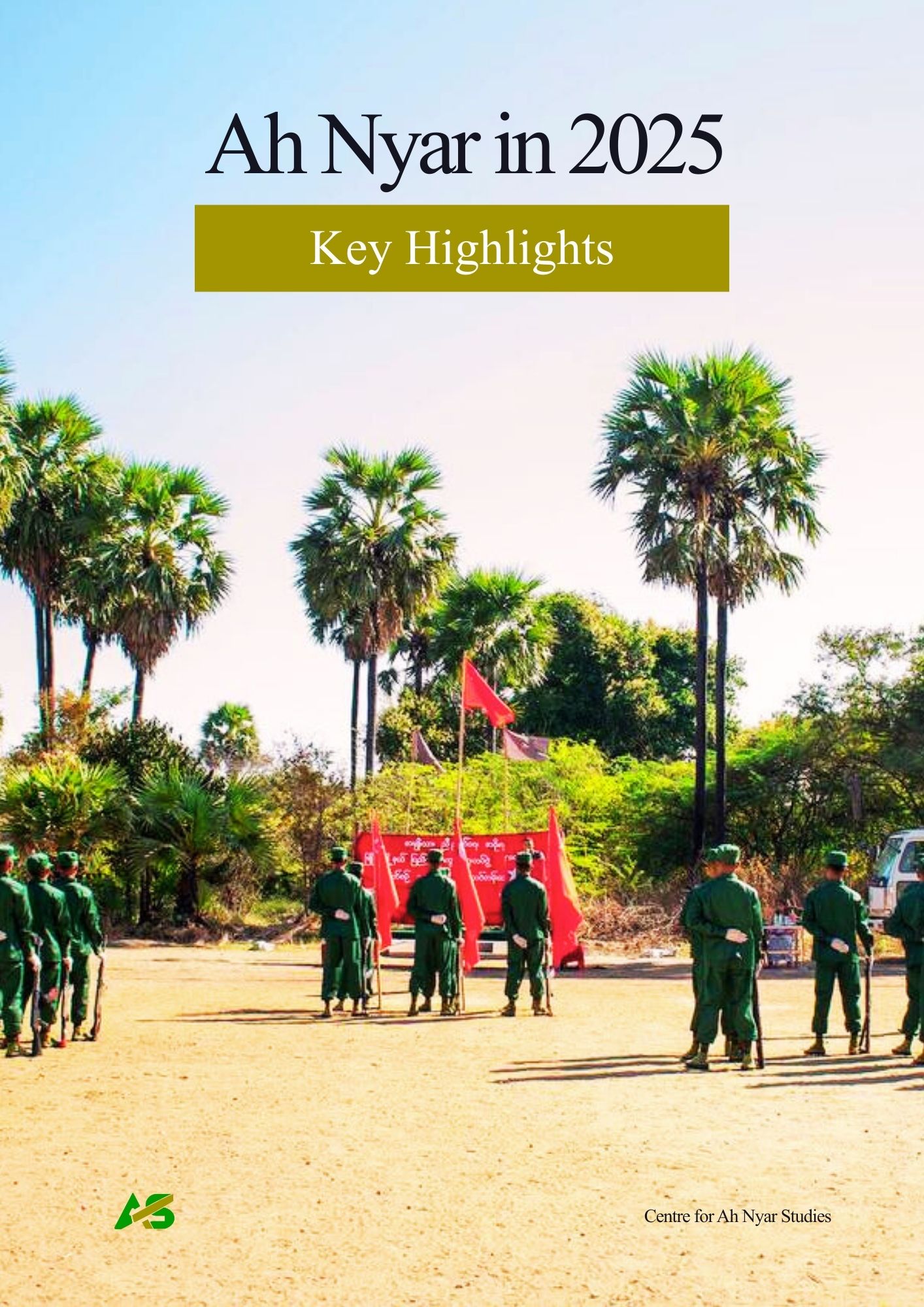
Resistance governance and federal institution-building advanced across Central Burma, while intensified military offensives, widespread airstrikes and a deteriorating human rights situation caused escalating civilian casualties, displacement and insecurity throughout Sagaing, Magway and Mandalay.
Our evidence indicates that the military operation extended beyond engagements with resistance forces and had a serious impact on civilians and civilian properties, including homes, cultural and religious heritage and civilian infrastructure.
Renewed military offensives along the India–Burma Friendship Road triggered fresh displacement, particularly around Khampat and Yarzagyo in Sagaing Region.
In contemporary conflicts, authority is measured not only by who holds territory, but by who can govern, supply, finance and connect it. The ability to sustain economic and administrative systems ultimately determines whether military control can be translated into durable political authority. To put it simply, modern revolutions are not won through political narratives alone. They are won through the capacity to govern, mobilise resources and maintain functioning systems that sustain both resistance and society.
Federal Unit Governments in Ah Nyar continued to consolidate interim governance structures and deepen political coordination amid the re-escalation of conflict in the region.
As of 2026, local resistance forces in Magway controlled two of the seven oil fields under the union government’s authority. The two major oil fields located in Pakokku, Myaing, and Pauk townships are currently under the management of the resistance administration. Oil and gas from these fields provided supplies for the Refinery Industry in Chauk township through Kamma and Pakokku.
“အညာတော်လှန်ရေးကို နိုင်သူရှုံးဖြစ်မှာစိုးတယ်” ဆောင်းပါး ပါမေးခွန်းများကို ဆွေးနွေးဖြေဆိုခြင်း (7th Edition)
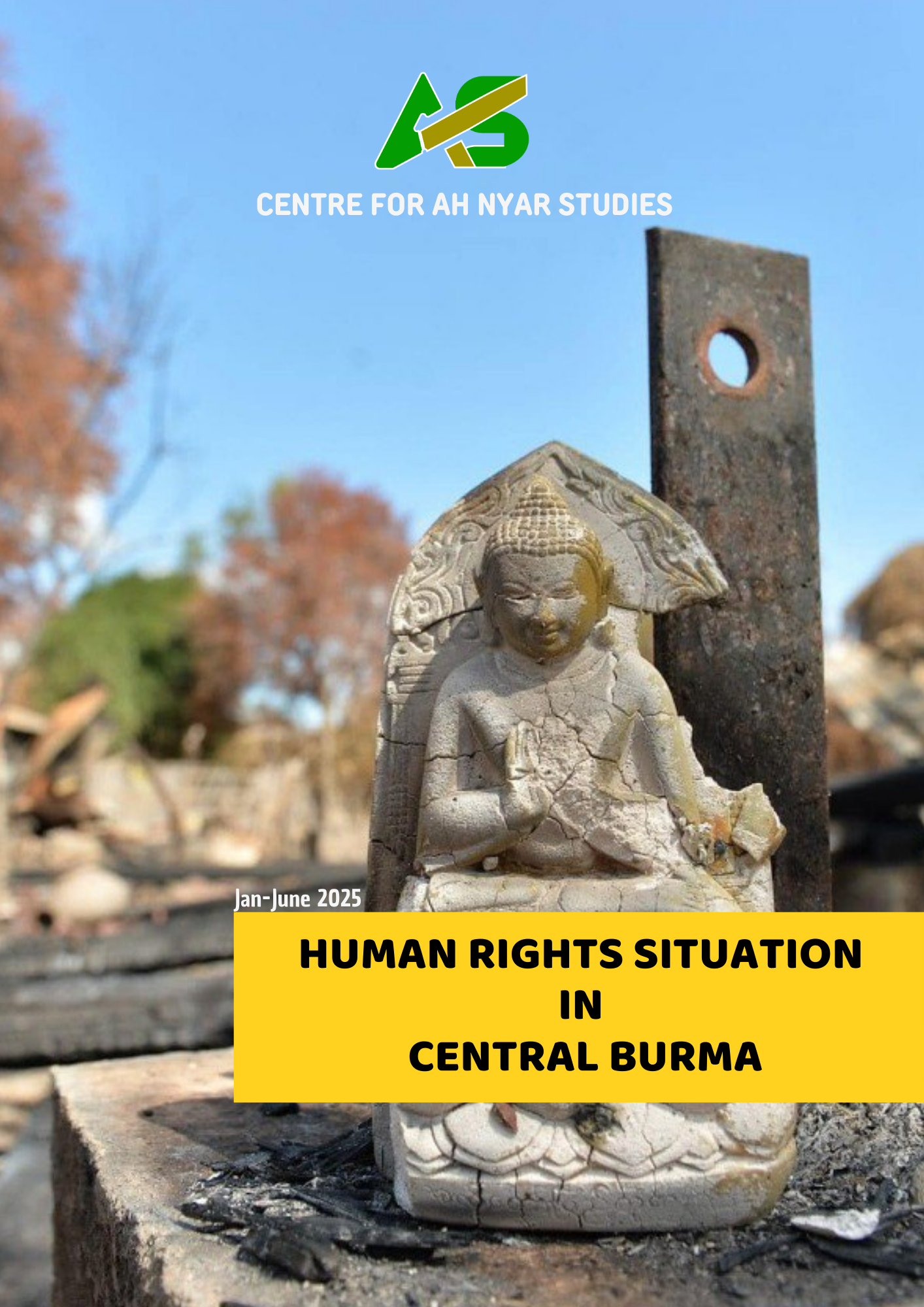
Human Rights Situation in Central Burma (Jan-Jun 2025)
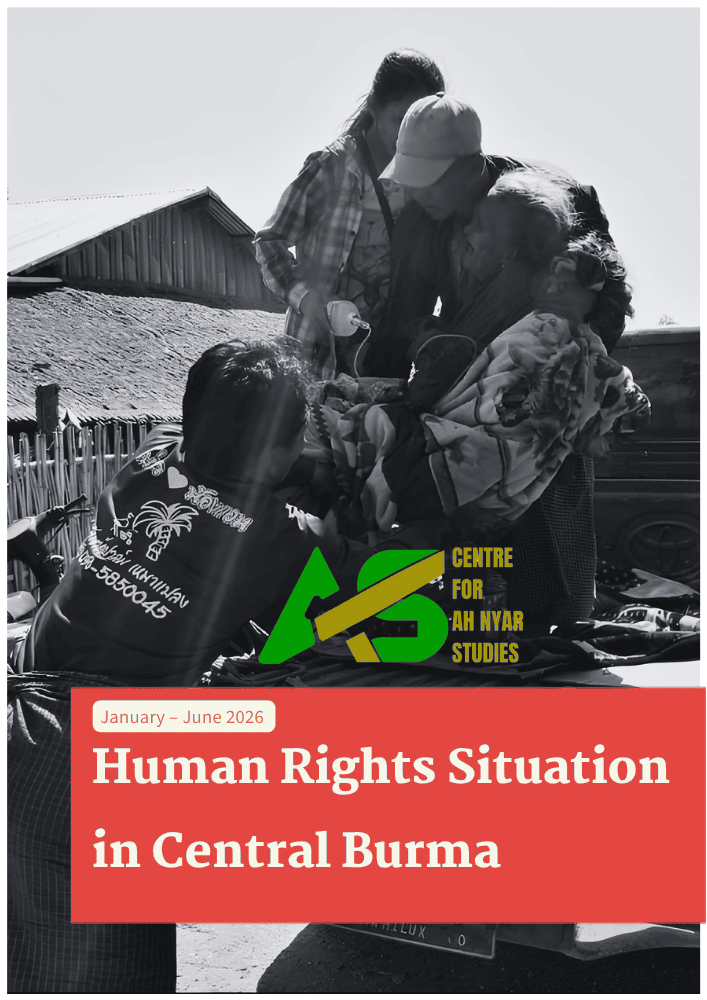
Human Rights Situation in Central Burma (January – June, 2026)
Human Rights Situation in Central Burma (July-December, 2025)
What is Happening in Ah Nyar? Issue 2/2026
What is Happening in Ah Nyar? Issue 3/2026
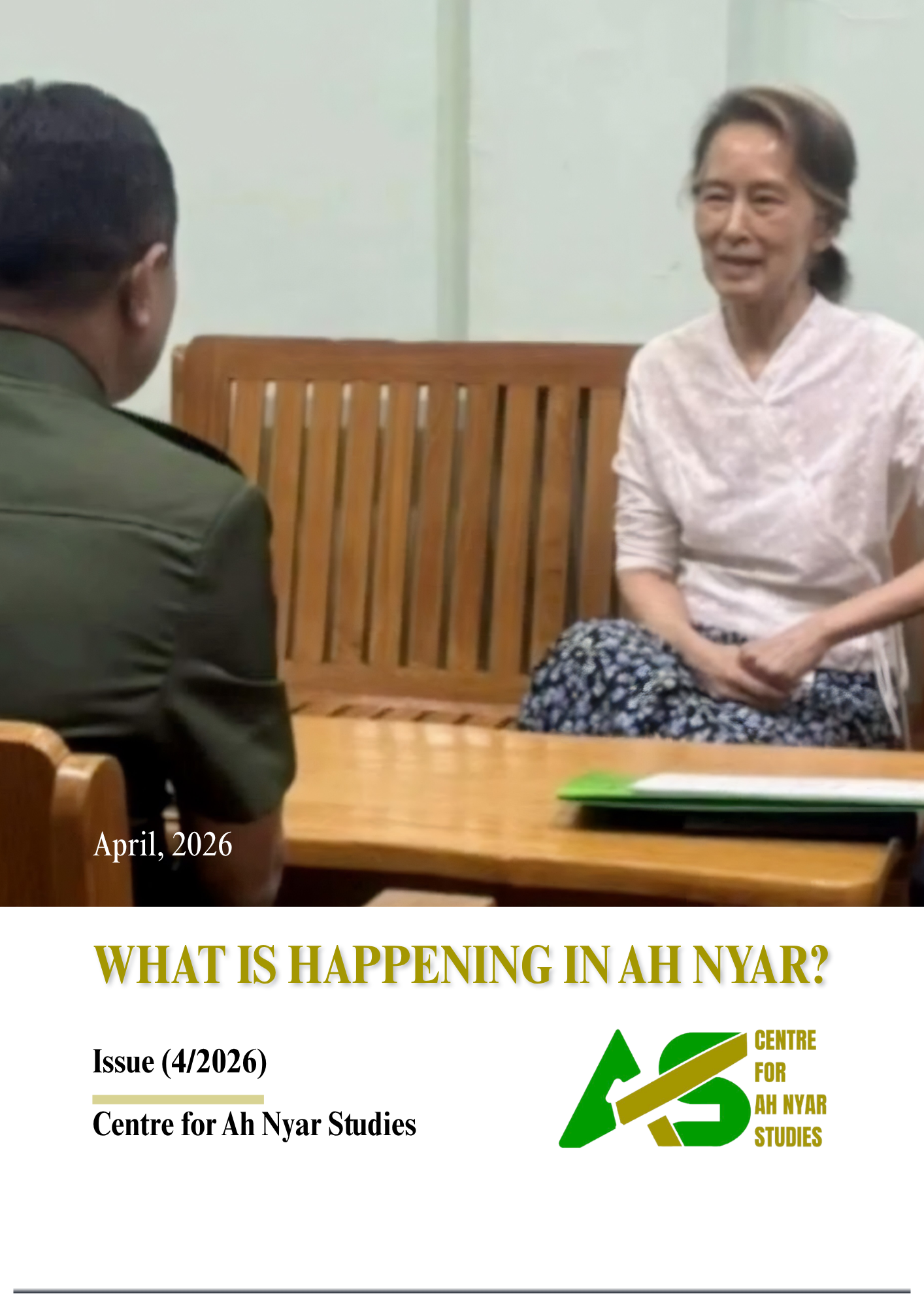
What is Happening in Ah Nyar? Issue 4/2026
What is Happening in Central Burma (Ah Nyar)? Issue (20/2025)
What is Happening in Central Burma (Ah Nyar)? Issue (21/2025)
What is Happening in Central Burma (Ah Nyar)? Issue (22/2025)
What is Happening in Central Burma (Ah Nyar)? Issue (23/2025)
What is Happening in Central Burma (Ah Nyar)? Issue (24/2025)
What is Happening in Central Burma (Ah Nyar)? Issue (25/2025)
What is Happening in Central Burma (Ah Nyar)? Issue (26/2025)
Thank you for standing with us, empowering change, and being a vital part of our journey. Through your generosity, we document the truth, educate the next generation, and inspire a movement for justice.
Centre for Ah Nyar Studies