Tag: Myanmar

  • Myanmar’s Conflict Is No Longer a 20th-Century Revolution
    Myanmar’s Conflict Is No Longer a 20th-Century Revolution

    Myanmar’s Conflict Is No Longer a 20th-Century Revolution

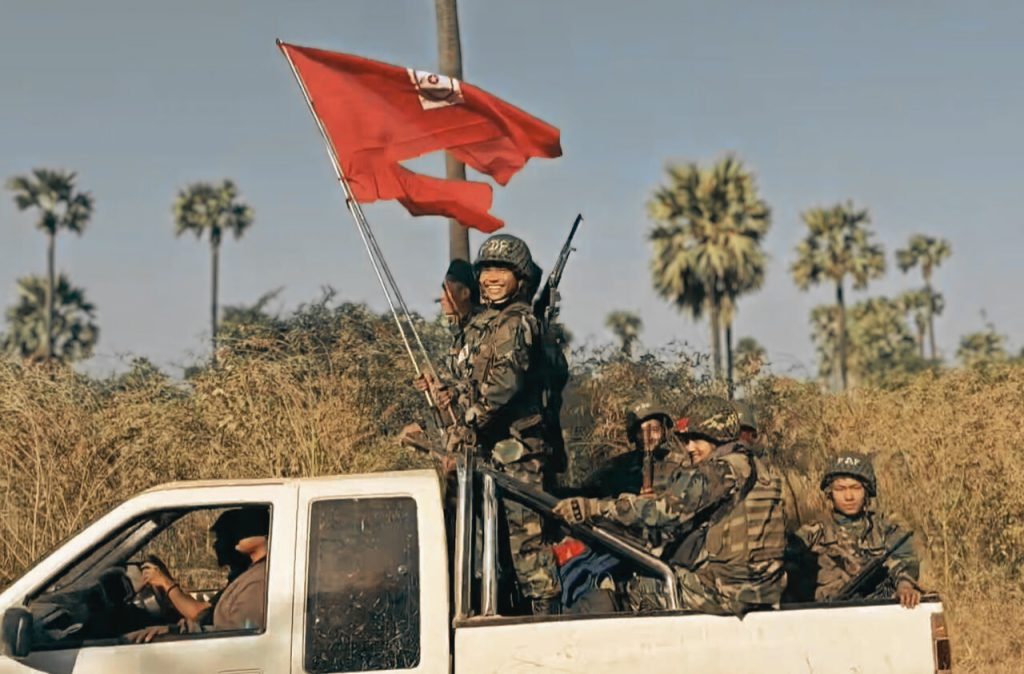
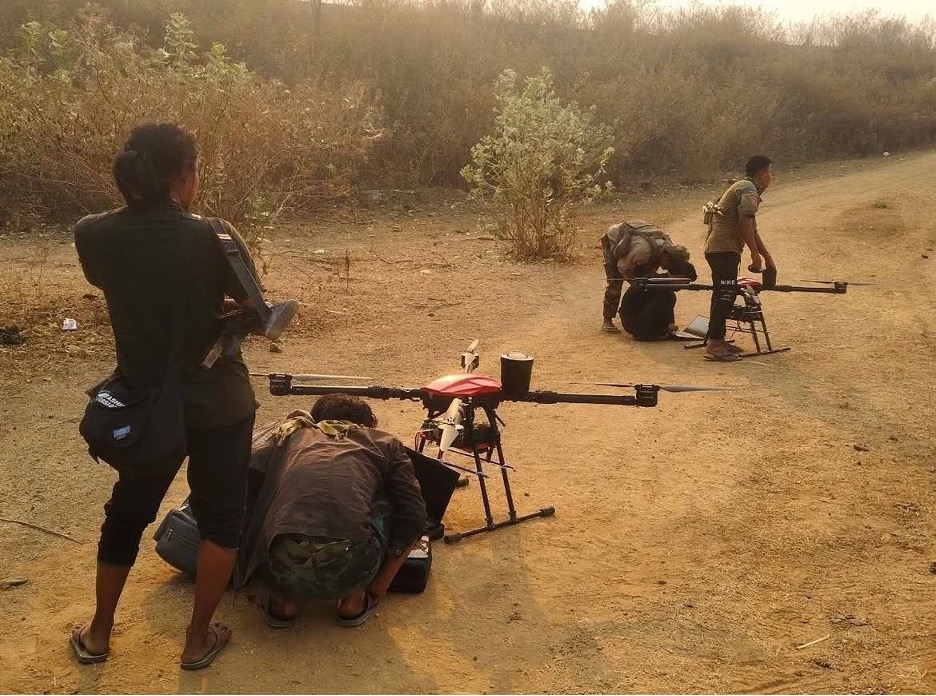
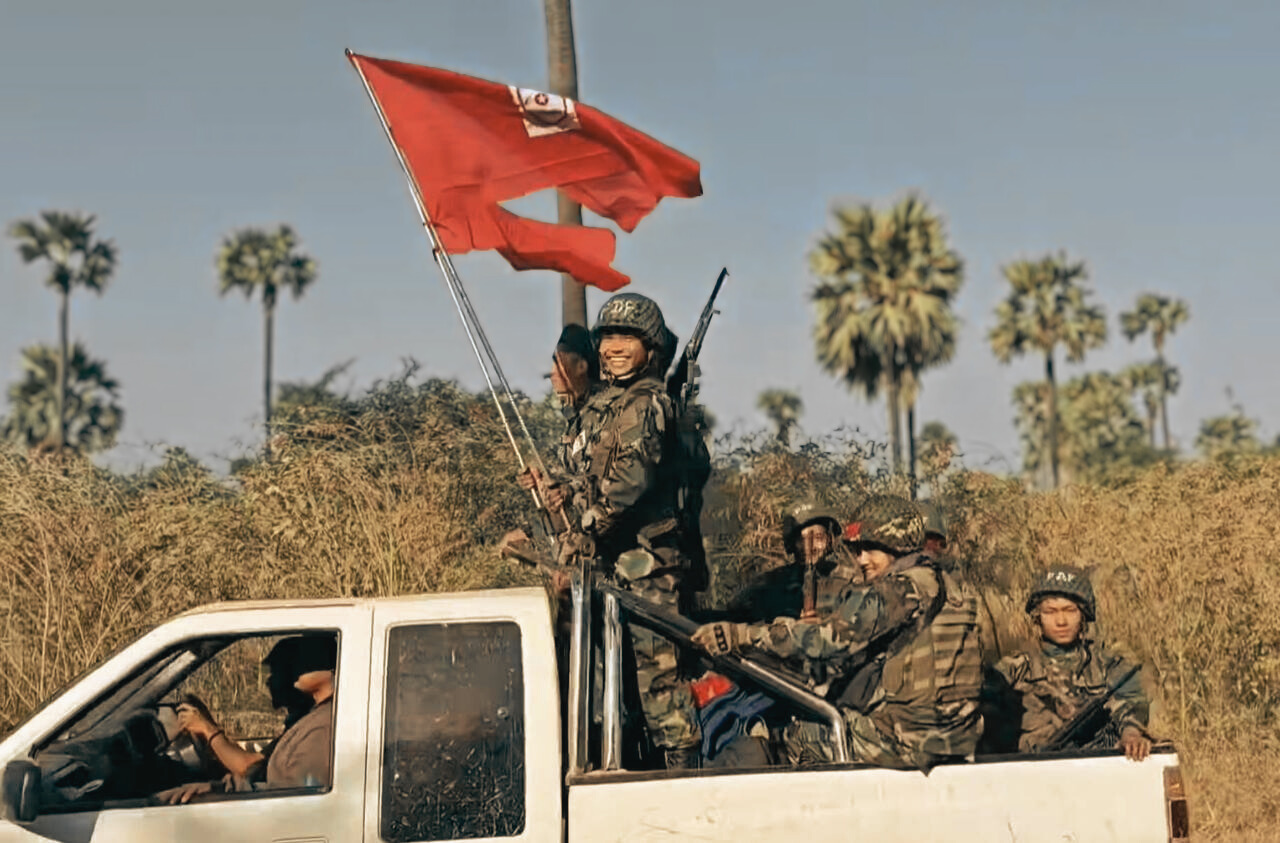
    PDF Fighters in Magway (Photo: Thanlwin Myanmar Media)

    The recent diplomacy between the United States and China should serve as a wake-up call — particularly for many of Myanmar’s institutionalised political and civil society elites who continue interpreting the country’s crisis through outdated frameworks rooted mainly in identity politics, symbolic advocacy and old political binaries. Myanmar’s conflict has already evolved into something far more complex: a hyper-modern war economy shaped by trade survival, logistics control and technological integration. The battlefield today is no longer determined only by ideology or ethnicity. Increasingly, it is shaped by who controls trade routes, financial circulation, resource corridors, and technological infrastructure. Across Myanmar’s conflict landscape, from EAO and PDF to Pyu-Saw-Htee militias, BGF and the Tatmadaw, the survival and influence of armed actors ultimately depend on their ability to contest and control these key sources.

    A quick examination of the conflict reveals that control over ammunition, medicine, fuel, internet access and food supplies is just as important as control over territory. None of these essentials can be sustained without functioning financial and trade networks operating across multiple levels—from northern Shan to Mandalay and from central Burma to the country’s western frontier. Without these systems, territorial control remains nominal rather than substantive.

    This explains why some of the fiercest battles are fought not merely over symbolic locations but over strategic trade corridors, logistical hubs and resource-rich areas. In contemporary conflicts, authority is measured not only by who holds territory, but by who can govern, supply, finance and connect it. The ability to sustain economic and administrative systems ultimately determines whether military control can be translated into durable political authority. To put it simply, modern revolutions are not won through political narratives alone. They are won through the capacity to govern, mobilise resources and maintain functioning systems that sustain both resistance and society.

    Border Gateways and Resource Corridors

    The fighting across northern Shan, Karen, Kachin, Chin and the borderlands adjoining Thailand, India and China is deeply intertwined with the control of customs gates and cross-border trade routes. Whoever controls these gateways controls taxation, revenue generation and ultimately, political authority. The recent developments in Kutkai illustrate this reality. The MNDAA reportedly moved against its long-standing ally, the TNLA and dismantled the latter’s administrative presence in the town. Kutkai is not merely a military objective; it sits on the strategic trade corridor linking Mandalay, Muse and China.

    The significance of such locations lies in their economic value. Trade flows through these corridors generate substantial revenues that finance administrative structures, public services and military operations. Whether under the control of ethnic armed organisations, resistance actors, or the junta, these revenues provide the resources necessary to sustain governance and project power. In many respects, the struggle for border crossings and trade routes is as consequential as the struggle for territory itself.

    Similarly, many conflict zones overlap directly with strategic resource corridors linked to rare earth mining, crude oil and other critical minerals. The struggle over China-bound supply chains, Thailand-linked trade networks, India-linked illicit economies and extractive zones is not accidental. For example, fierce contestation across Kachin State is closely tied to access to rare earth mining areas that supply China’s high-tech and renewable energy industries. According to Global Witness, Myanmar’s heavy rare earth trade was worth approximately US$1.4 billion in 2023, while exports of heavy rare earth oxides to China more than doubled from 19,500 tonnes in 2021 to 41,700 tonnes in 2023.

    A similar pattern can be observed in central Burma. Recent research by the Centre for Ah Nyar Studies highlights how contestation over oil and gas infrastructure in Magway has become increasingly intertwined with emerging governance arrangements. Petroleum fields, transport routes, taxation systems and local administrative mechanisms have become sites of competition between revolutionary actors and the junta.  Likewise, competition over jade, gold, timber and border trade routes has long shaped the political economy of conflict in northern Myanmar, while battles around key crossings in Karen and Shan States remain inseparable from the revenues generated through formal and informal cross-border commerce. In many cases, the real strategic value lies not in the land being contested, but in the economic infrastructure that runs through it.

    The Digital Frontline

    Ethnic resistance movements have been among the greatest beneficiaries of Generation Z’s efforts to digitalise the revolution, from the use of drones on the battlefield to the mobilisation of financial resources. Like it or not, the Spring Revolution has fundamentally digitised Myanmar’s conflict. At the same time, digital infrastructure has become more critical than ever for the resistance movement, governance and, most importantly, the functioning of the emerging economy in resistance-held areas. Adding to this, Myanmar’s formal banking system has been severely weakened by militarisation, state surveillance, sanctions pressure, economic decline and repeated systemic disruptions. As confidence in formal financial institutions has eroded, communities have increasingly turned to mobile wallets, crypto-linked transfers, informal hundi networks and other decentralised financial mechanisms. Diaspora remittances, humanitarian assistance, procurement financing and even battlefield logistics now flow through hybrid financial ecosystems involving USDT, encrypted communication platforms, digital payment channels and cross-border transfer networks. In many respects, resistance financing has evolved beyond conventional fundraising models. It increasingly resembles a decentralised wartime fintech system, capable of moving resources across borders, circumventing state controls and sustaining both governance and resistance activities in contested territories.

    Likewise, connectivity is increasingly moving beyond the reach of state control. Satellite internet systems such as Starlink enable communities to bypass internet shutdowns, communication blackouts and state surveillance mechanisms. Across Ah Nyar, particularly among displaced populations, connectivity is no longer simply a matter of communication. It has become a critical enabler of education, emergency coordination, access to healthcare, financial inclusion, documentation of human rights abuses and maintaining social ties under wartime conditions. More importantly, connectivity enhances resilience. Communities with access to the outside world are better able to mobilise resources, share information, access services and maintain links with diaspora networks. In this sense, digital connectivity functions as both social infrastructure and a form of civilian protection. A connected village is not only better informed; it is also harder to isolate, intimidate, or control psychologically and politically.

    Beyond Symbolic Politics

    This does not mean that questions of ethnicity, discrimination, gender inequality, or historical injustice have disappeared. They remain deeply embedded in Myanmar’s social and political fabric. Yet much of the country’s political discourse continues to approach these issues through frameworks of representation and recognition inherited from previous decades, often overlooking the profound transformation of the material conditions that shape people’s lives.

    For millions living under protracted conflict, the struggle is increasingly about access rather than symbolism. Access to essential supplies, including energy and finance, has become as consequential as access to political representation itself. Communities are not merely demanding a seat at the table; they are seeking the capabilities necessary to survive, adapt and shape their own futures.

    Beyond symbolic politics, Myanmar’s future will be shaped not only by political settlements, military outcomes, or constitutional arrangements, but by whether emerging systems can genuinely expand human capability. Despite all the discussions about trade corridors, digital finance, AI, drones, crypto systems and geopolitical competition, the central question should never be forgotten: How can human beings live with dignity, safety, and opportunity under rapidly changing realities? Access to education, healthcare, connectivity, finance, energy and security increasingly determines whether people can build meaningful lives. Ultimately, the success of any revolution should be measured not by the power it accumulates, but by the opportunities and dignity it creates for ordinary people.

    Let Pan Ni is an independent researcher specialising in the social dynamics of Myanmar’s central dry zone (Ah Nyar). Her research focuses on bridging the gap between realities on the ground and international policy frameworks.

    The views and analyses presented in this commentary are solely those of the author and do not necessarily reflect the positions of the Centre for Ah Nyar Studies.

    Cite this Article: Centre for Ah Nyar Studies, (2026, June 10). “Myanmar’s Conflict Is No Longer a 20th-Century Revolution”. Op-ed, Centre for Ah Nyar Studies. https://ah-nyarstudies.org/myanmars-conflict-is-no-longer-a-20th-century-revolution/
    [cas_related]

  • အညာကို လျှော့တွက်ခဲ့ခြင်း အမှား

    အညာကို လျှော့တွက်ခဲ့ခြင်း အမှား

    အညာကိုလျှော့တွက်ခဲ့ခြင်း အမှား

    မြန်မာ့နွေဦးတော်လှန်ရေး ၅နှစ်ပြည့်ပါတော့မည်။ ကချင်ခေါင်းဆောင်တစ်ဦး ပြောခဲ့ဖူးသည့် “တော်လှန်ရေးတစ်ခုက ၅နှစ်ထက်ပိုမကြာသင့်ဘူး” ဆိုသည့် စကားကို ပြန်လည် သတိရမိသည်။ ထိုအတိုင်းဆို နွေဦးတော်လှန်ရေး အဆုံးသတ်ခါနီးနေပြီလား။ သို့မဟုတ် လက်ရှိကြုံတွေ့နေရသည့်အရာတွေကရော ဘာတွေပါလဲ။

    စစ်တပ်၏ အပ်ကြောင်းထပ် နိုင်ငံရေးကစားကွက်အတိုင်း မြန်မာစစ်တပ်က အသွင်ကူးပြောင်းမည့် နိုင်ငံရေးလမ်းကြောင်းကို စတင် ပုံဖော်နေခဲ့ပြီဖြစ်သည်။ မြန်မာနိုင်ငံအလယ်ပိုင်း (ဒေသအခေါ် အညာ) တစ်ဝိုက်နှင့် တိုင်းရင်းသားဒေသရှိနယ်မြေများကို စစ်တပ်၏ စစ်ဆင်ရေးဗျူဟာ နှင့်အတူ ရွေးကောက်ပွဲ အကောင်အထည်ဖော်ရန် ကြိုးပမ်းလျက်ရှိသည်။ ဥပမာ-စစ်ကိုင်း ကလေး-ကဘော်ဒေသ၊ ဟားခါး (ချင်းပြည်နယ်) ၊ ပေါက်၊ ကျောက်ထု (မကွေး)၊ မင်းတပ် (ချင်းပြည်နယ်)၊ မတ္တရာ၊ မိုးကုတ် (မန္တလေး)နှင့် ရွှေဘို (စစ်ကိုင်း) စသည့် နေရာအနှံ့အပြားတွင် စစ်ဆင်ရေးများ လုပ်ဆောင်လာသည်။ တချို့နယ်မြေများကို အာဏာသိမ်းစစ်တပ်က ပြန်လည်နေရာယူထားပြီဖြစ်သည်။ အာဏာသိမ်းစစ်တပ်က နိုင်ငံ၏ အရှေ့ပိုင်းမှသည် အနောက်ပိုင်းဒေသနယ်မြေများအထိ တော်လှန်ရေးတပ်ဖွဲ့များ၏ ထောက်ပံ့ရေးလမ်းကြောင်းများကို ဖြတ်တောက်ရန် လုပ်ဆောင်လျက်ရှိပြီး အဓိက စစ်ဆင်ရေးများအတွက် ပြင်ဆင်လျက်ရှိသည်။

    ၂၀၂၃ခုနှစ် နောက်ပိုင်းနှင့် ၂၀၂၄ ခုနှစ် အခြေအနေများကို ပြန်ကြည့်ပါက အာဏာသိမ်းစစ်တပ်အတွက် လုံးဝ အထိနာခဲ့သည်။ စစ်လက်နက်ပစ္စည်းထုတ်လုပ်ရေးစက်ရုံများ တည်ရှိရာ မြန်မာနိုင်ငံအလယ်ပိုင်း တွင်ပင် ထိုကဲ့သို့စစ်ဆင်ရေးများ လုပ်နိုင်ရန် ကျန်ခဲ့သောနှစ်ဆန်းကအထိ မျှော်လင့်ဝံ့မည်မဟုတ်ပေ။ ထိုသို့ဆိုလျှင် ယခုအခြေအနေက ဘာကြောင့်ဖြစ်လာပါသနည်း။

    မည်သို့သောအချက်အလက်များကစစ်အာဏာရှင်ကိုစစ်ဆင်ရေးလုပ်ဆောင်ရန်တွန်းအားဖြစ်စေခဲ့သနည်း။ နိုင်ငံရေးလေ့လာသုံးသပ်သူ အချို့က စစ်ဆင်ရေးများတွင် စစ်မှုထမ်းအင်အား အများအပြားသုံးစွဲလာခြင်း နှင့် တရုတ်၏ ကြားဝင်စေ့စပ်ညှိနှိုင်းသည့်ကိစ္စရပ်များကို ပြောဆိုကြသည်။ အခြားရော ဘာတွေရှိနေနိုင်သနည်း။ မိမိတို့ကတော့ အမျိုးသားညီညွတ်ရေးအစိုးရနှင့် တိုင်းရင်းသားတော်လှန်ရေးတပ်များအနေဖြင့် ၎င်းတို့၏ မဟာဗျူဟာဆိုင်ရာ တွက်ချက်မှုထဲတွင် အညာကို လျှော့တွက်ခဲ့ခြင်းကြောင့်ဟု သုံးသပ်ချင်ပါသည်။

    အညာက ဘာကြောင့်အရေးကြီးတာလဲ

    စစ်တပ်သည် ၁၉၆၀ ကာလများဆီက ပြုလုပ်ခဲ့သော စစ်ဆင်ရေးကြီးများအပြီး မြန်မာနိုင်ငံအလယ်ပိုင်းကို မဟာဗျူဟာအရ ဘူမိနတ်သန်ဒေသ၊ တစ်နည်းအားဖြင့် “အဖြူရောင်နယ်မြေ” ဟု သတ်မှတ်ထားခဲ့သည်။ စစ်တပ်အမြင်အရ အညာကို ထိန်းချုပ်ထားခြင်းသည် နိုင်ငံတော်လုံခြုံရေး၊ ကွန်မြူနစ် နှင့် တိုင်းရင်းသားလက်နက်ကိုင် တော်လှန်ရေးများကို တားဆီးဖိနှိပ်ရန်အတွက် အရေးပါသည်။ ၂၀၂၁ခုနှစ် အာဏာသိမ်းပြီးနောက် စစ်တပ်၏အာဏာစက်ဝန်း ထိန်းချုပ်မှုအောက်မှလွတ်မြောက်ရန် လက်နက်ကိုင် တော်လှန်ရေးကြီး ထွက်ပေါ်လာနိုင်ခြေကိုမူ လျော့တွက်ထားခဲ့ပုံပင်။

    စစ်တပ်၏ အဖွဲ့အစည်းတည်ဆောက်ထားပုံနှင့် စစ်ရေးပြင်ဆင်မှုများသည် တောင်တန်းဒေသများရှိ ၎င်း၏ ရန်သူ တိုင်းရင်းသားတပ်ဖွဲ့များအား တိုက်ခိုက်ရန် အလေးထားဆောင်ရွက်ထားခြင်းဖြစ်ပြီး၊ အညာကို စစ်ရေးစမ်းသပ်ဧရိယာတစ်ခု အဖြစ်သာ ယေဘုယျ သတ်မှတ်ထားခြင်းဖြစ်သည်။ မကွေးတိုင်းတွင် အဓိကလက်နက်ထုတ်လုပ်ရေးစက်ရုံများ ရှိသည်။ တိုင်စစ်ဌာချုပ်များကို နယ်စပ်ဒေသများတစ်ကြော ထိန်းချုပ်ရန် ဖြန့်ကျက်ထားပြီး အလယ်ပိုင်းဒေသများရှိ တပ်မ အသီးသီးက ကျားကန်ပေးထားသည်။ ဒုတိယအချက်အနေဖြင့် မင်းအောင်လှိုင်က ဖီးနစ် တီဗီနှင့် အင်တာဗျူးတစ်ခုတွင် “ပြောရရင်တော့ဗျာ … ဟို ပြောရလို့ရှိရင်တော့ အဲလောက်ထိတော့များလိမ့်မယ်လို့ ကျွန်တော်မထင်ခဲ့ဘူး” ဟု ၂၀၂၁ ခုနှစ် အာဏာသိမ်းမှု ဆန့်ကျင်ရေးများနှင့်ပတ်သက်၍ ၎င်းအနေဖြင့် အတွက်အချက်မှားခဲ့ကြောင်း ဝန်ခံထားသည်။ ထိုအချက်က စစ်တပ်အနေနဲ့ မြန်မာနိုင်ငံအလယ်ပိုင်းတွင် လက်နက်ကိုင်တော်လှန်ရေး တစ်ရပ် ဖြစ်လာနိုင်ခြေကို အကြီးအကျယ် လျှော့တွက်ခဲ့ကြောင်း ထင်ရှားသည်။ အာဏာသိမ်းမှုအလွန် ၅နှစ်နီးပါးတွင် မြန်မာစစ်တပ်၏ ဗဟိုချက် ထိန်းချုပ်ရာ မြန်မာနိုင်ငံအလယ်ပိုင်း အညာမှာ စစ်တပ်၏ အဓိကနယ်မြေအများအပြား ဆုံးရှုံးနေခဲ့ပြီဖြစ်သည်။

    ထို့အပြင် အညာသည် နွေဦးတော်လှန်ရေး၏ ပြယုဂ်တစ်ခုဖြစ်လို့နေသည်။ အညာ လက်နက်ကိုင်တော်လှန်ရေးက နေပြည်တော်အာဏာအဆောက်အဦကို တိုက်ရိုက် ခြိမ်းခြောက်နေသည်။ တစ်နည်းအားဖြင့် အညာစစ်မျက်နှာသည် နိုင်ငံအနှံ့ လူမျိုးစုလွတ်မြောက်ရေး တော်လှန်တိုက်ပွဲများအတွက် အလှည့်အပြောင်း တစ်ခုလည်း ဖြစ်သည်။ စစ်တပ်၏ ဗဟိုအာဏာစက် ပျက်သုဥ်းနေကြောင်း အညာက မီးမောင်းထိုးပြနေသည်။

    နိုင်ငံရေးအရဆိုလျှင် အညာတော်လှန်ရေးအရွေ့ကို ဒေသတွင်းမြို့နယ်အသီးသီးရှိ မြေပြင်ခေါင်းဆောင်များက ဦးဆောင်နေဆဲဖြစ်သည်။ ဤအချက်က လူမျိုးစုနိုင်ငံရေး နှင့် အဝေးရောက် (ပြည်ပရောက်) နိုင်ငံရေးခေါင်းဆောင်မှုပုံစံများနှင့် ဆန့်ကျင်ဘက်ဖြစ်နေသည်။ လူမျိုးစုနိုင်ငံရေးဦးဆောင်မှုနှင့် အဝေးရောက်နိုင်ငံရေးဦးဆောင်မှု အခန်းကဏ္ဍတွင်ရှိသော ခေါင်းဆောင်အများစုမှာ မြန်မာနိုင်ငံသားမဟုတ်တော့သူများ (နိုင်ငံခြားသားများ) သို့မဟုတ် နိုင်ငံခြားတိုင်းပြည်တစ်ခုခုတွင် အမြဲတမ်းနေထိုင်ခွင့်ကတ်ကိုင်ဆောင်ထားသူများဖြစ်သည်။ အဓိပ္ပါယ်မှာ ခေါင်းဆောင်မှုသည် ထွက်ပေါက်သို့ ဦးတည်နေပြီး သို့မဟုတ် ၎င်းတို့နောက်လိုက်ငယ်သားများထက် အလွန်သာလွန်သော ပုဂ္ဂိုလ်ရေးလုံခြုံမှုအစီအမံများရှိထားပြီးဖြစ်သည်။ စစ်ဗိုလ်ချုပ်များ နှင့် ၎င်းတို့၏ နိုင်ငံရေးဘက်တော်သားများသည် ပြည်ပရောက် နိုင်ငံရေးသမားများ၊ အဖွဲ့အစည်းများ နှင့်ပတ်သက်၍ ကျွမ်းကျင်ပိုင်နိုင်စွာ ကိုယ်တွယ်ခဲ့သည့် နှစ်ရှည်အတွေ့အကြုံများရှိခဲ့သောကြောင့် ၎င်းတို့အတွက် ခေါင်းခဲစရာကိစ္စကြီးမဟုတ်ပေ။ ဆန့်ကျင်ဘက်အားဖြင့် ၁၉၈၈ ကာလများအလွန်ကတည်းက လူထုခေါင်းဆောင် ဒေါ်အောင်ဆန်းစုကြည်က မြန်မာပြည်တွင်းတွင် မြန်မာလူထုနှင့်အတူရှိနေခဲ့၊ ခေါင်းဆောင်မှုပေးနေခဲ့သည်။ ပို၍ အရေးကြီးသည်မှာ ဒေါ်အောင်ဆန်းစုကြည်သည် မြန်မာနိုင်ငံသား မှတ်ပုံတင်ကို မြဲမြဲကိုင်ထားဆဲပင်။ ထိုအချက်က စစ်ဗိုလ်ချုပ်များအတွက် အလွန်ကြီးမားသော ခြိမ်းခြောက်မှုဖြစ်သည်။ ထိုနောက်ခံအခြေအနေဖြင့် မှန်းဆကြည့်ပါက အညာဒေသမှ ပြည်တွင်းခေါင်းဆောင်မှု အားကောင်းလာခြင်းမှာ စစ်ဗိုလ်ချုပ်များအတွက် နိုင်ငံရေးအရ ခေါင်းကိုက် စရာ ဖြစ်လာပါတော့သည်။

    မတူညီသော ဦးစားပေးမှု၊ ကွဲပြားသော နည်းဗျူဟာ

    ပြီးခဲ့သည့် ၄နှစ်အတွင်း NUG သည် တိုင်းရင်းသားတော်လှန်ရေးတပ်များနှင့် ပူးတွဲ၍ စစ်ဆင်ရေးများဖော်ဆောင်ခြင်း နှင့် ဗဟိုအမိန့်ပေးကွပ်ကဲမှုတည်ဆောက်ခြင်းများကို ကြိုးပမ်းနေ ခဲ့သည်။ နွေဦးတော်လှန်ရေးတွင် အသစ်ဖွဲ့စည်းထားသော တော်လှန်ရေးတပ်များသည်လည်း ပုံစံတူနည်းကို လိုက်ခဲ့သည်။ တိုင်းရင်းသားလွတ်မြောက်နယ်မြေများတွင် ဦးစွာလေ့ကျင့်ပြီးမှ အလယ်ပိုင်းနှင့် အောက်ပိုင်းသို့ တဖြည်းဖြည်းရွေ့သည့်ဗျူဟာပင်။ ကနဦးတွင် ဗျူဟာအရ တူညီမှုများတွေ့ရသော်လည်း NUG၊ ERO နှင့် အသစ်ဖွဲ့စည်းထားသော တော်လှန်ရေးတပ်များအကြား ပူးပေါင်းဆောင်ရွက်မှုသည် အလွန်ကျဉ်းမြောင်းသောဘောင်တစ်ခုထဲတွင်သာ ရှိနေခဲ့ကြောင်းကို နောက်ပိုင်းတော့ ရှင်းရှင်းလင်းလင်းသိလာရသည်။ ကွဲပြားသော မဟာဗျူဟာများနှင့် မတူညီသော ဦးစားပေးမှုများကို မြင်တွေ့လာရသည်။

    ERO များက သူတို့၏ကိုယ်ပိုင်နယ်မြေများကို ခိုင်မာစေရန် ဒေသဆိုင်ရာဗျူဟာများကို အလယ်ပိုင်းဒေသ အင်အားစုများနှင့် ဗျူဟာအရချိတ်ဆက်ဆောင်ရွက်မှုထက် သူတို့၏ သြဇာလွှမ်းမိုးမှုကို အခိုင်အမာသေချာစေရေးနှင့် ချဲ့ထွင်ရေးတို့ကိုသာ အလေးထားပြီး လုပ်ဆောင်ခဲ့သည်။ မိမိတို့ဒေသတွင်း မဟာဗျူဟာများကို အလယ်ပိုင်းဒေသနှင့်ချိတ်ဆက်ရေးထက် ERO များက ၎င်းတို့၏ ကိုယ်ပိုင်နယ်မြေများကို ထိန်းချုပ်မှုအားကောင်းလာစေရန်နှင့် ၎င်းတို့၏ စစ်ရေး၊ နိုင်ငံရေးစိုးမိုးမှုကို ခိုင်မာစွာချဲ့ထွင်ရေးကိုသာ ဦးစားပေးနေခဲ့သည်။ အလားတူပင် NUG ဘက်မှာလည်း ERO များအပေါ် အလွန်အမင်းအားပြုပြီး အလယ်ပိုင်းဒေသကို အာရုံသိပ်မထားခဲ့ခြင်းကြောင့် အခွင့်အလမ်းကောင်းများ လွတ်သွားခဲ့သည်ပင်။ သေချာသည့်အချက်မှာ ဗဟိုကွပ်ကဲမှုတည်ဆောက်ခြင်း၊ ERO များနှင့် ပူးပေါင်းဆောင်ရွက်ခြင်းများသည် မျှော်လင့်ထားသည့်အတိုင်း ဖြစ်မလာသေး။

    သို့သော် အညာတော်လှန်ရေးအရွေ့သည် လက်လုပ်များနှင့် မြေမြှုပ်မိုင်းများမှတစ်ဆင့် ညှိနှိုင်း စစ်ဆင်ရေးများအထိ အဆင့်ဆင့် ကြီးထွားလာနေခဲ့သည်။ မြန်မာနိုင်ငံအလယ်ပိုင်း အညာတော်လှန်ရေးအင်အားစု အဖွဲ့ငယ်လေးများသည် ကျေးလက်နယ်မြေများနှင့် စစ်ရေးအရဗျူဟာကျသော လမ်းမကြီးများကို ထိန်းချုပ်နိုင်သည်အထိ စိုးမိုးမှုရရှိလာသည်။ အညာတော်လှန်ရေး၏ အစိတ်အပိုင်းကြီးတစ်ခုအဖြစ် ပါဝင်နေသော်လည်း NUG က မဟာဗျူဟာမြောက် ခေါင်းဆောင်မှုအခန်းကဏ္ဍကို ယူရန် ပျက်ကွက်နေခဲ့သည်။ ထိုအချက်က အညာဒေသတွင် အပေါ်လွှာခေါင်းဆောင်မှုလေဟာနယ် ဖြစ်ပေါ်လာစေသည်။ နယ်မြေထိန်းချုပ်မှုအရ အောင်မြင်မှုများ ရှိသော်လည်း အညာတော်လှန်ရေးလှုပ်ရှားမှုသည် များပြားလွန်းသော ကျေးရွာအခြေပြု တော်လှန်ရေးအင်အားစုများကို စုစည်းရန် ရုန်းကန်နေရသည်။ ၂၀၂၅ ခုနှစ် ဒုတိယနှစ်ဝက်မှစ၍ အညာတော်လှန်ရေး တပ်များကြားတွင် စီမံချက်အခြေပြု နှင့် ဇုန်အခြေပြု စစ်ရေးပူးပေါင်းဆောင်ရွက်မှုများ ခပ်စိပ်စိပ် မြင်တွေ့လာရပါသည်။ failed experiments များမှ သင်ခန်းစာယူ၍ ဗျူဟာအသစ်များကို လိုက်လျောညီထွေချမှတ်နေသည်ဟု နားလည်ရပါသည်။ ယခုထိတိုင် အညာတွင် စနစ်ကျသော ညှိနှိုင်းကွပ်ကဲမှုနှင့် အမိန့်ပေးမှုပုံစံကို တည်ဆောက်ရန် အခက်အခဲများရှိနေဆဲပင်။

    ဘာတွေမှားခဲ့သလဲ

    NUG ရဲ့ ပသုံးလုံး ဗျူဟာ (ပြည်သူ့အုပ်ချုပ်ရေးအဖွဲ့၊ ပြည်သူ့ကာကွယ်ရေးအဖွဲ့နှင့် ပြည်သူ့လုံခြုံရေးအဖွဲ့)က အညာမြေပြင်မှာ ဖြစ်ပျက်နေသော ပကတိအခြေအနေများကို ထည့်တွက်ရန်၊ နွေဦးတော်လှန်ရေးလှုပ်ရှားမှုရေချိန်နှင့် ချိန်သားကိုက်ဖြစ်ရန်တို့ကို ထည့်တွက်ရန် ပျက်ကွက် ခဲ့သည်။ လက်နက်ကိုင်တော်လှန်ရေး အရှိန်အဟုန်မြင့်လာနေဆဲကာလ၊ တစ်နည်းအားဖြင့် နယ်မြေထိန်းချုပ်မှု မသေချာသေးသည့်အချိန်တွင် NUG က ဗျူရိုကရေစီယန္တရားများကို တည်ဆောက်လိုက်သည်။ ထိုအချက်က မြေပြင်လုပ်ငန်းဆောင်ရွက်မှုများအတွက် ရှုပ်ထွေးစေသကဲသို့ အညာတစ်ခွင်မှ တက်သစ်စ ခေါင်းဆောင်မှုကြားရှိ အက်ကြောင်းများကို ပိုမိုနက်ရှိုင်းစေသည်။ ၎င်းနည်းဖြင့်ပင် တော်လှန်ရေးဗျူရိုကရေစီအတွင်းမှ ယန္တရားအချင်းချင်းကြားပဋိပက္ခမီး စတင်လာခဲ့ခြင်း ဖြစ်သည်။ NUG ဗျူရိုကရေစီအတွင်းမှ ခေါင်းဆောင်များသည်လည်း အာဏာသိမ်းစစ်တပ်ကို တိုက်ခိုက်ဖို့ထက် ၎င်းတို့အတွက် လုပ်သာကိုင်သာ ရှိစေမည့် အဖွဲ့အစည်းတွင်း ဝန်ထမ်းစနစ်များ နှင့် နေရာချထားမှုများပြုလုပ်ရန် ပိုမိုအာရုံစိုက်နေခဲ့ဟန်တူပါသည်။

    နောက်တစ်ချက်မှာ NUG သည် တိုင်းရင်းသားတပ်များနှင့် စစ်ရေးပူးပေါင်းဆောင်ရွက်မှု နှင့် ဗဟိုအမိန့်ပေးကွပ်ကဲမှုတည်ဆောက်ခြင်းတို့ကို အလွန်အမင်းအာရုံစိုက်နေခဲ့ပြီး အညာဒေသရှိ ၎င်း၏တပ်များကို လေ့ကျင့်၊ စုဖွဲ့၍ လက်နက်တပ်ဆင်ရန် ပျက်ကွက်နေခဲ့သည့်အမှားဖြစ်သည်။ ထိုအချက်ကို အတိုချုပ်ပြောရလျင် အညာသားများနှင့် မြေပြင်တွင် အတူတူရှိနေရန် ပျက်ကွက်နေ ခဲ့ခြင်းပင်။ အရင်းအမြစ်ခွဲဝေမှုနှင့် စီမံခန့်ခွဲမှုများသည်လည်း အညာကို ဦးစားပေးရန် ပျက်ကွက်ခဲ့သည်။ NUG ရဲ့ ရန်ပုံငွေရှာဖွေမှုက ပြည်ပရောက်နိုင်ငံသားများနှင့် အွန်လိုင်းမှ စည်းရုံးရေးပေါ်တွင်သာ အဓိက မှီခိုခဲ့ခြင်းဖြစ်ပြီး စစ်ကိုင်း၊ မကွေးနှင့် မန္တလေးတို့ကို ဗျူဟာမြောက်ရန်ပုံငွေရှာဖွေရေးအတွက် အားသိပ်မစိုက်ခဲ့ပေ။ သယံဇာတ ခွဲဝေရေးတွင်လည်း အညာအတွက် ဦးစားမပေးခဲ့ပေ။

    အရေးအကြီးဆုံးကတော့ အညာတော်လှန်ရေးအင်အားစုများနှင့် ယုံကြည်မှုတည်ဆောက်ဖို့၊ အတူတူလက်တွဲဆောင်ရွက်ဖို့ ပျက်ကွက်ခဲ့ကြသည်။ နိုင်ငံခြားရေး နှင့် သံတမန် ဆက်ဆံရေး ကိစ္စရပ်များမှာလည်း အညာလူထုကြုံတွေ့နေရသည့်အကြောင်းအရာများကို ဘေးဖယ်ထားခဲ့သည်။ အညာဒေသတွင်း ခေါင်းဆောင်သစ်များနှင့် ညှိနှိုင်းဆောင်ရွက်မှုကိုလည်း လျစ်လျူရှုခဲ့ကြသည်။

    ပြင်ဆင်ဖို့ အချိန်ရှိသေးလား

    ကျွန်ုပ်တို့ သတိမမူမိသော အရာများမှ သင်ခန်းစာမယူနိုင်ပါက စစ်တပ်သည် နောက်ထပ် ရာစုနှစ်တစ်ခုအထိ တိုင်းပြည်၏ နယ်စပ်တစ်လျှောက်တွင် စစ်ပွဲများ ဆက်လက်ဆင်နွှဲနေနိုင်ပါသည်။ နွေဦးတော်လှန်ရေးအတွက် အညာကို လျစ်လျူရှုထားသည့် မအောင်မြင်သော စမ်းသပ်ချက်ကို ပြင်ဆင်ရန် အချိန်မနှောင်းသေးပါ။ နွေဦးတော်လှန်ရေး၏ အောင်မြင်မှုသည် ပြင်ပအကြောင်းအရာများ တွင်သာမက အညာအင်အားစုများ နှင့် တိုင်းရင်းသားများ၏တော်လှန်ရေးဟူသည့် ဗျူဟာ ၂ခုကို မည်သို့ပေါင်းကူးချိတ်ဆက်မလဲ ဆိုသည့် အပေါ်တွင်လည်း မူတည်ပါသည်။

    ဟေမာန်သည် စစ်ကိုင်းအခြေစိုက် နိုင်ငံရေးလေ့လာသူတစ်ဦးဖြစ်သည်။ ယခုဆောင်းပါးသည် Myanmar Pressphoto Agency သတင်းဌာနတွင်ဖော်ပြထားသော ဘာသာပြန်ဆောင်းပါးကို ပြန်လည်ဖော်ပြခြင်းဖြစ်သည်။ အင်္ဂလိပ်ဘာသာစကားဖြင့် ဖော်ပြထားသော မူရင်းဆောင်းပါးကို ဖတ်ရန် 

    [cas_related]

    းကို ပြနည်ဖော်ပ

  • Myanmar’s Spring Revolution: Paying the Price for What We Overlooked?

    Myanmar’s Spring Revolution: Paying the Price for What We Overlooked?

    Myanmar’s Spring Revolution: Paying the Price for What We Overlooked?

    Photo: CAS

    Spring Revolution approaches its fifth anniversary. It reminds the timeline that was initially pronounced by a prominent Kachin figure. He once said, “Revolution should not take longer than five years”. Are we approaching an end? Or what are we experiencing now?

    The military regime is on its political pathway to transition, dictated by its repeated political playbook. The elections are coming, along with massive military operations across tactical spots connecting central Burma (locally known as Ah Nyar) and neighbouring ethnic states. They include operations in the Kalay-Kabaw area of Sagaing and Hakha of Chin state, Pauk, Kyauk-Htu of Magway and Mindat of Chin State and Madaya, Moegot of Mandalay and Shwe Bo of Sagaing. Tatmadaw is clearly cutting the supply chain from the eastern to the western corner of the country in preparation for its major operations. Looking back to the situation in late 2023 and 2024, it was a complete disaster for the junta. It cannot expect such huge military operations, even in central Burma, where its major weapon manufacturing factories exist. Having said that, why that turn? What has empowered the military junta for such operations? Several analytical reports have pointed out the conscription and China factors. What else could it be? I would argue that the National Unity Government and Ethnic Revolutionary Organisations mistook their strategic positions by overlooking Ah Nyar.

    Why Ah Nyar?

    Tatmadaw has regarded central Burma as its strategic heartland and a historic “white area” after its major operations in the 1960s. For the Tatmadaw, securing Ah Nyar is essential to protect the state and suppress communist and ethnic insurgencies. That said, the possibility that major armed resistance could emerge from its power centre after the 2021 coup d’état has been relatively underestimated. Two theories resonate that claim. Firstly, its structure and tactical preparations are primarily emphasised on fighting against its enemies in the mountains and positioning Ah Nyar as a test ground. Major weapon manufacturing factories are in Magway. Its regional bases are spread across peripheral states – backed by infantry battalions in the central regions. Secondly, Senior General Min Aung Hlaing’s rare confession in his Phoenix TV interview – “To be honest … I didn’t think it would go that far” — exposes the Tatmadaw’s strategic miscalculation. His remark underscores how deeply the military underestimated the potential for armed resistance in its heartland, where it has now lost major territorial control within five years of the coup.

    In addition, Ah Nyar has become the spark of the Spring Revolution. The armed resistance in the Ah Nyar region now poses a direct threat to Naypyitaw. The Ah Nyar front marks a turning point in Myanmar’s liberation struggle. It represents the collapse of the Tatmadaw central authority in the heartland. Without the support of Ah Nyar and its people, the regime risks becoming a regime without backbone.

    Politically speaking, the resistance movement in Ah Nyar is still led by local leadership grounded in different townships across the region. This stands in contrast to exile and ethnic politics, where leadership is largely dominated by foreign citizens or permanent residents of foreign countries. The military generals and their political wings have long experience manoeuvring around exile politicians and institutions, so such actors pose relatively little challenge to them. However, when Aung San Suu Kyi chose to remain inside the country and, more importantly, to remain a Burmese citizen, it became a major threat to them. That said, the emergence of domestic leadership in Ah Nyar is likely to become a political headache for the military generals. The revolution in Ah Nyar is a clear existential threat to Tatmadaw.

    Different Priorities, Divergent Strategies

    Over the last four years, NUG sought to build military cooperation and central command with Ethnic Revolutionary Organisations (ERO). Newly established revolutionary armies follow the same idea – building the armed institution first in ethnic-liberated areas, then moving to central and lower regions. Although strategic similarities were observed in the beginning, it has later become clear that the cooperation between NUG, EROs and newly established revolutionary armies is still functional. Divergent Strategies and different priorities were seen. EROs prioritised consolidating their own territories, focusing heavily on securing and expanding their influence rather than linking their regional strategies to the central regions. Likewise, certain opportunities were missed within NUG by over-emphasising EROs but paying relatively little attention to the movement in the centre. Clearly, the central command and cooperation with EROs still do not function as expected.

    In Ah Nyar, however, the resistance movement evolved progressively—from homemade weapons and landmines to coordinated operations. Several tiny factions of resistance groups in central Burma have obtained major influence over rural territories and strategic roads. Despite being a part of Ah Nyar, NUG has failed to take a strategic leadership role – leaving a leadership vacuum. Yet, despite this territorial success, the movement struggled to unify its numerous, village-based resistance groups. Ah Nyar is facing obstacles to building a coherent command and coordination structure.

    What Went Wrong?

    The 3-Ps strategy of NUG (People Administration Team, People Defence Team, People Security Team) in Ah Nyar failed to account for the realities on the ground and the timing of the revolutionary movement. While territorial control remained uncertain amid a surge of armed resistance, NUG established bureaucratic mechanisms. This not only created operational complexities but also deepened divisions within the emerging local leadership across central Burma. In this way, inter-mechanism conflict arose within the revolutionary bureaucracy. Leaders within the NUG bureaucracy appeared more focused on creating structures that favoured themselves rather than on fighting the military junta.

    NUG focused excessively on coordinating militarily with ethnic armed groups and on establishing a centralised command system, while failing to train, arm, or organise the Ah Nyar forces. In short, it failed to operate alongside Ah Nyar on the ground.

    Resource allocation and management also failed to prioritise Ah Nyar. NUG’s fundraising relied heavily on diaspora communities and online, while it left Sagaing, Magway, and Mandalay out of strategic mobilisation. Resource distribution did not prioritise Ah Nyar either.

    Most importantly, it failed to build trust with Ah Nyar and to stay present alongside them. In matters of foreign affairs and diplomatic relations, the Ah Nyar communities were sidelined. Coordination with new local leaders in Ah Nyar was also neglected.

    Time to re-direct?

    Tatmadaw can keep fighting wars on the periphery for another century — unless we finally learn from what we overlooked. It is not yet too late for the Spring Revolution to correct the failed experiment of neglecting Ah Nyar. The success of the Spring Revolution depends not only on external factors but also on how we bridge the two strategies — Ah Nyar and the ethnic revolution.


    [cas_related]

  • Rethinking Transitional Justice for Burma: No Way Out?

    Rethinking Transitional Justice for Burma: No Way Out?

    Rethinking Transitional Justice for Burma: No Way Out?

    Photo: Internet 

    Burma has been embroiled in civil war and trapped in a recurring cycle of coups and regime changes. After independence in 1948, Burma experienced a decade of parliamentary democracy until 1958, which later ended in the first military coup in 1962. This announced military rule, later rebranded as the “Burmese Way to Socialism”. This failed experiment ended with another coup in 1988. The then junta promised a transition to multi-party democracy leading to another experiment of the so-called “disciplined democracy”. It lasted from 2010 to 2020. That system, too, collapsed with the recent military coup in 2021. I referred that situation to an endless loop of coups and political reconfigurations. Amid this endless loop, opposition groups have fought for a transition to democracy and federalism. However, the 2010 transition, widely seen as nominal, lacked justice and ignored long-standing calls for transitional justice. Even looking solely at the post-2021 period, the extent of crimes and atrocities against civilians is nothing short of an unimaginable tragedy. Now again, the new junta announced general elections, perhaps to rebrand itself. Questions arise.

    Is it practical to think about TJ without considering the geopolitical grounds of the SEA region? Can Burma be transitioned to democracy and federalism without TJ? Can the orthodox thinking of TJ be realistic in Burma?

    SEA Illusion for Human Rights

    In Asia, the treaty-based international human rights protection mechanism seems ineffective. Cambodia ranks second after the Philippines in ratifying international human rights treaties. It has even ratified the covenant on civil and political rights, which several countries relatively hesitated to endorse. Today, Cambodia’s civil and political rights landscape remains eerily quiet. I recently spoke with Cambodian journalists and activists who cautiously described their struggles. One whispered that “an opposition figure was assassinated in Bangkok earlier this year”.

    ASEAN is often seen as an emerging regional bloc. Its human rights mechanism includes an intergovernmental commission and several thematic bodies. In Burma’s case, however, a clear crack exists between member states which directly challenges ASEAN centrality. Nevertheless, the failed 5-PC underscores ASEAN’s rights diplomacy as a toothless tiger. Like it or not, such SEA realities pose significant pressure for TJ advocates in Burma. Meanwhile, Burma needs democracy and federalism. Can both be without TJ? I doubt it.

    Beyond Orthodox Theory

    Countless victims and survivors in Burma, including those who suffered from gang-rapes in Ah Nyar (central Burma), are still helpless without even protection for their right to life. Meanwhile, Myanmar military continues its lawless aerial attacks. Synchronously, it has begun trumpeting political transition alongside its planned elections, especially to the countries it believes will support it. Of course, ASEAN or some of its member states cannot be excluded. Once again, it is the said political transition without accountability. Meanwhile, resistance groups remain in control of large territories and have deployed troops across central Burma. They continue seeking common ground between groups of Ah Nyar and periphery ethnic states on political transition. They speak about TJ.

    TJ means how we respond to the legacies of gross violations of human rights. The orthodox TJ theory remains largely focused on the four-pillar approach: truth, justice, reparation and guarantee of non-recurrence. However, this approach has three significant weaknesses: overdependence on typical political transitions, over-reliance on international law, and failure to incorporate modern digital realities. TJ is not only about securing accountability during political transitions; it is also about how traumatised societies heal and rebuild their social fabric after conflict. Major political actors and civil society continue to place excessive reliance on orthodox theory, while overlooking their weaknesses and possible alternatives.

    Justice Outside the Courtrooms

    Are there any alternatives? Indeed, there are. I often explain Myanmar’s revolution using the “Elasticity Theory” from physics: even the most flexible reed breaks when pushed beyond its limit. Likewise, when oppression exceeds tolerance, revolution becomes inevitable. Revolution itself is a pathway to justice, especially in Burmese context, when all options are exhausted. Additionally, a community-based TJ model also exists. It shifts focus from state-led efforts to community-driven processes. Grassroots initiatives document experiences, share stories, and foster healing through local practices. This grassroots model empowers survivors and families to hold perpetrators accountable, decide forgiveness, and shape local justice processes. It can also be crafted to complement formal justice mechanisms.

    Conclusion

    It is time to question whether our work remains confined to the orthodox model. Geopolitics, digital realities, and the rapid rise of AI are reshaping TJ. Authoritarian regimes may become more powerful than pro-democracy actors in shaping narratives and manipulating the truth. We should never underestimate this risk.


    [cas_related]

  • အာဏာသိမ်းစစ်တပ်၏ ရွေးကောက်ပွဲက နိုင်ငံရေးအသွင်ကူးပြောင်းမှုအတွက်လား

    အာဏာသိမ်းစစ်တပ်၏ ရွေးကောက်ပွဲက နိုင်ငံရေးအသွင်ကူးပြောင်းမှုအတွက်လား

    အာဏာသိမ်းစစ်တပ်၏ ရွေးကောက်ပွဲက နိုင်ငံရေးအသွင်ကူးပြောင်းမှုအတွက်လား

    ဓါတ်ပုံ။ အညာလေ့လာရေးစင်တာ

    ၂၀၂၁ စစ်အာဏာသိမ်းမှုက (၅) နှစ်ထဲရောက်နေပါပြီ။ မြန်မာ့နွေဦးတော်လှန်ရေးလည်း (၅) နှစ်ထဲ ရောက်နေပါပြီ။ နွေဦးတော်လှန်ရေးရဲ့ တပ်ဦး တော်လှန်ရေးတပ်ဖွဲ့တွေကလည်း လက်လုပ်သေနတ် ပျောက်ကျားစစ်ဆင်ရေးမှသည် သမားရိုးကျ စစ်ဆင်ရေးများအထိ ဖော်ဆောင်နိုင်သည့် အနေအထား ဖြစ်သည်။ စစ်ရေးအရ ဗျူဟာကျသော စခန်းသိမ်း၊ ရွာသိမ်း နှင့် မြို့သိမ်းစစ်ဆင်ရေးများကို ဖော်ဆောင်နိုင်ပါပြီ။ နိုင်ငံတစ်ဝှမ်းက အဓိကကုန်းလမ်း နှင့် ရေလမ်း ဆက်သွယ်ရေး လမ်းမကြီးများကိုလည်း ထိန်းချုပ်ထားနိုင်ကြောင်း တွေ့ရသည်။ ဝေဟင်စိုးမိုးမှုတော့ မရှိပေ။ အမျိုးသားညီညွတ်ရေးအစိုးရ ၏ အချက်အလက်များအရ နိုင်ငံ၏ (၆၈) ရာခိုင်နှုန်းကို စစ်အာဏာရှင်ကို ဆန့်ကျင်တိုက်ခိုက် နေသော တော်လှန်ရေးတပ်များက ထိန်းချုပ်ထားသည်။ ကျန်နယ်မြေ အတော်များများမှာလည်း နှစ်ဖက် စစ်ရေးအားပြိုင်နေသော အနေအထားဖြစ်သည်။

    ၂၀၂၀ ရွေးကောက်ပွဲတွင် သောင်ပြိုကမ်းပြိုအနိုင်ရပြီး ဒေါ်အောင်ဆန်းစုကြည် ဦးဆောင်သည့် အမျိုးသားဒီမိုကရေစီအဖွဲ့ချုပ်က အစိုးရသစ်ဖွဲ့လုဆဲဆဲတွင် မြန်မာစစ်တပ်က အာဏာသိမ်းလိုက်သည်။ လူထုခေါင်းဆောင် ဒေါ်အောင်ဆန်းစုကြည်၊ သမ္မတဦးဝင်းမြင့် အပါအဝင် အစိုးရအဖွဲ့ဝင်များ၊ အဖွဲ့ချုပ်ပါတီဝင် များ၊ ရွေးကောက်ခံကိုယ်စားလှယ်များ နှင့် အာဏာသိမ်းမှုကို ဆန့်ကျင်သူအများအပြားကို ထောင်သွင်း အကျဉ်းချထားသည်။ သတ်ဖြတ်ပြထားသည်။ ထိုစစ်အာဏာသိမ်းမှု နှင့် နောက်ဆက်တွဲ ရက်စက်ကြမ်းကြုတ်မှုများကို မြန်မာစစ်တပ်၏ ခေါင်းဆောင် ဗိုလ်ချုပ်မှူးကြီး မင်းအောင်လှိုင်က ဦးဆောင်နေသည်။ ၁၉၆၂ နဲ့ ၁၉၈၈ စစ်အာဏာသိမ်းမှုများကဲ့သို့ လအနည်းငယ်အတွင်း နိုင်ငံ၏ နိုင်ငံရေး နှင့် လုံခြုံရေးရပ်ဝန်းကို စစ်တပ်က စီမံခန့်ခွဲနိုင်သော တည်ငြိမ်မှုမျိုး ဖန်တီးနိုင်မည်ဟု အာဏာသိမ်း စစ်ခေါင်းဆောင်က မျှော်လင့်ခဲ့သည်။ အာဏာသိမ်းပြီးမကြာခင်တွင် တရုတ်သတင်းဌာနနှင့် အင်တာဗျူးစဉ် စစ်ခေါင်းဆောင်က ထိုအချက်ကို ထုတ်ပြောဖူးသည်။ သို့သော်လည်း မှန်းချက်နှင့် နှမ်းထွက် တက်တက်စင်အောင် လွဲခဲ့သည်။ နွေဦးတော်လှန်ရေး၏ နိုင်ငံရေး နှင့် စစ်ရေးလှိုင်းများကို အာဏာသိမ်းစစ်တပ်က ရင်မဆိုင်နိုင်ပေ။ ထို့အတူ နေပြည်တော်၏ အုပ်ချုပ်ရေး နှင့် စစ်ရေးလက်တံများ ကျိုးနေကြောင်းကို တိုင်းရင်းသားတပ်များ၏ ၁၀၂၇ စစ်ဆင်ရေး၊ ၂၀၂၄ သန်းခေါင်စာရင်း နှင့် ယခုနှစ် မတ်လ (၂၈) ရက်နေ့က လှုပ်ခတ်ခဲ့သော စစ်ကိုင်းငလျင်က မီးမောင်းထိုးပြခဲ့သည်။ အတည်ပြုရန် ခက်ခဲနေသေးသော သတင်းများအရ မြန်မာစစ်တပ်အတွင်း မင်းအောင်လှိုင်ကို တန်ပြန်အာဏာသိမ်းရန် ကြိုပမ်းမှုများ ရှိခဲ့သည်။ တစ်ဖက်ကလည်း ၁၀၂၇ စစ်ဆင်ရေး နောက်ပိုင်း တရုတ်နိုင်ငံ၏ မြန်မာစစ်တပ်အပေါ် ရပ်တည်ချက် ပြောင်းလဲမှုများကလည်း မြန်မာစစ်တပ်ကို နိုင်ငံရေးထွက်ပေါက်ဆီ မြန်မြန်သွားဖို့ အချက်ပြထားသည်။ စစ်ခေါင်းဆောင်ရွေးချယ်လိုက်သော ထွက်ပေါက်မှာ အခြားမဟုတ်။ ရွေးကောက်ပွဲဖြစ်သည်။

    အာဏာသိမ်းစစ်တပ်၏ သတင်းထုတ်ပြန်မှုများအရ ရွေးကောက်ပွဲကို ယခုနှစ် ဒီဇင်ဘာလ နှောင်းပိုင်း မှစ၍ ၂၀၂၆ ခုနှစ် ဇန်နဝါရီလဆန်းအထိပြုလုပ်ရန် လျာထားကြောင်း သိရသည်။ သို့သော် ရက်အတိအကျကိုမူ ယခုထိ ထုတ်ပြန်ခြင်း မရှိပေ။ ထို့အတူ အသွင်ကူးပြောင်းမှုအတွက် အရေးကြီးသော နိုင်ငံရေးဖြစ်စဉ်ဆိုင်ရာ လမ်းကြောင်းကိုလည်း ထုတ်ပြန်ထားခြင်း မရှိပေ။

    အာဏာသိမ်းစစ်တပ်၏ ရွေးကောက်ပွဲနှင့်ပတ်သတ်၍ ၎င်း၏ အတွင်းစည်းမှ ပညာရှင်များ နှင့် နိုင်ငံရေးသမားများကမူ ယခုရွေးကောက်ပွဲမှာ အာဏာသိမ်းထားသည့် စစ်တပ်၏ နိုင်ငံရေးထွက်ပေါက် မဟုတ်ဘဲ ပြည်သူလူထုအတွက် ထွက်ပေါက်ဖြစ်ကြောင်း သတင်းလွှင့်ထား သည်။ 

    ပြည်သူ့ပါတီ ဥက္ကဋ္ဌ ဦးကိုကိုကြီးကမူ နိုင်ငံရေးအသွင်ကူးပြောင်းမှုအတွက် အရေးပါသော ရွေးကောက်ပွဲ (Transitional election) ဟုဆိုသည်။ ထို့အတူ မြန်မာစစ်တပ်၏ လောင်းရိပ် မလွတ်သော နိုင်ငံရေးရပ်ဝန်းမှာလည်း ရွေးကောက်ပွဲကို နိုင်ငံရေးအသွင်ကူးပြောင်းမှုနည်းလမ်း တစ်ရပ်ဟု ရှုမြင်ထားကြပုံရသည်။ 

    အာဏာရှင်စနစ် မှသည် ဒီမိုကရေစီ အသွင်ကူးပြောင်းရေး အတွက် ရွေးကောက်ပွဲ ဆိုသည်မှာ များစွာသောလုပ်ငန်းများထဲမှ တစ်ခုဖြစ်သည်။ လုပ်လေ့လုပ်ထ ရှိသည်။ မြန်မာပြည်တွင်လည်း ၂၀၁၀ ကမှ လုပ်ခဲ့ဖူးသေးသည်။ သို့သော် လက်ရှိအခြေအနေ၊ အချိန်ကိုက်ဖြစ်မှု နှင့် နိုင်ငံရေးဖြစ်စဉ်ဆိုင်ရာ ထည့်တွက်စရာများ ရှိနေသေးသည်။ လက်ရှိ မြန်မာ့နိုင်ငံရေးရာသီဥတု နှင့် လုံခြုံရေးရပ်ဝန်းမှာ ၂၀၀၇-၂၀၀၉ ကာလများဆီက ကဲ့သို့ တည်ငြိမ်မှုမျိုး ရှိမနေပါ။ နိုင်ငံရေးအရဆိုလျှင် တရုတ်၊ အိန္ဒိယ၊ ရုရှား၊ အာဆီယံ နှင့် ထိုင်းတို့ကဲ့သို့ နိုင်ငံများ၏ တစ်နည်းတစ်ဖုံ ထောက်ခံမှုဖြင့် နိုင်ငံတကာစာမျက်နှာတွင် အားပြုနိုင်သည်။ သို့သော် အိမ်စာ အနည်းငယ် ကျေပြရအုံးမည် ဖြစ်သည်။ ပြည်တွင်းနိုင်ငံရေးရာသီဥတုကို တည်ငြိမ်အောင် လုပ်နိုင်ဖို့ အာဏာသိမ်းစစ်ကောင်စီ၏ စွမ်းဆောင်ရည်မှာ မသေချာပေ။ စစ်ရေးအရဆိုလျှင် တိုင်း စစ်ဌာနချုပ်များအထိ လက်လွှတ်ထားရသည်။ အညာတစ်ခွင်အပါအဝင် စစ်နယ်မြေ အတော်များများတွင် ပေါ်တာဆွဲ၍ လက်ပူတိုက်၊ ရှေ့တန်းပို့ထားရသည့် စစ်မှုထမ်းများဖြင့်သာ ခံစစ်ဆင်နေရသည်။

    ရွေးကောက်ပွဲနှင့် ပတ်သတ်၍ မြန်မာစစ်တပ် ကျေပြရမည့် နိုင်ငံရေးအိမ်စာထဲတွင် ရွေးကောက်ပွဲ မတိုင်မှီ နိုင်ငံရေးဆွေးပွဲလာရမည်ဆိုသည့် အချက်ပါမည်မှာ မလွဲပေ။ မြန်မာစစ်တပ်က ထိုအချက်ကို လက်ခံထားပုံလည်းရသည်။ ယခုရက်ပိုင်းကပဲ “ငြိမ်းချမ်းရေး၊ ရွေးကောက်ပွဲ နှင့် ဖွံ့ဖြိုးရေး” ခေါင်းစဉ်များဖြင့် ငြိမ်းချမ်းရေးဖိုရမ် ၂၀၂၅ ကို မြန်မာစစ်တပ်က ကျင်းပခဲ့သည်။ အာဏာသိမ်းစစ်ခေါင်းဆောင် မင်းအောင်လှိုင်တက်သည်။ ထိုပွဲ၏ အရေးပါမှုကို သတင်းစကား ပါးချင်ပုံရသည်။ လက်တစ်လုံးခြား လုပ်တတ်သည့် မြန်မာစစ်အုပ်စု၏ ထုံးစံအတိုင်း ၎င်းတို့ ကြေငြာထားသည့် ရွေးကောက်ပွဲ၏ အကြိုငြိမ်းချမ်းရေးစကားပွဲကို အာဏာသိမ်းမှုကို ဆန့်ကျင်နေသူများ မပါဘဲလုပ်သည်။ တက်ရောက်သူများကို သရုပ်ခွဲကြည့်လျှင် သုံးမျိုးထွက်သည်။ မြန်မာစစ်တပ် နှင့် ၎င်း၏ လော်ဘီများ၊ စစ်အာဏာသိမ်းမှုကို မဆန့်ကျင်သည့် NCA လက်မှတ်ထိုး ထားသူများ နှင့် ၎င်းကို မဆန့်ကျင်သည့် ဒီမိုကရေစီလမ်းကြောင်း လျှောက်ခဲ့ဖူးသူများ သာဖြစ်သည်။ ရောက်လွယ်အောင် ပြောရလျှင် မြန်မာစစ်တပ် နှင့် ၎င်းကို မဆန့်ကျင်သူများ၏ ငြိမ်းချမ်းရေး ဆွေးနွေးပွဲဖြစ်သည်။ မြန်မာစစ်တပ်အတွက်မူ ထိုအခြေအနေကပဲ တွက်ခြေကိုက် ပုံရသည်။ ရွေးကောက်ပွဲအကြို ဟန်ပြနိုင်ငံရေးဆွေးနွေးပွဲများက သူ့ကို သူ့မိတ်ဆွေများအကြား မျက်နှာပန်းလှစေပေမည်။ ထို့အတူ ၎င်းကို မဆန့်ကျင်သော နိုင်ငံရေးအင်အားစုများအတွက်လည်း ကိုယ့်တွက်ကိန်းနှင့်ကို တွက်ခြေကိုက် ပုံရသည်။ အာဏာသုံးရပ်စလုံး မင်းအောင်လှိုင်ကိုင်ထားရာမှ တစ်ချို့အာဏာများကို ဖြန့်ဝေခွင့်ရမည်။ ကန့်သတ်နိုင်ငံရေးလုပ်ခွင့်ရမည်။ အုပ်ချုပ်မှုစနစ်အရဆိုလျှင် လက်ရှိ အလုံးစုံ ထိန်းချုပ် အာဏာရှင်စနစ် (Totalitarian) မှသည် အနည်းငယ်ပျော့ပြောင်းလာသော အာဏာရှင်စနစ် (Authoritarian) အဖြစ် မျှော်လင့်၍ ရနိုင်သည်။ ဒီမိုကရေစီတစ်ဝက်၊ အာဏာရှင်တစ်ဝက်အုပ်ချုပ်ရေး (Semi-authoritarian) ကိုတော့ မျှော်လင့်၍ ရဟန်မတူသေး။ ထိုအဆင့်ကို ကူးပြောင်းရန် အာဏာသိမ်းစစ်တပ်ကိုယ်တိုင် အဆင်သင့်ဖြစ်သေးပုံမရပေ။

    သေချာသည်မှာ အာဏာသိမ်းစစ်တပ်၏ ရွေးကောက်ပွဲသည် နိုင်ငံရေးအကြပ်အတည်းကို ဖြေရှင်းရန် နည်းလမ်းမဖြစ်နိုင်ပေ။ နိုင်ငံရေးအသွင်ပြောင်းမှုကို ရွေးကောက်ပွဲနည်းလမ်းဖြင့် လုပ်၍ ရနိုင်သော်လည်း အာဏာသိမ်း စစ်တပ်အနေဖြင့် အရေးကြီးသော အဆာပလာများကို ထည့်တွက် မထားပေ။ အထက်တွင် ဆွေးနွေးခဲ့သကဲ့သို့ လုံခြုံရေးကဏ္ဍအပြင် ပြည်တွင်းနိုင်ငံရေး ဖြစ်စဉ်မှာ လည်း အဆင်သင့် မဖြစ်သေးပေ။ မြန်မာစစ်တပ်နှင့် သဲကြီးမဲကြီး တိုက်နေသော အညာတော်လှန်ရေးတပ်များ အပါအဝင် တိုင်းရင်းသားတပ်များသည် နိုင်ငံရေးအသွင်ပြောင်းရန် အဆင်သင့်မဖြစ်သေးပေ။ အမျိုးသားညီညွတ်ရေးအစိုးရ အနေဖြင့်လည်း ၎င်း၏ တွေ့ဆုံဆွေးနွေးရေးမူ (၆) ချက်ကို ပြန်လည် သုံးသပ်၍ ဗျူဟာပြောင်းမည်လား သို့မဟုတ် ထုတ်ပြောထားသည့် အထွေထွေထိုးစစ်ကို စမလား ဆိုသည်ကို ဆုံးဖြတ်နေပုံရသည်။ မည်သို့ပင်ဆိုစေကာမူ ဟုတ်ဟုတ်၊ မဟုတ်ဟုတ် ရွေးကောက်ပွဲနည်းဖြင့် ရလာသည့် တရားဝင်မှုကို နေပြည်တော်က သိမ်းကြုံးယူမည့် အစီအစဉ်ကို အခြားအင်အားစုများက လက်ခံဖို့ခက်သည်။ တိုင်းရင်းသားတပ်တစ်ချို့မှာ အခြေအနေတစ်ရပ်တွင် လက်ခံကောင်း လက်ခံနိုင်လိမ့်မည် ဖြစ်သည်။ လက်ရှိရထားသော နယ်မြေများကို ပိုင်ဆိုင်မှု ခိုင်မာအောင်လုပ်၍ အချိန်တစ်ခုစောင့်ပြီးမှ ဆက်တိုက်သည့်ဗျူဟာမျိုး သုံးရန်မှာလည်း ရွေးချယ်စရာများထဲမှ တစ်ခုဖြစ်နိုင်ပါသည်။ တိုင်းရင်းသားတပ်တစ်ချို့က ထိုယူဆချက်ဖြင့် လမ်းကြောင်းရွေးကောင်း ရွေးနိုင်သော်လည်း အညာက PDF တပ်များကို စကစ အနေဖြင့် နိုင်ငံရေး တရားဝင်မှုပေးမည့် စဉ်းစားချက်မျိုးရှိမည် မဟုတ်ပေ။

    အာဏာသိမ်းစစ်တပ်သည် ရွေးကောက်ပွဲကိစ္စပြောဆိုနေသော်လည်း Transitional Election အနေဖြင့် စဉ်းစားလျှင် မဖြစ်မနေပါရမည့် အခြားအစိတ်အပိုင်းများကိုလည်း ပြောဆိုခြင်း မပြုပေ။ အထက်တွင် ဆွေးနွေးခဲ့သည့် နိုင်ငံရေး၊ စစ်ရေးနောက်ခံအခြေအနေများအပြင် အသွင်ကူးပြောင်းမှုတွင် အခရာကျသည့် အသွင်ကူးပြောင်းမည့် လုပ်ငန်းစဉ် အလိုက် အချိန်ကာလသတ်မှတ်ချက်၊ အသွင်ကူးပြောင်းရေးတွင် လုပ်ရမည့် ဖွဲ့စည်းပုံအခြေခံဥပဒေ ဆိုင်ရာကိစ္စ၊ တရားဥပဒေစိုးမိုးရေးကိစ္စ၊ အရပ်အဖွဲ့အစည်းများ၊ မီဒီများကိစ္စ စသည်တို့နှင့် ပတ်သတ်၍ အစီအစဉ်များ ချပြမထားပေ။ ထိုအခြေအနေတွင် မေးခွန်းတစ်ခုပေါ်လာပါသည်။ 

    Naypyitaw political transition လား၊ national political transition လားဆိုသည်ပင်။ လွယ်လွယ်ပြောရလျှင် အာဏာသိမ်းစစ်ကောင်စီ မှသည် ရွေးကောက်ခံအစိုးရ တစ်ရပ်အဖြစ် နေပြည်တော်အစိုးရကို ပုံဖော်လိုခြင်းလား မေးခွန်းထုတ်ရပေမည်။ 

    ထို့အတူ အာဏာသိမ်းစစ်တပ်၏ မအောင်မြင်သော ငြိမ်းချမ်းရေး ဖိတ်ခေါ်မှုများ၊ တစ်နည်းအားဖြင့် NCA ခရီးကို ၂၀၁၅ ခုနှစ်မှ ပြန်စရန် တာစူနေသည့် မြန်မာစစ်တပ်သည် ရွေးကောက်ပွဲပြီးလျှင် ရွေးကောက်ပွဲမှ ရလာသော တရားဝင်မှုဖြင့် ပုံစံပြောင်းချည်းကပ်ရန် လိုလားနေခြင်း ဖြစ်နိုင်ပါသည်။ ရွေးကောက်ပွဲနှင့် ပတ်သတ်၍ အငြင်းပွားစရာများအပြင် အင်မတန်စိုးရိမ်ဖွယ်ရာ ကောင်းသည့် ခြိမ်းခြောက်မှုများ ရှိနေသည်ကိုတော့ အလေးပေးစဉ်းစားသင့်ပါသည်။ သုံးချက်ကိုသာ ထုတ်နှုတ် ပြချင် ပါသည်။ စစ်တပ်၏ ရွေးကောက်ပွဲသည် အခန့်မသင့်ပါက ပိုမိုပြင်းထန်သော ပဋိပက္ခလှိုင်းများ ဖြစ်လာနိုင်ပါသည်။ နံပတ် (၂) အချက်မှာ ပိုမိုပြင်းထန်သော အကြမ်းဖက်မှုများ ကြုံတွေ့လာရ နိုင်ပါသည်။ နောက်ဆုံး နှင့် အရေးကြီးဆုံးမှာ နိုင်ငံတကာက စိုးရိမ်နေသည့် မြန်မာနိုင်ငံသည် နိုင်ငံငယ်များ အစိတ်စိတ်အမွှာမွှာ ကွဲထွက်ခြင်း၏ လမ်းစမှာ မြန်မာစစ်တပ်၏ ရွေးကောက်ပွဲ ဖြစ် သွားနိုင်ပါသည်။


    [cas_related]

  • ပညာရေးအခွင့်အရေး နှင့် မြန်မာ့နွေဦးတော်လှန်ရေး

    ပညာရေးအခွင့်အရေး နှင့် မြန်မာ့နွေဦးတော်လှန်ရေး

    ပညာရေးအခွင့်အရေး နှင့် မြန်မာ့နွေဦးတော်လှန်ရေး

    ဓါတ်ပုံ။ အင်တာနက်

    ပညာရေးဆိုသည်မှာ အနာဂတ်အတွက်အရေးကြီးကြောင်း နှင့် မိမိတို့ သားစဥ်မြေးဆက်အတွက် လူမွှေးလူရောင်ပြောင်ဖို့ လမ်းကြောင်းတခုဖြစ်ကြောင်း မြန်မာ့ကျေးလက်နေလူထုက နားလည်ခဲ့သည်မှာ သိပ်မကြာသေးလှပါ။ ဒီမိုကရေစီ အသွင်ကူးပြောင်းမှုကာလဟု အများရှုမြင်ခဲ့ကြသည့် ၂၀၁၀ ကာလများ နောက်ပိုင်းဟု ပြောလျှင် လက်ခံနိုင်လောက်ပါသည်။ တကယ်တော့ မြန်မာလူထုက ကံဆိုးလှပါသည်။ ရှေးဘုရင်များ လက်ထက်ကတည်းက ပညာရေးဆိုသည်ကို ပြည်သူ့ဝန်ဆောင်မှုလုပ်ငန်း၊ တနည်း အစိုးရက ပြည်သူကို လုပ်ပေးရမည့် တာဝန်တရပ်ဟု မယူဆခဲ့ကြ။ ပထမအင်္ဂလိပ်-ဗမာစစ် (၁၈၂၄-၁၈၂၆) မတိုင်မှီကာလ တနည်းအားဖြင့်ဆိုသော် မြန်မာဘုရင်များတင်းပြည့်ကျပ်ပြည့် အုပ်ချုပ်နေသည့်ခေတ်တွင် အများပြည်သူအတွက် ကျောင်းသင်ပညာရေး (Formal Education) ကို အဓိကကျားကန်ပေးထားသည့် ပညာရေးအင်စတီးကျူးရှင်းမှာ ဗုဒ္ဓဘာသာသံဃ အဖွဲ့အစည်းဖြစ်သည်။ ထိုပညာရေး၏ အနှစ်သာရမှာလည်း ဘာသာရေးရည်ရွယ်ချက်ကဲသည်။ ပညာရေး ဝန်ဆောင်မှုကို ဗမာတို့ရဲ့ ရေမြေ့သနင်းပြည့်ရှင်မင်းတို့က ဟုတ်တိပတ်တိ မပေးခဲ့၊ မလုပ်ခဲ့သည်မှာတော့ သေချာသည်။ ၁၉၆၂ အာဏာသိမ်းမှုမှစ၍ အာဏာရှင်အဆက်ဆက်ကလည်း ပညာရေးကို တောထဲထုတ်ခဲ့ သည်မှာ အားလုံးအသိပင်။ 

    ပညာသင်ကြားခွင့်သည် အခွင့်အရေးတရပ်ဖြစ်သည်။ နိုင်ငံတော်အနေဖြင့် ဖြည့်ဆည်းပေးရမည့် လူထု အခွင့်အရေးတစ်ရပ်ဖြစ်သည်။ အဆိုပါအချက်ကို နိုင်ငံတကာလူ့အခွင့်အရေး ဥပဒေကလည်း တိတိပပ ပြဌာန်းထားသလို မြန်မာအစိုးရကလည်း မူအားဖြင့်ရော၊ လက်တွေ့အားဖြင့်ပါ လက်ခံထားသောအချက်ဖြစ်သည်။ လူ့အခွင့်အရေးကြေငြာစာတမ်း၊ အပိုင် (၂၆) (၁) တွင် ‘လူတိုင်း ပညာသင်ကြားခွင့်ရှိရမည်’ ဆိုသည့်အချက်ကို ရေးသားထားသည်။ နိုင်ငံတကာလူ့အခွင့်အရေးဥပဒေတွင် လူ့အခွင့်အရေးကြေငြာစာတမ်းကို soft law ဟု ရည်ညွှန်းသည်။ သူ့မှာ ဥပဒေအရစည်းနှောင်မှု တစုံတရာရှိသည်ဟု နားလည်နိုင်သည်။ နောက်တချက်က International Covenant on Economic, Social and Cultural Rights (ICESCR) ဖြစ်သည်။ သူက ဥပဒေအရစည်းနှောင်မှု ပိုရှိသော လူ့အခွင့်အ‌ရေး စာချူပ်ဖြစ်သည်။ ICESCR စာချုပ်က ပညာသင်ကြားခွင့် နှင့် ပညာရေးအခွင့်အရေးကို အပြည်ပြည်ဆိုင်ရာလူ့အခွင့်အရေး ကြေငြာစာတမ်းနှင့်ယှဥ်လျှင် ပိုမိုတိကျ၍ အသေးစိတ်သော ပြဌာန်းချက်များဖြင့် ကာကွယ်ပေးထားပါသည်။ လူတိုင်းသည် ပညာသင်ကြားခွင့်ကို အဆင့်တိုင်းမှာ (မူလတန်း၊ အလယ်တန်း၊ အထက်တန်း စသည်ဖြင့်) ရရှိရမည်ဆိုသည် နှင့် နိုင်ငံတော်အနေနဲ့ ယင်းသို့ရရှိအောင် လုပ်ဆောင်‌ပေးရမည်ဟု ဆိုသည်။ မြန်မာနိုင်ငံကလည်း အဆိုပါ လူ့အခွင့်အရေးစာချူပ် နှစ်ခုစလုံးကို လက်မှတ် ထိုးထားသည်။ ပိုမိုအသေးစိတ်ပြီး ဥပဒေအရ စည်းနှောင်မှုအားကောင်းတဲ့ ICESCR စာချုပ်ကို ၂၀၁၇ ခုနှစ်ကမှ လွှတ်တော်မှာ ဆွေးနွေးပြီး လက်မှတ်ထိုးထားခြင်းဖြစ်သည်။ ထို့အပြင် မြန်မာနိုင်ငံက လက်မှတ်ရေးထိုးထားသော ကလေးသူငယ်အခွင့်အရေးဆိုင်ရာ နိုင်ငံတကာသဘောတူစာချုပ် (UNCRC) ၏ အပိုဒ် ၂၈ တွင်လည်း ကလေးငယ်များ၏ ပညာရေးအခွင့်အရေး၊ ယင်းအခွင့်အရေးကို တန်းတူရပိုင်ခွင့် နှင့် နိုင်ငံတော်အနေနဲ့ ယင်းအခွင့်အရေးကို အဆင့်ဆင့်တိုးမြှင့်ရရှိလာစေရန် (Progressive Realisation) တာဝန် ကို ရေးသားပြဌာန်း ထားသည်။ 

    အဆိုပါ ပညာရေးအခွင့်အရေးကို ကလေးများ နှင့် ပြည်သူများ ရယူသုံးစွဲနိုင်ဖို့ အစိုးရမှာ တာဝန်သုံးရပ် ရှိသည်။ ၁။ အခွင့်အရေးကို လေးစားရန်၊ ၂။ ကာကွယ်ရန် နဲ့ ၃။ပြည့်ဝစွာခံစားနိုင်အောင် လုပ်ဆောင်ပေးရန်။ အခွင့်အရေးကို လေးစားဖို့ဆိုသည်မှာ ပညာရေးအခွင့်အရေးနှင့် ပတ်သတ်၍ နိုင်ငံတော်က စွတ်ဖက်ခြင်း သို့မဟုတ် ကန့်သတ်ခြင်း မပြုရန်ဟု နိုင်ငံတကာဥပဒေက အဓိပ္ပါယ်ဖွင့်သည်။ ကာကွယ်ရန်ဆိုသည်မှာ နိုင်ငံတော်အနေနဲ့ ကမကထပြုပြီး ပုဂ္ဂိလိက ကဏ္ဍအပါအဝင် အခြားအင်အားစုများ၏ အခွင့်အရေးချိုးဖောက်မှု အန္တရာယ်ကနေ ကာကွယ်ပေးရန်ဖြစ်။ ဥပဒေများ၊ စံလုပ်ထုံးလုပ်နည်းများ သတ်မှတ်ခြင်းတို့ပါဝင်သည်။ ပြည့်ဝစွာခံစားနိုင်အောင် လုပ်ဆောင်ပေးရန်မှာ နိုင်ငံတော်မှ ပြည်သူများ ပညာရေးလက်လှမ်းပိုမှီလာအောင် ဦးဆောင်ဦးရွက်ပြုရန်ဖြစ် သည်။ အမျိုးသားညီညွတ်ရေးအစိုးရ အနေဖြင့် ပညာရေးအခွင့်အရေးအပါအဝင် လူ့အခွင့်အရေးကို အစိုးရရဲ့ မူဝါဒ နဲ့ လုပ်ဆောင်မှုများမှာ အလေးထားဆောင်ရွက်မည်ဟု အတိအလင်း ဆိုထားသည်ကို တွေ့ရသည်။ 

    ဖွံ့ဖြိုးဆဲနိုင်ငံများအနေဖြင့် အထက်ပါ နိုင်ငံတကာဥပဒေက သတ်မှတ်ထားသော ပညာရေးအခွင့်အရေးကို ပြည့်ပြည့်ဝဝ အကောင်အထည်ဖော်ဖို့ အခက်အခဲရှိသည်မှာ အမှန်။ ငွေကြေးအပါအဝင် အရင်းအမြစ်လိုအပ်ချက် ကြောင့်ဖြစ်သည်။ သို့သော် လုံးလုံးလျားလျားမလုပ်နိုင် မကိုင်နိုင်တာတော့ မဟုတ်။ ရှိတဲ့ဘတ်ဂျက်အရင်းအမြစ်ကို အလေအလွင့်မရှိအောင် စနစ်တကျစီမံခန့်ခွဲပြီး တဖြေးဖြေးတိုးတက်လာအောင် လုပ်လို့ရပါသည်။ အဆိုပါအချက် ကို ‘ရနိုင်သောအရင်းအမြစ်ကို အဆုံးစွန်ထိအသုံးပြု၍ အဆင့်ဆင့်တိုးတက်လာအောင် လုပ်ဆောင်ရမည်’ဟု ICESCR သဘောတူစာချုပ် အပိုဒ် ၂ (၁) က ဆိုပါတယ်။ တချိန်တည်းမှာပင် မြန်မာနိုင်ငံကဲ့သို့ဆင်းရဲသော နိုင်ငံများ အတွက် နိုင်ငံတကာအကူအညီက ပြည်သူများ ပညာသင်ကြားခွင့်ရဖို့ များစွာအရေးပါသည်။ နိုင်ငံတကာ အကူအညီဖြင့် ပညာရေးအသုံးစာရိတ်ကို တိုးမြှင့်နိုင်သည်။ ပညာရေးကဏ္ဍအတွက် လိုအပ်သော နည်းပညာ၊ ပညာရှင် နှင့် ချိတ်ဆက်ဆောင်ရွက်မှုအပိုင်းကို နိုင်ငံတကာနှင့် ပူးပေါင်းဆောင်ရွက်မှုမှ တဆင့်ရနိုင်သည်။ ထို့အတွက် အကောင်းဆုံးလမ်းစမှာ ကုလသမဂ္ဂ၏ အကူညီပေးရေးယန္တယား၊ လူ့အခွင့်အရေးယန္တယား နှင့် ကုလသမဂ္ဂခေါင်းစဉ်အောက်မှ နိုင်ငံတကာဆက်ဆံရေးကို အားသွင်ခွန်စိုက် အသုံးချရရန်ဖြစ်သည်။ နိုင်ငံတကာ လူ့အခွင့်အရေးဥပဒေကလည်း ထိုသို့လုပ်ဆောင်ရန် အားပေးတိုက်တွန်းထားသည်။ ICESCR သဘောတူစာချုပ်ကို ကြီးကြပ်သော ကုလသမဂ္ဂလူ့အခွင့်အရေးကော်မရှင်တစ်ရပ်ဖြစ်သည့် စီးပွားရေး၊ လူမှုရေး နှင့် ယဉ်ကျေးမှု အခွင့်အရေးကော်မရှင် (Commission on Economic, Social and Cultural Rights, CESCR)က နိုင်ငံတကာ ပူးပေါင်းဆောင်ရွက်မှုနှင့်ပတ်သတ်၍ အရေးကြီးသော အချက်နှစ်ချက်ကို အထွေထွေမှတ်ချက် အမှတ် (၂) (၁၉၉၀) တွင် ဖော်ထုတ်ထားသည်။ ပထမအချက်အနေဖြင့် ကုလသမဂ္ဂယန္တယားအောက်မှ အဖွဲ့အစည်း အသီးသီးက ပေါင်းစပ်ညှိနှိုင်းပြီး ၎င်းတို့၏ ဖွံ့ဖြိုးရေးစီမံကိန်းများတွင် စီးပွားရေး၊ လူမှုရေး နှင့် ယဉ်ကျေးမှု  အခွင့်အရေးများကို တိုးမြှင့်လာစေရေး အစီအမံချလုပ်ဆောင်ရန် ဖြစ်သည်။ ဒုတိယအချက်အနေဖြင့် နိုင်ငံများက မိမိတို့လိုအပ်သည့် ငွေကြေး၊ နည်းပညာ စသည့်အကူအညီများကို CESCR ကော်မရှင်သို့ တင်ပြရန်ဖြစ်သည်။ အခွင့်အရေးကိစ္စ အနှစ်ချုပ်ရလျှင် ပညာရေးသည် အရေးကြီးသည်။ ပညာသင်ကြားခွင့်သည် အခွင့်အရေးတစ်ရပ် ဖြစ်သည်။ အစိုးရများ သို့မဟုတ် အစိုးရလုပ်ချင်သူများအနေဖြင့် လက်ခံလိုက်နာရမည့် ဥပဒေအရ ပေးအပ်ထားသော အခွင့်အရေး ဖြစ်သည်။ ထိုမှတဆင့် မေးခွန်းများမှာ ၂၀၂၁ ခုနှစ် အာဏာသိမ်းမှုက ပညာရေးကဏ္ဍကို မည်မျှရိုက်ခတ်ပါသလဲ။ ကလေးများ နှင့် လူငယ်များက နွေဉီးတော်လှန်ရေးတွင် ပညာရေးသင်ကြားခွင့် ရနေကြ ပါသလား။ အကူအညီပေးရေးအဖွဲ့များနှင့် အရပ်ဖက်ပညာရေး အင်စတီကျူးရှင်းများက ပညာရေး အခွင့်အရေး တိုးမြှင့် လာစေရန် မည်သည်တို့ လုပ်နိုင်ပါသလဲ။ 

    ၂၀၂၁ ခုနှစ် အာဏာသိမ်းချိန်သည် မြန်မာလူထုအနေဖြင့် ကိုဗစ်ကပ်ဘေး၏ အထုအထောင်းကို ပယ်ပယ်နယ်နယ်ခံထားရ၊ ခံနေရချိန်လည်း ဖြစ်သည်။ ထိုအထဲတွင် သန်းချီသော ကျောင်းသားများလည်းပါသည်။ ၂၀၁၉-၂၀ ပညာသင်နှစ်စာရင်းအင်းများအရ မြန်မာပြည်တွင် ကျောင်းသားပေါင်း ၁၁.၆ သန်းရှိသည်။ မြန်မာပြည်တွင် ကိုဗစ်စတွေ့ချိန် (၂၃ မတ်လ ၂၀၂၀)သည် အခြေခံပညာကျောင်းများ၏ စာသင်နှစ်ကုန်ဆုံးချိန်နှင့် ကွက်တိဖြစ်နေသောကြောင့် အခြေခံပညာအဆင့် ကျောင်းသင်ပညာရေး (Formal Education) မှာ ကနဦးပိုင်းတွင် သိပ်ထိခိုက်မှုမရှိ။ သို့သော်အဆင့်မြင့်ပညာနှင့် ကျောင်းပြင်ပပညာရေး (Non-Formal Education) မှ ကျောင်းသားများမှာ စာမေးပွဲ မဖြေလိုက်ရ။ ထိုနောက်တွင်တော့ ဇွန်လ ကျောင်းဖွင့်ရာသီတွင်လည်း အချိန်မှီ ကျောင်းမဖွင့်ရသလို၊ ဇူလိုင်လ (၂၁ ဇူလိုင် ၂၀၂၀) မှ ဖွင့်ရသော အထက်တန်း (ဆယ်တန်း) ကျောင်းများမှာလည်း ဖွင့်ပြီး မကြာမှီ ပြန်ပိတ်လိုက်ရသည်။ သမားရိုးကျစာသင်ခန်းများအပေါ် အလွန်အမင်းမှီခိုမှု နှင့် ပညာရေးကဏ္ဍ နည်းပညာများကို ခပ်မြန်မြန် အသုံးမချနိုင်မှုကြောင့်ဖြစ်သည်ဟု ပညာရေးဝန်ကြီးဌာနက ဆိုသည်။ မြန်မာ တစ်နိုင်ငံတည်းလားဆိုတော့ လည်း မဟုတ်ပါ။ ကမ္ဘာနိုင်ငံအများကြုံရသော ပြဿနာလည်း ဖြစ်ပါသည်။ 

    ကိုဗစ်ကာကွယ်ဆေး အစောဆုံးထိုးပေးနိုင်ခဲ့ခြင်း နှင့် ကူးစက်မှုဆိုးရွားစွာ မဖြစ်ပေါ်ခဲ့ခြင်းတို့ကြောင့် ကိုဗစ်ကပ်ရောဂါ အစောပိုင်းကာလမှာ မြန်မာပြည်က တုန့်ပြန်မှုအားကောင်းခဲ့တယ်လို့ ‌အများက အသိအမှတ်ပြု ပါတယ်။ ပညာသင်ကြားခွင့် အခွင့်အရေးရှုထောင့်အရ ကျနော်တော့ ဒီအချက်ကို ပြည့်ပြည့်ဝဝ လက်မခံပါဘူး။  ၂၀၂၀ တစ်နှစ်လုံး ပညာသင်ကြားရေးက ဟုတ်တိပတ်တိ မလုပ်နိုင်ပါဘူး။  Social Distancing မူအရ ကန့်သတ်မှုတွေ များစွာရှိနေတဲ့ကြားက ပညာရေးအင်စတီကျူးရှင်းတွေက Virtual သင်ကြားရေးကို ကူးပြောင်း လိုက်ဖို့ မြန်မြန်ဆန်ဆန် မပြင်ဆင်နိုင်ပါဘူး။ ဒါကလည်း အထနှေးကွေးတဲ့ အစိုးရရဲ့ ဗျိုရိုကရေစီကြောင့်လည်း ဖြစ်နိုင်သလို ကိုဗစ်နဲ့လုံးပန်းနေရလို့ အရင်းအမြစ်ခွဲဝေမှု ဦးစားမပေးနိုင်တာကြောင့်လည်း ဖြစ်နိုင်ပါတယ်။ 

    ၂၀၂၁ ခုနှစ် အာဏာသိမ်းတော့ မြန်မာ့နွေဦးတော်လှန်ရေးရဲ့ တပ်ဦးအလံတော်ဟာ Gen Z ဟုခေါ်သော 1997-2012 ခုနှစ်များအတွင်း မွေးဖွားသူများ လက်ထဲတွင်ရှိသည်။ ထိုသူတို့မှာ အခြေခံပညာအဆင့် မပြီးဆုံးသေး သော ကျောင်းသားများနှင့်တက္ကသိုလ် ကျောင်းသားအများစုဆိုသည်ကို အထက်ပါ အသက်အရွယ်အပိုင်းအခြားကို တွက်ချက်ကြည့်ရုံမျှဖြင့် ချက်ချင်းသိနိုင်သည်။ ဒီအချက်က ပေါ့သေးသေးမှတ်ယူရမယ့် အချက်မဟုတ်ပါပေ။ နွေဉီးတော်လှန်ရေးတွင် အဆိုပါမျိုးဆက်၏ တိုက်ပွဲဝင်စိတ်နှင့် ပါဝင်မှုကို ပြည်သူတရပ်လုံးက ဩဘာပေးကြ သော်လည်း ထိုလူအုပ်စု၏ ပညာသင်ကြားခွင့်ကို ပြောသံဆိုသံ သိပ်မကြားရ။ နိုင်ငံတစ်နိုင်ငံ၏ အရေးပေါ်  အခြေအနေမှာ အသက်ရှင်သန်ခွင့် ကဲ့သို့ မရှိမဖြစ် အရေးကြီးသော အခွင့်အရေးများမှအပ ကျန်အခွင့်အရေးများကို အာဏာပိုင်များက ကာလအလိုက် ရုတ်သိမ်းနိုင်သည်ကို သိပါသည်။ သို့သော် ပညာသင်ကြားရေးရပ်ဝန်း အပြင်ဖက် ရောက်သွားသော လူငယ်ထု အတွက် တော်လှန်ရေးအစိုးရသာမက လုပ်နိုင်ကိုင်နိုင်တဲ့ မြန်မာလူထု အပေါ်မှာပါ Moral Responsibility တရပ်ရှိ နေတယ်လို့သတ်မှတ်ရမှာဖြစ်သည်။ တော်လှန်ရေးအစိုးရ တရပ်အနေနှင့်ဆိုလျှင် နိုင်ငံတကာ လူ့အခွင့်အရေးဥပဒေအရ Legal Responsibility ပါရှိသည်ဟု ဆိုနိုင်သည်။ ၂၀၂၁ ခုနှစ် နိုဝင်ဘာလက စစ်ကောင်စီကြေငြာထားချက်အရ အခြေခံပညာကျောင်းသားပေါင်း ၃.၃ သန်းပဲ စစ်ကောင်စီအောက်မှာ ကျောင်းတက်နေသည်။ ဆိုလိုသည်မှာ အဆိုပါ ကိန်းဂဏန်းထက် နှစ်ဆမကများတဲ့ ကျောင်းသားဦးရေက စစ်ကောင်စီရဲ့ စာသင်ကျောင်းတွေကို သပိတ်မှောက်နေကြဆဲ။ ၂၀၁၉-၂၀၂၀ ပညာသင်နှစ်မှာ အခြေခံပညာကျောင်းသားပေါင်း ၉ သန်းကျော်ရှိတယ်လို့ ပညာရေးဝန်ကြီးဌာနက ထုတ်ပြန်ထားပါတယ်။ 

    အမျိုးသားညီညွတ်ရေးအစိုးရ၏ ပညာရေးဝန်ကြီးဌာနက အ‌‌ရေးပေါ်ကာလ စာသင်ကျောင်းများ မဖွင့်နိုင်ခင်မှာ ပညာသင်‌ကြားရေးကို ခရီးဆက်နိုင်ရန် နည်းလမ်းနှစ်ခုကို ချပြခဲ့သည်။ နေအိမ်အခြေပြု သင်ကြားရေး နဲ့ လူထုအခြေပြုသင်ကြားရေးနည်းလမ်း။ လိုအပ်သောလမ်းညွှန်ချက် တချို့ကိုလည်း ထုတ်ပြန်ခဲ့သည်ကို တွေ့ရသည်။ အဆိုပါ နည်းစနစ်နှစ်ခုစလုံးမှာ တတ်မြောက်မှု စစ်ဆေးအကဲဖြတ်ခြင်းအတွက် Formal Exam မရှိ။ အများနားလည်အောင် ရှင်းရှင်းပြောရလျှင် စာမေးပွဲမရှိပေ။ သို့သော် သမားရိုးကျ သင်ရိုးပြတ်အောင် သင်တဲ့သင်ကြားမှုထက် တတ်ကျွမ်းမှုကို ဦးစားပေးတဲ့ နည်းလမ်းဖြစ်တယ်လို့ NUG ပညာရေးဌာနက ရှင်းပြသည်။ တတ်ကျွမ်းမှုစွမ်းရည်ကို ပညာရေးဝန်ကြီးဌာနက ‘အသိပညာကြွယ်ဝခြင်း၊ ကျွမ်းကျင်မှုရှိခြင်း နှင့် ပြီးပြည့်စုံသော စိတ်နေသဘောထားရှိခြင်းတို့ စုပေါင်းထားသော အရည်အချင်းတရပ်’ ဟု သတ်မှတ်ထားသည်။ အတန်းတင်စနစ်နှင့် စပ်လျဉ်း၍ တတ်မြောက်မှု စစ်ဆေးအကဲဖြတ်သည့် နည်းလမ်းဖြင့် ကုစားဆောင်ရွက် သွားမည်ဖြစ်ကြောင်း အမျိုးသားညီညွတ်ရေးအစိုးရက မူဝါဒတရပ်ကို ချပြထားသည်။ ၎င်း၏ ပညာရေးဝန်ကြီးဌာနက ဆိုသည်မှာ –

    “ကလေးများအားလုံး၏ တက်မြောက်ကျွမ်းကျင်မှုနှင့် ကိုယ်ရေးကိုယ်သွေးများကို ပြန်လည်ဆန်းစစ် အကဲဖြတ်၍ တက်ရောက်ရမည့် အတန်းအတွက် သင်ယူမှုအဆင်သင့်ဖြစ်စေရန် ကုစားဆောင်ရွက်သွားမည် ဖြစ်ပါသည်။ ထို့ကြောင့် ကူးစက်ရောဂါဘေးအန္တရာယ်များနှင့် စစ်ကောင်စီ၏ အကြမ်းဖက်ကြမ်းကြုတ်မှုများ ကြောင့် ကလေးများ ကျောင်းမတက်ရသဖြင့် အတန်းတင်၊ အတန်းတက်ခြင်းများ နောက်ကျမည်ကို စိုးရိမ်ပူပန်မှု ဖြစ်စရာမလိုတော့ပါ။” 

    အဆိုပါမူအရ တော်လှန်ရေးကာလအတွင်း နှင့် တော်လှန်ရေးကာလအလွန်တွင် ကျောင်းသားများကို ကျွမ်းကျင်မှုအလိုက် ပညာသင်ခွင့်၊ တနည်းအားဖြင့် အတန်းကျော်တက်ခွင့်ကို ခွင့်ပြုထားသည်ဟု သတ်မှတ် နိုင်ပါသည်။ အမျိုးသားညီညွတ်ရေးအစိုးရ၊ ပညာရေးဝန်ကြီးဌာန၏ အရေးပေါ်ကာလအစီအမံများက ကနဦးပိုင်းမှာ အွန်လိုင်းပေါ်က စာသင်ကျောင်းများတွင်ကျယ်ခဲ့ပြီး တဖြေးဖြေး မြေပြင်စာသင်ကျောင်းများပါ တိုးချဲ့ဖွင့်လှစ် ထားသည်ကို တွေ့ရသည်။ ထိုအချက်က သပိတ်မှောက်ကျောင်းသားများနှင့် စစ်ပွဲဒေသတွင်ရှိနေသည့် ကျောင်းသားများအတွက် ပညာသင်ကြားခွင့်ကို များစွာအထောက်အကူပြုသည်။ သို့သော်ဖွင့်လှစ်ထားသော စာသင်ကျောင်းများသည် ကိုဗစ်ကာလ (မတ်လ ၂၀၂၀) မှ စ၍ ကျောင်းသင်ပညာရေး (Formal Education) နှင့် ကင်းကွာခဲ့ရသော ကျောင်းသားများအတွက် နေအိမ်အခြေပြု၊ ရပ်ရွာအခြေပြုစာသင်ကြားရေးမှ ကျောင်းသင် ပညာရေးစနစ်အတွင်း တိုက်ရိုက်ကူးပြောင်းနိုင်သော အမျိုးသားညီညွတ်ရေးအစိုးရ၏ မူဝါဒမှာ လက်တွေ့တွင် အခက်အခဲများစွာရှိပုံရသည်။ အထက်တွင် ဆိုခဲ့သည့် ‘စစ်ဆေးအကဲဖြတ်သည့်နည်းဖြင့် အတန်းကျော် တက်ခွင့်’သည် ဝန်ကြီးဌာနအတွင်း စီမံခန့်ခွဲနေသူများ နှင့် အွန်လိုင်းကျောင်းများမှအပ မြေပြင်ကျောင်းများ အတွက် ဝိရောဓိဖြစ်နေဆဲ။ တိကျသော စံသတ်မှတ်ချက်မရှိ သို့မဟုတ် လိုက်ပါဆောင်ရွက်နိုင်မှု မရှိနေသည်မှာ တော့သေချာသည်။ မြေပြင်တွင် မြို့နယ်အလိုက်ကျောင်းများမှာ တစ်ကျောင်းနေ တစ်ဂါထာ၊ တစ်ရွာနေ တစ်ပုဒ်ဆန်းဆိုသကဲ့သို့ အတန်းကျော်တက်ခွင့် ပြုမည်၊ မပြုမည်ကို (အမျိုးသားညီညွတ်ရေးအစိုးရ၏ မူကို သတိမမူစွာ) ငြင်းခုံနေကြဆဲ။ ထို့အတူ အကဲဖြတ်စစ်ဆေးမှုကလည်း စံစာမေးပွဲမရှိ။ အဆင်ပြေသလို စီမံနေကြဆဲ။ အမျိုးသားညီညွတ်ရေးအစိုးရကလည်း လျစ်လျူရှုထားဆဲ။ 

    တချိန်တည်းမှာပင် စစ်ကောင်စီ လက်အောက်ရှိ ပညာရေးဝန်ကြီးဌာနကလည်း စာသင်ကျောင်းများကို ၂၀၂၁ ခုနှစ် မေလကတည်းက ဖွင့်ဖို့ တာစူခဲ့သည်။ သို့သော် ဆရာအင်အား လေးသိန်းသုံးသောင်းဝန်းကျင်ရှိသော ပညာရေးဝန်ကြီးဌာနမှာ တစ်သိန်းခွဲကျော်က ဆက်လက်တာဝန်ထမ်းဆောင်ဖို့ ငြင်းဆန်ခဲ့ကြခြင်းကြောင့် စစ်ကောင်စီ၏ ပညာရေးသည် မယ်မယ်ရရ ခရီးမရောက်လှပါ။ စစ်အသုံးစာရိတ်ထောင်းလွန်းခြင်း နှင့် စစ်ရေးဇောင်းပေးလွန်းခြင်းတို့ကြောင့်လည်း ဖြစ်နိုင်သည်။ ထို့အတူ သန်းချီသော ကျောင်းသားမိဘများကလည်း စစ်ကောင်စီလက်အောက်က စာသင်ခန်းမတွေဆီ သားသမီးတွေကိုလွှတ်ဖို့ ငြင်းဆန်လျှက်ရှိနေဆဲ။ နောက်တစ်ချက်မှာ အာဏာသိမ်းမှုကြောင့် ပြိုလဲကျသွားသော ကျန်းမာရေးစနစ်ကြောင့်လည်း ပညာသင်ကြားရေးကို များစွာထိခိုက်ခဲ့ခြင်းလည်း ဖြစ်သည်။ ကိုဗစ်ကပ်ရောဂါ တတိယလှိုင်းကာလ (ဇွန်-စက်တင်ဘာ ၂၀၂၁)တွင် မြန်မာပြည်ရှိ မြို့ကြီးများတွင် နာရေးကားများ အလောင်း မသယ်နိုင်တော့သည်အထိ သေဆုံးနှုန်းများခဲ့ခြင်းဖြစ်သည်။ ထိုအခြေအနေတွင် ရောဂါကာကွယ်ရေးအစီအမံ မရှိသလောက် ဖြစ်နေသော စာသင်ခန်းမထဲသို့ ကျောင်းသားများကို ခေါ်သွင်းရန် မဖြစ်နိုင်ပေ။ အခြားတဖက်ကလည်း စစ်ကောင်စီအနေဖြင့် အွန်လိုင်းစာသင်ကြားရေးကိစ္စကို ခြေဉီးမလှည့်ပေ။ 

    ထိုကဲ့သို့ ကသောင်းကနင်းအခြေအနေတွင် စာသင်ကျောင်းများဖွင့်လှစ်ခြင်း နှင့် ပညာသင်ကြားခြင်းသည် နိုင်ငံရေးလှိုင်းတံပိုးကြားက အားပြိုင်မှုတစ်ခုဖြစ်ခဲ့၊ ဖြစ်နေဆဲပင်။ အမျိုးသားညီညွတ်ရေးအစိုးရ၏ ဉီးဆောင်မှု အောက် သို့မဟုတ် ဉီးဆောင်မှုအောက်တွင် ရှိနေသည်ဟု ယူဆရသော အွန်လိုင်းစာသင်ကျောင်းများစွာ နှင့် စစ်ကိုင်း၊ ချင်း၊ မကွေး၊ ကရင်နီ၊ ကချင် နှင့် ဒေသအတော်များများရှိ မြေပြင်စာသင်ကျောင်းများမှာ စိန်ခေါ်မှုများစွာရှိသည်။ ထို့အတူ စစ်ကောင်စီအောက်က စာသင်ကျောင်းများ အတွက်လည်း စိန်ခေါ်မှုရှိသည်။ အကြီးမားဆုံးစိန်ခေါ်မှုမှာ လုံခြုံရေးဖြစ်သည်။ စာသင်ကျောင်းများအတွင်း စစ်ကောင်စီတပ်ဖွဲ့ဝင်များ တပ်စွဲခြင်း နှင့် စာသင်ကျောင်းများကို တိုက်ခိုက်ခြင်းများကို မကြာခဏတွေ့ရသည်။ ကော့ကရိတ်မြို့နယ်၊ တောင်ကြာအင်း စံပြကျေးရွာ အထက်တန်းကျောင်းဝင်းအတွင်း စစ်ကောင်စီတပ်ဖွဲ့ဝင်များ တပ်စွဲနေထိုင်မှု အပါအဝင် များပြား လှစွာသော ဖြစ်စဉ်များက စာသင်ကျောင်းများလည်ပတ်ရန် သို့မဟုတ် ပညာသင်ကြားရေး ဆောင်ရွက်ရန် များစွာ အဟန့်အတားဖြစ်သည်။ ထို့အတူ စစ်ကိုင်းတိုင်း၊ ဒီပဲယင်းမြို့နယ်၊ လက်ယက်ကုန်းကျေးရွာ စာသင်ကျောင်းပေါ်ကို စစ်တပ်တိုက်ခိုက်ရေးလေယာဉ်ဖြင့် ပစ်ခတ်တိုက်မှုကဲ့သို့ စစ်ရေး ပစ်မှတ်မဟုတ်ဘဲ တိုက်ခိုက်ခြင်းမျိုးများလည်း ရှိသည်။ လက်ယက်ကုန်းဖြစ်စဉ်တွင် (၇) နှစ်အရွယ် ကျောင်းသား မောင်ဘုန်းတေဇ အပါအဝင် အသက်မပြည့်သေး သည့် ကျောင်းသား (၈) ဉီး သေဆုံးခဲ့ရပြီး ‘သွေးကွက်စွန်းသွားတဲ့ စာသင်ကျောင်း’ဟု သတင်းမီဒီယာများက ရေးသားကြသည်။ ထိုဖြစ်စဉ်သည် ပညာသင်ကြားခွင့်ကို တိုက်ရိုက် ချိုးဖောက်ရုံ သာမက နိုင်ငံတကာစစ် ဥပဒေသ (International Humanitarian Law) ၏ အခြေခံမူများ၊ ဂျနီဗာကွန်ဗင်းရှင်း နောက်ဆက်တွဲ ပရိုတိုကော (၂)၊ အပိုဒ် (၁၃)ပါ အရပ်သားများ ကာကွယ်ခြင်းဆိုင်ရာ ပြဌာန်းချက်များကိုလည်း ပြောင်ပြောင်တင်းတင်း ချိုးဖောက်ခြင်းဖြစ်သည်။ ထိုကဲ့သို့သော စာသင်ကျောင်းများကို ပစ်မှတ်ထား တိုက်ခိုက်မှု သို့မဟုတ် စာသင်ကျောင်းများအပေါ် ခွဲခြားခြင်းမပြုဘဲ တိုက်ခိုက်မှုများသည် သတင်းစာပေါ်တွင် တွေ့ရသည်ထက် လက်တွေ့မြေပြင်တွင် ဖြစ်ပျက်နေသည်များက အဆမတန်ပိုများနိုင်ပါသည်။ အဘယ်ကြောင့်ဆိုသော် အညာတစ်ခွင်လုံးနီးပါး အင်တာနက် ဖြတ်တောက်ခံထားရမှု အပြင် နေပြည်တော်မှ သတင်းလွတ်လပ်ခွင့် လုံးဝ ပိတ်ပင်ထားသော အခြေအနေများကြောင့် ဖြစ်သည်။ ကုလသမဂ္ဂဆိုင်ရာ မြန်မာအမြဲတမ်း ကိုယ်စားလှယ် သံအမတ်ကြီး ဉီးကျော်မိုးထွန်းက UNICEF Executive Board ၏ အစည်းအဝေးတစ်ခုတွင် မြန်မာပြည်မှ ကလေးငယ်စုစုပေါင်း (၁၆၅)ဉီးသည် ၂၀၂၂ တစ်နှစ်အတွင်း သတ်ဖြတ်ခံခဲ့ရကြောင်း ပြောကြားခဲ့သည်။ ထိုကိန်းဂဏန်းမှာလည်း မှတ်တမ်းတင်နိုင်သော အရေအတွက်သာ ဖြစ်ပုံရသည်။ 

    အလားတူပင် ကျောင်းဆရာများ၏ လုံခြုံရေးသည်လည်း ပညာသင်ကြားရေးအတွက် ကြီးမားသော စိန်ခေါ်မှုဖြစ်သည်။ မကွေးတိုင်း၊ ပေါက်မြို့နယ်၊ တောင်မြင့်ကျေးရွာမှ အာဏာဖီဆန်ရေးလှုပ်ရှားမှုတွင် ပါဝင်နေသော ကျောင်းဆရာ ဉီးစောထွန်းမိုးအား ရက်ရက်စက်စက်သတ်ဖြတ်မှု၊ စစ်ကိုင်းတိုင်းဟုမ္မလင်းမြို့နယ်၊ သက္ကယ်တောင်ကျေးရွာမှ ကျောင်းအုပ်ဆရာ ဉီးအောင်ဆန်းဝင်းအား သတ်ဖြတ်မှု နှင့် များစွာသော ပညာရေး ဝန်ထမ်းများ ပျောက်ဆုံးနေမှုများ ရှိနေသည်။ ဖြစ်စဉ်အများစုသည် ဥပဒေမဲ့နေသော စစ်ကောင်စီ၏ မြေပြင်တပ်ရင်းတပ်ဖွဲ့များကကျူးလွန်ကြောင်း သတင်းမီဒီယာများက ရေးသားဖော်ထုတ်ခဲ့ပြီးဖြစ်သည်။ ပြည်သူ့ကာကွယ်ရေးတပ်များကို ညွှန်ကြားနေသော အမျိုးသားညီညွတ်ရေးအစိုးရ၏ ကာကွယ်ရေးဝန်ကြီးဌာန အနေဖြင့် စစ်ရေးပစ်မှတ်သတ်မှတ်မှု နှင့် ‘စာသင်ကျောင်းများကို မတိုက်ခိုက်ရ’ အမိန့်ညွှန်ကြားချက် တစ်စောင် (၃/၂၀၂၂) ထုတ်ပြန်ထားသည်ကို တွေ့ရသည်။ အဆိုပါ အချက်ကိုပင် စစ်သည်ကျင့်ဝတ်တွင် ထပ်မံထည့်သွင်းထားသည်ကိုလည်း တွေ့ရသည်။ ၎င်းမှာ လက်နက်ကိုင် တိုက်ပွဲအတွင်း စာသင်ကျောင်းများကို ကာကွယ်ရန်အတွက် အရေးကြီးသောမူဝါဒ လုပ်ငန်းတစ်ရပ် ဖြစ်ပြီး ပညာရေးအခွင့်အရေးကို လေးစားမှုပြသည့် လမ်းစတစ်ခုလည်း ဖြစ်သည်။ အကာအကွယ်ပေးရန် ပြည်စုံသည်ဟူ၍တော့ မမှတ်ယူနိုင်ပေ။ လုံခြုံရေးကိစ္စ အနှစ်ချုပ်ရသော် အထက်ပါ ဖြစ်စဉ်များ၊ အချက်အလက်များကို မှန်းဆကြည့်ရုံဖြင့် ပညာရေးအခွင့်အရေးသည် မည်မျှခြိမ်းခြောက်ခံနေ ရကြောင်း နှင့် ကန့်သတ်ခံနေရကြောင်းကို ကောင်းစွာ သဘောပေါက်နိုင်ပါသည်။ ထိုသို့သော နိုင်ငံရေး လှိုင်းတံပိုးကြားက အခြေအနေများသည် ကျောင်းနေအရွယ် ကလေးသူငယ် နှင့် လူငယ် (၁၂) သန်း၏ ပညာရေး ခရီးကို ပြတ်တောက်စေသည်ဟု ယူနီဆက်ဖ်က ဖော်ပြသည်။ 

    အနှစ်ချုပ်ဆိုရသော် နွေဉီးတော်လှန်ရေးအတွင်းမှ ပညာသင်ကြားရေးသည် စနစ်တကျရှိမလာသေးဘဲ ကသောင်းကနင်းအနေအထား တစ်ရပ်တွင်သာ ရှိနေသေးသည်။ ထို့အတူ ပညာရေးသည်လည်း အာဏာသိမ်း စစ်ကောင်စီ နှင့် တော်လှန်ရေးအင်အားစုများ၏ အားပြိုင်မှု နိုင်ငံရေးလှိုင်းတံပိုးများအကြားတွင် ရိုတ်ခတ် ခံနေရဆဲ။ နိုင်ငံတကာလူ့အခွင့်အရေးဥပဒေက ဖွင့်ပေးထားသော အပြည်ပြည်ဆိုင်ရာ ပူးပေါင်းဆောင်ရွက်မှု လမ်းကြောင်းကို အမျိုးသားညီညွတ်ရေးအစိုးရအနေဖြင့် မလျှောက်လှမ်းနိုင်သေးသည်ကို တွေ့ရသည်။ အဆိုပါအချက်မှာ ကုလသမဂ္ဂယန္တရား၏ တုန့်ပြန်မှု သို့မဟုတ် နိုင်ငံရေးအရအာသီသ နည်းမှုကြောင့်လည်း ဖြစ်နိုင်ပါသည်။  သေချာသည်မှာ မြန်မာပြည်ရှိ ပစ်ခတ်တိုက်ခိုက်မှုများအတွင်းမှ ကလေးငယ်များ၏ ပညာရေးအခွင့်အရေးဟုဆိုလျှင် သမားရိုးကျအတိုင်း စစ်ကောင်စီ၊ တော်လှန်ရေးအင်အားစု နှင့် အာဆီယံဟု ရှုမြင်ရုံမျှဖြင့် မလုံလောက်ပေ။ ဆယ်သန်းကျော်သော မြန်မာကလေးသူငယ်များ နှင့် ကျောင်းသားလူငယ်များ၏ ပညာသင်ကြားခွင့်သည် ပိုမိုကျယ်ပြန့်သော နိုင်ငံတကာအကူအညီမပါဘဲ သိပ်အရာမရောက်နိုင်ပါ။ မြန်မာပြည်တွင် ရှိနေနှင့်ပြီးသော ကုလသမဂ္ဂအေဂျင်စီ အဖွဲ့ပေါင်း (၂၀) အပေါ်တွင်လည်း မူတည်သလို ပညာရေးအခွင့်အရေးကို ကတိကဝတ်ခံထားသော နိုင်ငံတကာအကူအညီပေးရေးအဖွဲ့များ၊ ပုဂ္ဂလိက ကော်ပိုရေးရှင်းများ နှင့် လူ့အခွင့်အရေး အမှတ်လက္ခဏာနိုင်ငံများ၏ အားတက်သရော ကူညီမှုလိုအပ်သည်။ ပညာရေးသည် အာဏာနိုင်ငံရေးမဟုတ်ပါ။ ထို့ထက် ပိုမိုကျယ်ပြန့်၍ နက်ရှိုင်းသော အနှစ်သာရ ရှိပါသည်။

    (၂၀၂၃ ခုနှစ်တွင် ရေးသားထားသော ဆောင်းပါးဖြစ်ပါသည်။) 

    စာရေးသူအကြောင်း

    ဗညားတိုးသည် လူ့အခွင့်အရေးလေ့လာသုံးသပ်သူတစ်ယောက်ဖြစ်ပြီး အသွင်ကူးပြောင်းရေးကာလတရားမျှတမှုအကြောင်း အထူးပြုလေ့လာသည်။ UK နိုင်ငံမှ လူ့အခွင့်အရေးမဟာဘွဲ့ရထားသည်။ 

    ကိုးကားစာရင်း

    1. Ian Harris (ed), Buddhism, Power and Political Order (Routledge 2007)
    2. အပြည်ပြည်ဆိုင်ရာလူ့အခွင့်အရေးကြေငြာစာတမ်း (၁၉၄၈)၊ အပိုဒ် (၂၆) (၁)
    3. International Covenant on Economic, Social and Cultural Rights (ICESCR) (1966), Art. 13
    4. United Nations Convention on the Rights of the Child (UNCRC) (1989), Art. 28
    5. International Human Rights Law’ (United Nations Human Rights Office of the High Commissioner). Available here. accessed 7 February 2023 

    6. ‘စီမံကိန်းနှင့်လုပ်ငန်းအစီအစဉ်များ’ (လူ့အခွင့်အရေးဝန်ကြီးဌာန). Available here. accessed 7 February 2023 

    7. Committee on Economic, Social and Cultural Rights, International Technical Assistance Measures (General Comment No. 2, 1990) para 3, 6
    8. Myanmar Ministry of Education, Myanmar COVID-19 National Response and Recovery Plan for the Education Sector (Government plan, 2020)

    9. ‘Education vs. revolution: school reopenings bring hard choices’ (Frontier Myanmar, 17 January 2022). Available here. accessed 7 February 2023
    10. ‘Some 90 percent of Myanmar students refuse to attend school under coup regime, teachers say’ (Myanmar Now). Available here. accessed 7 February 2023

    11. ကြားကာလနေအိမ်အခြေပြု/ပြည်သူ့အခြေပြု အခြေခံပညာသင်ကြားရေးလမ်းညွှန် (ပညာ‌ရေးဝန်ကြီးဌာန၊ ဧပြီလ ၂၀၂၂) 
    12. Ministry of Education, Statement of Basic Education Competency Standards for Interim Period (v2, MOE 2022) 

    13. ‘ဆရာ၊ ဆရာမ တစ်သိန်းခွဲနီးပါး အလုပ်ကနေ ရပ်ဆိုင်းခံခဲ့ရ’ (BBC, 25 May 2021). Available here. accessed 10 February 2023

    14. ‘ကိုဗစ် တတိယလှိုင်း – နာရေးကားတွေ “မနိုင်တော့တဲ့” ရန်ကုန်က စျာပနတွေ’ (BBC, 15 July 2021). Available here. accessed 10 February 2023

    15. ‘စာသင်ကျောင်းမှာ ကျန်ခဲ့တဲ့ကျောပိုးအိတ်လေးပိုက်ပြီး သမီးပြန်လာလေမလား မျှော်နေတဲ့မိခင်’ (BBC, 21 September 2022). Available here. accessed 10 February 2023
    16. Additional Protocol (II) of Geneva Conventions (APII), Art. 13 

    17. ‘Statement by Ambassador Kyaw Moe Tun at the First Regular Session of the UNICEF Executive Board’ (Permanent Mission of the Republic of the Union of Myanmar to the United Nations-New York, 7 February 2023). Available here. accessed 10 Feb 2023
    18. ‘ပေါက်မြို့နယ် NUG ကျောင်းမှ ဆရာ ၁ ဦး ရက်စက်စွာ အသတ်ခံရ’ (Irrawaddy, 18 October 2022). Available here. accessed 10 February 2023

    19. ‘ဟုမ္မလင်းတွင် CDM ကျောင်းအုပ်ဆရာတစ်ဦး ပစ်သတ်ခံရ’ (Myanmar Now, 18 July 2022). Available here. accessed 10 February 2023

    20. ‘Military Code of Conduct for People’s Defense Force’ (MoD). Available here. accessed 10 February 2023 

    21. “သင်ယူမှု’ (UNICEF Myanmar). Available here. accessed 10 February 2023


    [cas_related]

  • တီဂျေနှင့် အင်စတီကျူးရှင်းများ ပြုပြင်ပြောင်းလဲရေး

    တီဂျေနှင့် အင်စတီကျူးရှင်းများ ပြုပြင်ပြောင်းလဲရေး

    တီဂျေနှင့် အင်စတီကျူးရှင်းများ ပြုပြင်ပြောင်းလဲရေး

    TJ and IR

    ဓါတ်ပုံ။ အင်တာနက်

    အသွင်ကူးပြောင်းရေးကာလ တရားမျှတမှုလုပ်ငန်းစဉ်တွေ လုပ်တဲ့အခါ ရေသောက်မြစ်ကို ထိနိုင်ဖို့ လိုတယ်။ မတရားမှုတွေရဲ့ အရင်းခံအကြောင်းတရား၊ မထိရောက်မှုတွေရဲ့ အရင်းခံအကြောင်း တရား အဲဒါတွေကို ဖော်ထုတ်ပြီး ဖြေရှင်းဖို့က အချိန်အားဖြင့် ကန့်သတ်ဘောင်တစ်ခုထဲမှာ အကောင်အထည်ဖော်ရတဲ့ အသွင်ကူးပြောင်းရေးကာလတရားမျှတမှုဘောင်က ပြေစေပျောက်စေ တော့ ဖြေရှင်းနိုင်မှာ မဟုတ်ပေမယ့် အရင်းခံအကြောင်းတရားတွေကို ဖြေရှင်းရမယ်ဆိုတဲ့ အသိအမှတ်ပြုမှု၊ ကြိုးပမ်းအားထုတ်မှု နဲ့ နိုင်ငံရေးသဘောတူညီချက်၊ ဥပဒေပြဌာန်းချက်တွေကို ထိထိမိမိ လုပ်ဆောင်နိုင်ဖို့ အရေးကြီးပါတယ်။ မတရားမှုတွေအကြောင်းပြောတဲ့အခါ တရားရုံး ဘောင်ထဲကနေ ဖြေရှင်းတာ၊ အမှန်တရားကော်မရှင်တွေရဲ့ ဘောင်ထဲကနေဖြေရှင်းတာ တွေအပြင် မတရားမှုလုပ်ခွင့်ရနေစေတဲ့ ဥပဒေပေးထားချက်များ၊ ချယ်လှယ်ခွင့်ရနေတဲ့ အင်စတီကျူးရှင်းများ၊ အစိုးရဗျူရိုကရေစီထဲက အကာအကွယ်ရနေတဲ့ ဝန်ထမ်းအစုအဖွဲ့များ နဲ့ ဗဟိုစုအား လျှော့ချလိုက် ဖို့ကလည်း အသွင်ကူးပြောင်းရေးကာလတရားမျှတမှု လုပ်ငန်းစဉ် တွေထဲက တစ်ခုဖြစ်တဲ့ အင်စတီကျူးရှင်းများ ပြုပြင်ပြောင်းလဲခြင်းရဲ့ ပင်မ အစိတ်အပိုင်းများ ဖြစ်ပါတယ်။ ဒီနေရာမှာ ကျနော်ဆွေးနွေးချင်တဲ့ ဒုတိယအချက်က ဗဟိုခွာအားကို အားပေးဖို့ ဖြစ်ပါတယ်။ ဒေသန္တရ ဒီမိုကရေစီနဲ့ ဒေသန္တရအုပ်ချုပ်ရေးကို အားကောင်းအောင် မွေးမြူဖို့ ဖြစ်ပါတယ်။  

    အဲဒီအကြောင်းအရာတွေထဲကနေ ဆက်စပ်ပြီး အသွင်ကူးပြောင်းရေးကာလ တရားမျှတမှု လုပ်ငန်းတွေထဲက အင်စတီကျူးရှင်းများ ပြုပြင်ပြောင်းလဲရေးကိစ္စကို ဆွေးနွေးတင်ပြမှာ ဖြစ်ပါတယ်။ တရားရုံးအခန်းထဲက ကိစ္စရပ်တွေကို ခဏ ချန်ထားပြီး တရားရုံးပြင်ပမှာ မဖြစ်မနေ လုပ်ရမယ့်၊ လုပ်လို့ရနိုင်တဲ့ ကိစ္စရပ်တွေကို ဦးတည်ဆွေးနွေးမှာ ဖြစ်ပါတယ်။ ဒီဆောင်းပါးရဲ့ အစိတ်အပိုင်း (၁) မှာ ပထမဦးဆုံး ဆွေးနွေးချင်တာ အစိုးရဗျူရိုကရေစီယန္တရားကို ဒေသိယပြုဖို့ ဖြစ်ပါတယ်။ တစ်ခုခုဆိုရင် ဗဟို Executive Branch နဲ့ အနီးဝန်းကျင်က မီးစိမ်းပြမှာ သို့မဟုတ် မီးဝါ၊ မီးနီ မပြမှာကိုပဲ ထိုင်စောင့်၊ စိုးရိမ်နေရတဲ့ ဗျူရိုကရေစီဝန်ထုပ်ဝန်ပိုးကြီးကို ပြင်ဆင်ဖို့ လိုပါတယ်။ ဒါက စစ်အာဏာရှင်စနစ် သို့မဟုတ် ဗဟိုဦးစီးစနစ်ကနေ ဖက်ဒရယ်စနစ်ဆီကို အသွင်ကူးပြောင်းရေးလုပ် တဲ့ လုပ်ငန်းစဉ်ထဲမှာ အသက်သွေးကြောဖြစ်တယ်။ အဲဒီလို လုပ်နိုင်ဖို့ဆိုတာကလည်း အသွင်ကူးပြောင်းရေးကာလ တရားမျှတမှုလုပ်ငန်းတွေရဲ့ လိုရင်းချက် တစ်ခုလည်း ဖြစ်ပါတယ်။ မဟုတ်ဘူးဆိုရင် အင်စတီကျူးရှင်းများ ပြုပြင်ပြောင်းလဲရေးဆိုတာက တစ်ထောင့်တစ်ညပုံပြင် တွေမှာသာ အဆုံးသတ်ရမှာ ဖြစ်တယ်။ ကျနော်တို့ ဘယ်ကိုမှ ရောက်မှာ မဟုတ်။ မြင်သာအောင် ဥပမာတစ်ခု ထုတ်နှုတ်တင်ပြပါ့မယ်။ ဝန်ထမ်းခန့်ထားရေး ဖြစ်ပါတယ်။

    အသွင်ကူးပြောင်းရေးကာလတရားမျှတမှုမှာ ဝန်ထမ်းခန့်ထားရေးနဲ့ပတ်သတ်လို့ နောက်ကြောင်း ရာဇဝင်စစ်ဆေးခြင်း (vetting) လုပ်ရပါတယ်။ ဗဟိုဦးစီးစနစ်ကနေ အသွင်ပြောင်းဖို့ တော်လှန်ရေး တစ်ရပ်ကို ဆင်နွှဲပြီးခါမှ vetting ကို ဗဟိုကပဲ စစ်ခွင့်၊ အတည်ပြုခွင့်ရမယ့် ပြဌာန်းချက်မျိုးကို ကျနော်တို့ အစကတည်းက မလုပ်မိဖို့ လိုပါတယ်။ ကျိုးကြောင်းဆီလျှော်မှု မရှိပါဘူး။ တချိန်တည်းမှာပဲ ဒေသန္တရအစိုးရအနေနဲ့ သူ့ဒေသနဲ့သူ ဝန်ထမ်းရွေးချယ်ပိုင်ခွင့်၊ ခန့်ထားပိုင်ခွင့် နဲ့ ထုတ်ပယ်ပိုင်ခွင့်တွေကို ရရှိနေဖို့ လိုပါတယ်။ သို့သော် ဘယ်လိုပြစ်မှုမျိုး ကျူးလွန်သူဆိုရင်တော့ ဘယ်ပြည်နယ်ကမှ vetting ပေးအောင်ခွင့် မရှိဆိုတာမျိုး ဘုံသတ်မှတ်ချက် တစ်ခု လိုနေသေးတာလည်း ငြင်းလို့မရပါဘူး။ ဒါက ဖက်ဒရယ် နဲ့ ပြည်နယ်တွေကြားက ညှိနှိုင်း ဆောင်ရွက်ရမယ့် ကိန်းရှင်တစ်ခုအဖြစ် နားလည်နိုင်ပါတယ်။

    ဒီနေရာမှာ အပေါ်မှာ ပြောခဲ့တဲ့ ဒေသန္တရအစိုးရဆိုတာ ပြည်နယ်အစိုးရတစ်ခုတည်းကို ရည်ညွှန်းတာ မဟုတ်ဘူးဆိုတာ သတင်းစကားပါးချင်ပါတယ်။ ပြည်နယ်အစိုးရထက်ပိုပြီး လက်လီစိပ်တဲ့ အစိုးရများကို ဆိုလိုတာဖြစ်ပါတယ်။ ဘယ်လောက်ထိ လက်လီစိပ်မလဲ ဆိုတာကတော့ သက်ဆိုင်ရာ ပြည်နယ်ရဲ့ တည်ရှိမှု နဲ့ အားသာချက်၊ အားနည်းချက်များ အပေါ်မှာသာ မူတည်ပါတယ်။

    ဒုတိယ အစိတ်အပိုင်းအနေနဲ့ လူ့အသိုင်းအဝိုင်းရဲ့ အချောင်ခိုချင်စိတ်၊ တနည်းအားဖြင့် Free riders တွေကို အချောင်ခိုခွင့်နည်းအောင် ဖန်တီးဖို့ဖြစ်ပါတယ်။ လူ့အသိုင်းအဝိုင်းရဲ့ နိုင်ငံသားဖြစ်မှု နဲ့ နိုင်ငံသားတာဝန်ယူမှု (Active citizenship) ကို အားကောင်းအောင် မွေးမြူဖို့ ဖြစ်ပါတယ်။ ဒီနေရာမှာ မြန်မာပြည်လို စုံလင်များပြားလှ လူမျိုးစုတွေ၊ လူမျိုးစုဆိုင်ရာ နိုင်ငံရေးအစုအဖွဲ့၊ စစ်ရေးအစုအဖွဲ့တွေ ရှိတဲ့ တိုင်းပြည်အနေနဲ့ နိုင်ငံသားဖြစ်မှုနဲ့ နိုင်ငံသားတာဝန်ယူမှုကို ဖြစ်ထွန်းအောင် မွေးမြူဖို့ဆိုတာ နိုင်ငံတော်တည်ဆောက်ရေးရဲ့ ပင်မဖြစ်တဲ့ ဘုံအမှတ်လက္ခဏာတ တစ်ခု၊ ဓလေ့တစ်ခု ဦးစွာဖြစ်ထွန်းဖို့ လိုအပ်ပါတယ်။ တစ်ချိန်တည်းမှာပဲ မတူညီတဲ့ လူ့အသိုင်းအဝန်းငယ်လေးတွေရဲ့ လွတ်လပ်မှု၊ ဒူပေဒါပေခံမှု နဲ့ အပြန်အလှန်အကျိုးပြုမှု တန်ဖိုးတွေ ဖြစ်ထွန်းအောင် လုပ်ဖို့တွေက Free riders ပြဿနာကို ဖြေရှင်းဖို့ အထောက်အကူဖြစ်မယ်လို့ ယုံကြည်ပါတယ်။ ဒီအချက်တွေကို ဒီနေရာမှာ ဘာကြောင့်ဆွေးနွေးရသလဲဆိုတော့ အင်စတီကျူးရှင်းများ ပြုပြင်ပြောင်းလဲရေးနဲ့ လူမှုအသိုင်းအဝိုင်းရဲ့ ရေချိန်အနိမ့်အမြင့်ဆိုတာ နီးကပ်စွာ ဆက်စပ်နေကြတဲ့ အရာတွေဖြစ်လို့ပါပဲ။


    [cas_related]

en_GBEnglish