“အညာတော်လှန်ရေးကို နိုင်သူရှုံးဖြစ်မှာစိုးတယ်” ဆောင်းပါး ပါမေးခွန်းများကို ဆွေးနွေးဖြေဆိုခြင်း (7th Edition)
Read More

“အညာတော်လှန်ရေးကို နိုင်သူရှုံးဖြစ်မှာစိုးတယ်” ဆောင်းပါး ပါမေးခွန်းများကို ဆွေးနွေးဖြေဆိုခြင်း (7th Edition)
Human Rights Situation in Central Burma (Jan-Jun 2025)
Human Rights Situation in Central Burma (January – June, 2026)
Human Rights Situation in Central Burma (July-December, 2025)
What is Happening in Ah Nyar? Issue 2/2026
What is Happening in Ah Nyar? Issue 3/2026
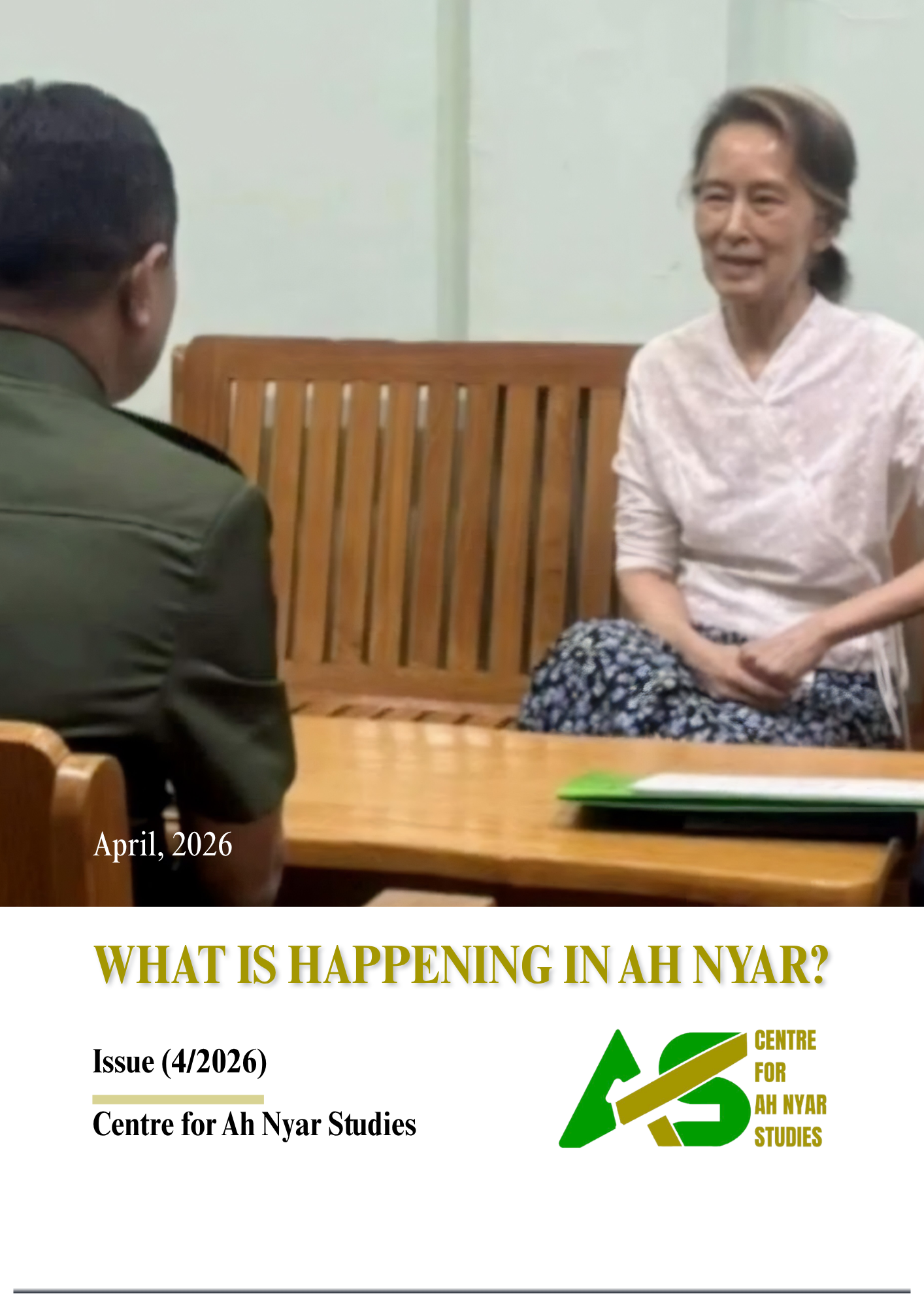
What is Happening in Ah Nyar? Issue 4/2026
What is Happening in Central Burma (Ah Nyar)? Issue (20/2025)
What is Happening in Central Burma (Ah Nyar)? Issue (21/2025)
With the rise of discussions around the Steering Council for the Establishment of a Federal Democratic Union (SCEF), political debate appears to have become more prominent than institutional building, in contrast to the institution-building processes observed last month across the three units of central Burma.
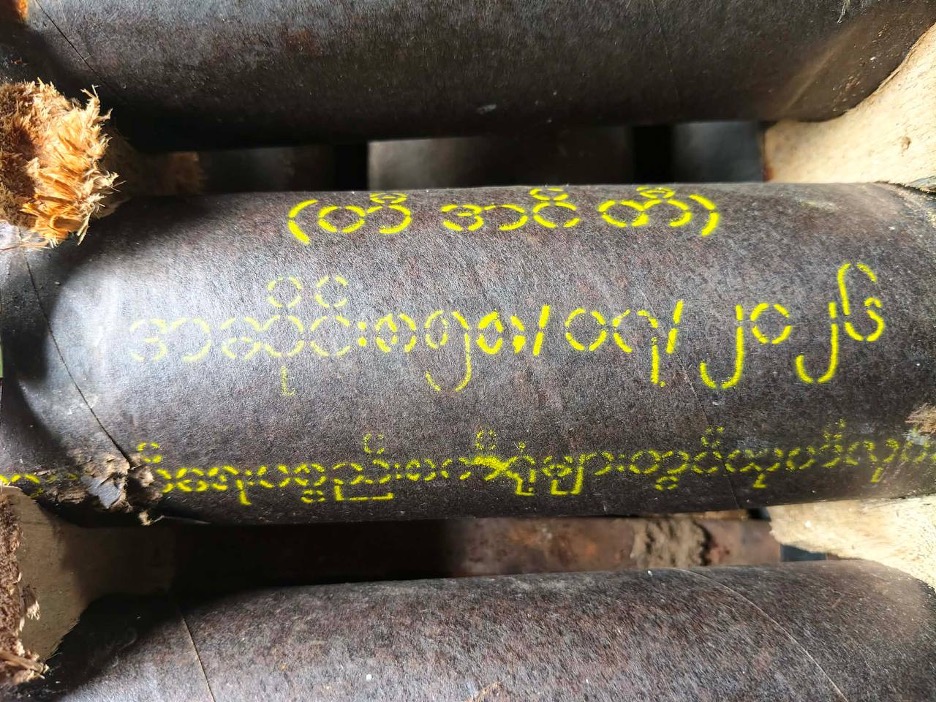
Evidence from victims’ families, eyewitnesses, aid workers, photographs and weapon remnants indicates patterns of extrajudicial killings, severe ill-treatment, destruction of civilian property and attacks affecting civilian areas.
Resistance governance and federal institution-building advanced across Central Burma, while intensified military offensives, widespread airstrikes and a deteriorating human rights situation caused escalating civilian casualties, displacement and insecurity throughout Sagaing, Magway and Mandalay.
Our evidence indicates that the military operation extended beyond engagements with resistance forces and had a serious impact on civilians and civilian properties, including homes, cultural and religious heritage and civilian infrastructure.
Renewed military offensives along the India–Burma Friendship Road triggered fresh displacement, particularly around Khampat and Yarzagyo in Sagaing Region.
In contemporary conflicts, authority is measured not only by who holds territory, but by who can govern, supply, finance and connect it. The ability to sustain economic and administrative systems ultimately determines whether military control can be translated into durable political authority. To put it simply, modern revolutions are not won through political narratives alone. They are won through the capacity to govern, mobilise resources and maintain functioning systems that sustain both resistance and society.
Federal Unit Governments in Ah Nyar continued to consolidate interim governance structures and deepen political coordination amid the re-escalation of conflict in the region.
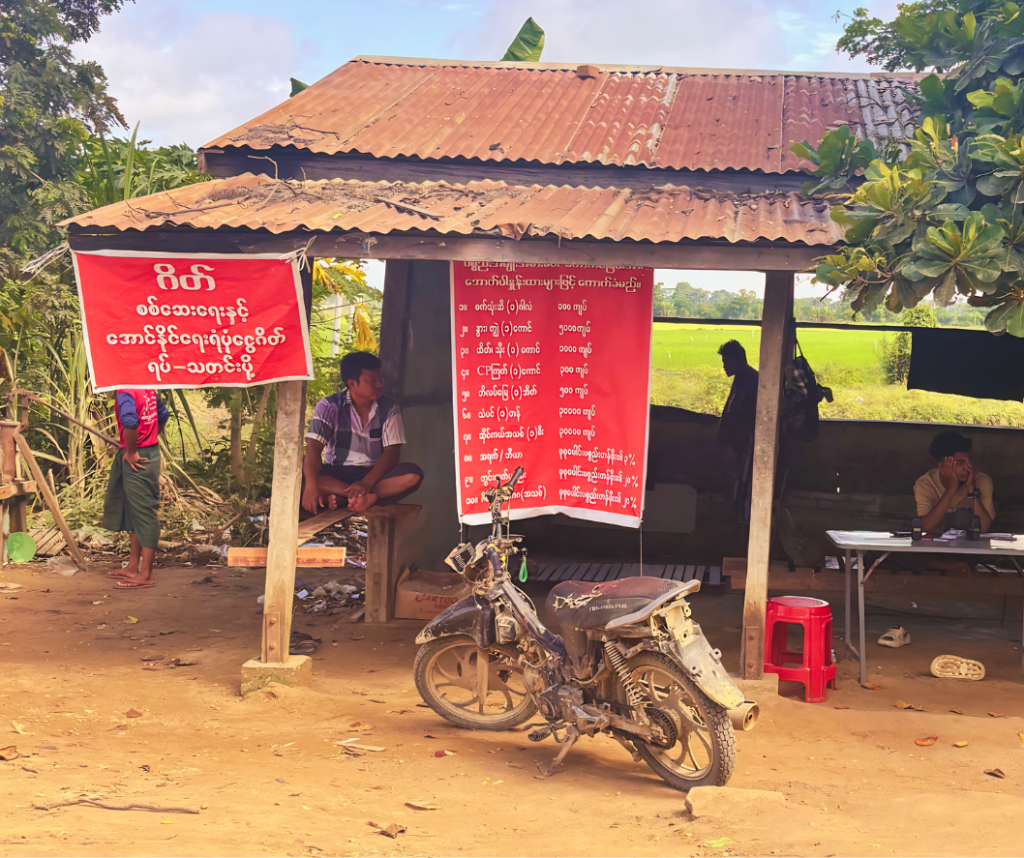
As of 2026, local resistance forces in Magway controlled two of the seven oil fields under the union government’s authority. The two major oil fields located in Pakokku, Myaing, and Pauk townships are currently under the management of the resistance administration. Oil and gas from these fields provided supplies for the Refinery Industry in Chauk township through Kamma and Pakokku.