Tag: Politics

  • Myanmar’s Conflict Is No Longer a 20th-Century Revolution

    Myanmar’s Conflict Is No Longer a 20th-Century Revolution

    Myanmar’s Conflict Is No Longer a 20th-Century Revolution

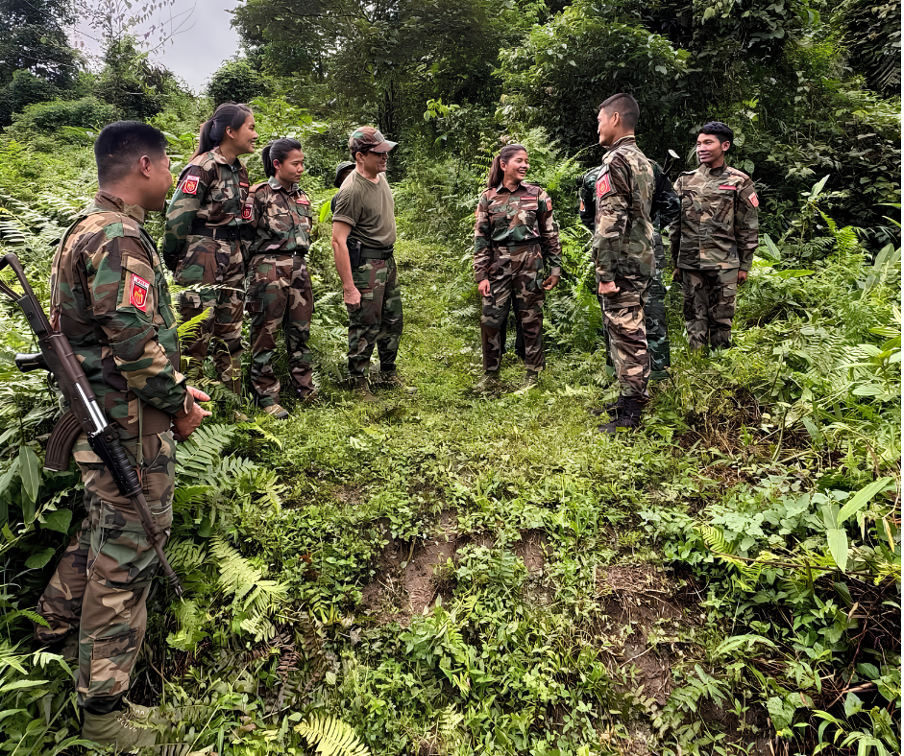
    PDF Fighters in Magway (Photo: Thanlwin Myanmar Media)

    The recent diplomacy between the United States and China should serve as a wake-up call — particularly for many of Myanmar’s institutionalised political and civil society elites who continue interpreting the country’s crisis through outdated frameworks rooted mainly in identity politics, symbolic advocacy and old political binaries. Myanmar’s conflict has already evolved into something far more complex: a hyper-modern war economy shaped by trade survival, logistics control and technological integration. The battlefield today is no longer determined only by ideology or ethnicity. Increasingly, it is shaped by who controls trade routes, financial circulation, resource corridors, and technological infrastructure. Across Myanmar’s conflict landscape, from EAO and PDF to Pyu-Saw-Htee militias, BGF and the Tatmadaw, the survival and influence of armed actors ultimately depend on their ability to contest and control these key sources.

    A quick examination of the conflict reveals that control over ammunition, medicine, fuel, internet access and food supplies is just as important as control over territory. None of these essentials can be sustained without functioning financial and trade networks operating across multiple levels—from northern Shan to Mandalay and from central Burma to the country’s western frontier. Without these systems, territorial control remains nominal rather than substantive.

    This explains why some of the fiercest battles are fought not merely over symbolic locations but over strategic trade corridors, logistical hubs and resource-rich areas. In contemporary conflicts, authority is measured not only by who holds territory, but by who can govern, supply, finance and connect it. The ability to sustain economic and administrative systems ultimately determines whether military control can be translated into durable political authority. To put it simply, modern revolutions are not won through political narratives alone. They are won through the capacity to govern, mobilise resources and maintain functioning systems that sustain both resistance and society.

    Border Gateways and Resource Corridors

    The fighting across northern Shan, Karen, Kachin, Chin and the borderlands adjoining Thailand, India and China is deeply intertwined with the control of customs gates and cross-border trade routes. Whoever controls these gateways controls taxation, revenue generation and ultimately, political authority. The recent developments in Kutkai illustrate this reality. The MNDAA reportedly moved against its long-standing ally, the TNLA and dismantled the latter’s administrative presence in the town. Kutkai is not merely a military objective; it sits on the strategic trade corridor linking Mandalay, Muse and China.

    The significance of such locations lies in their economic value. Trade flows through these corridors generate substantial revenues that finance administrative structures, public services and military operations. Whether under the control of ethnic armed organisations, resistance actors, or the junta, these revenues provide the resources necessary to sustain governance and project power. In many respects, the struggle for border crossings and trade routes is as consequential as the struggle for territory itself.

    Similarly, many conflict zones overlap directly with strategic resource corridors linked to rare earth mining, crude oil and other critical minerals. The struggle over China-bound supply chains, Thailand-linked trade networks, India-linked illicit economies and extractive zones is not accidental. For example, fierce contestation across Kachin State is closely tied to access to rare earth mining areas that supply China’s high-tech and renewable energy industries. According to Global Witness, Myanmar’s heavy rare earth trade was worth approximately US$1.4 billion in 2023, while exports of heavy rare earth oxides to China more than doubled from 19,500 tonnes in 2021 to 41,700 tonnes in 2023.

    A similar pattern can be observed in central Burma. Recent research by the Centre for Ah Nyar Studies highlights how contestation over oil and gas infrastructure in Magway has become increasingly intertwined with emerging governance arrangements. Petroleum fields, transport routes, taxation systems and local administrative mechanisms have become sites of competition between revolutionary actors and the junta.  Likewise, competition over jade, gold, timber and border trade routes has long shaped the political economy of conflict in northern Myanmar, while battles around key crossings in Karen and Shan States remain inseparable from the revenues generated through formal and informal cross-border commerce. In many cases, the real strategic value lies not in the land being contested, but in the economic infrastructure that runs through it.

    The Digital Frontline

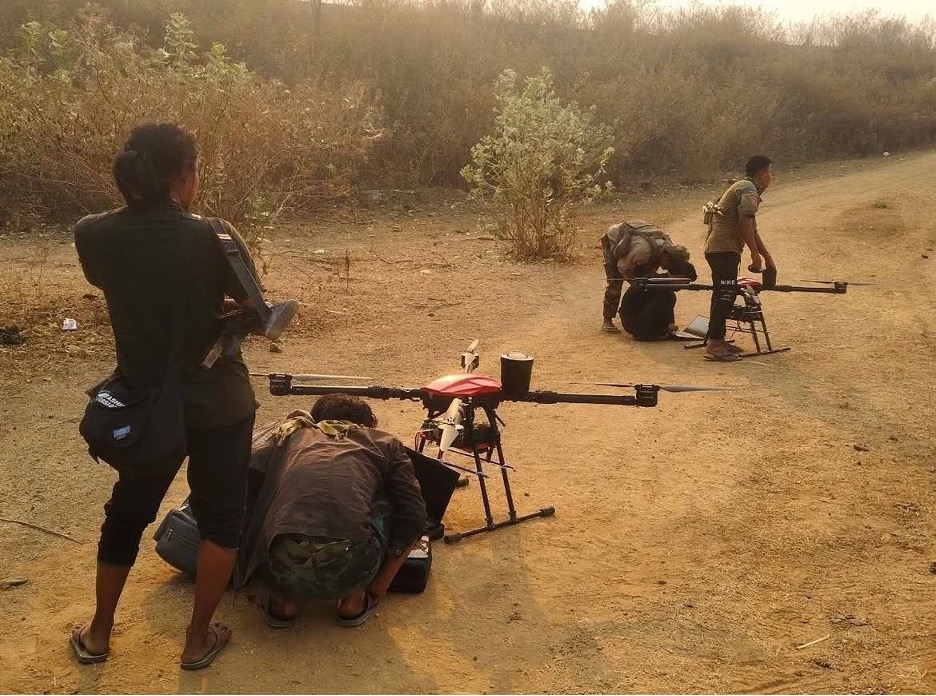
    Ethnic resistance movements have been among the greatest beneficiaries of Generation Z’s efforts to digitalise the revolution, from the use of drones on the battlefield to the mobilisation of financial resources. Like it or not, the Spring Revolution has fundamentally digitised Myanmar’s conflict. At the same time, digital infrastructure has become more critical than ever for the resistance movement, governance and, most importantly, the functioning of the emerging economy in resistance-held areas. Adding to this, Myanmar’s formal banking system has been severely weakened by militarisation, state surveillance, sanctions pressure, economic decline and repeated systemic disruptions. As confidence in formal financial institutions has eroded, communities have increasingly turned to mobile wallets, crypto-linked transfers, informal hundi networks and other decentralised financial mechanisms. Diaspora remittances, humanitarian assistance, procurement financing and even battlefield logistics now flow through hybrid financial ecosystems involving USDT, encrypted communication platforms, digital payment channels and cross-border transfer networks. In many respects, resistance financing has evolved beyond conventional fundraising models. It increasingly resembles a decentralised wartime fintech system, capable of moving resources across borders, circumventing state controls and sustaining both governance and resistance activities in contested territories.

    Likewise, connectivity is increasingly moving beyond the reach of state control. Satellite internet systems such as Starlink enable communities to bypass internet shutdowns, communication blackouts and state surveillance mechanisms. Across Ah Nyar, particularly among displaced populations, connectivity is no longer simply a matter of communication. It has become a critical enabler of education, emergency coordination, access to healthcare, financial inclusion, documentation of human rights abuses and maintaining social ties under wartime conditions. More importantly, connectivity enhances resilience. Communities with access to the outside world are better able to mobilise resources, share information, access services and maintain links with diaspora networks. In this sense, digital connectivity functions as both social infrastructure and a form of civilian protection. A connected village is not only better informed; it is also harder to isolate, intimidate, or control psychologically and politically.

    Beyond Symbolic Politics

    This does not mean that questions of ethnicity, discrimination, gender inequality, or historical injustice have disappeared. They remain deeply embedded in Myanmar’s social and political fabric. Yet much of the country’s political discourse continues to approach these issues through frameworks of representation and recognition inherited from previous decades, often overlooking the profound transformation of the material conditions that shape people’s lives.

    For millions living under protracted conflict, the struggle is increasingly about access rather than symbolism. Access to essential supplies, including energy and finance, has become as consequential as access to political representation itself. Communities are not merely demanding a seat at the table; they are seeking the capabilities necessary to survive, adapt and shape their own futures.

    Beyond symbolic politics, Myanmar’s future will be shaped not only by political settlements, military outcomes, or constitutional arrangements, but by whether emerging systems can genuinely expand human capability. Despite all the discussions about trade corridors, digital finance, AI, drones, crypto systems and geopolitical competition, the central question should never be forgotten: How can human beings live with dignity, safety, and opportunity under rapidly changing realities? Access to education, healthcare, connectivity, finance, energy and security increasingly determines whether people can build meaningful lives. Ultimately, the success of any revolution should be measured not by the power it accumulates, but by the opportunities and dignity it creates for ordinary people.

    Let Pan Ni is an independent researcher specialising in the social dynamics of Myanmar’s central dry zone (Ah Nyar). Her research focuses on bridging the gap between realities on the ground and international policy frameworks.

    The views and analyses presented in this commentary are solely those of the author and do not necessarily reflect the positions of the Centre for Ah Nyar Studies.

    Cite this Article: Centre for Ah Nyar Studies, (2026, June 10). “Myanmar’s Conflict Is No Longer a 20th-Century Revolution”. Op-ed, Centre for Ah Nyar Studies. https://ah-nyarstudies.org/myanmars-conflict-is-no-longer-a-20th-century-revolution/


    [cas_related]

  • Petro-Contestation and Emerging Governance Orders in Magway

    Petro-Contestation and Emerging Governance Orders in Magway

    Petro-Contestation and Emerging Governance Orders in Magway

    Bo Let Yar and Ye Htun Zaw attend the closing ceremony of the first cohort training of the Magway Federal Unit Guard Force. (Photo: Mandalay Free Press)

    This situational analysis is produced under Ah Nyar Studies as part of our broader effort to inform developments in central Burma and advance contextual understanding of the region. The analysis examines post-coup dynamics of natural resource control in Magway, with particular attention to the oil industry’s strategic importance to armed actors. It explores how oil fields have become embedded within evolving conflict structures and shaped authority, revenue generation and local governance.

    In addition to an extensive review of secondary sources, the analysis draws on nine key informant interviews with individuals possessing expert knowledge of the subject matter, including senior CDM staff formerly employed in oil fields in central Burma.

    Introduction

     After the 2021 coup, oil fields (locally known as Yae Nan Hmaw or Yae Nan Myay) have become contested strategic assets, where control over production and revenue is increasingly fragmented among the military regime, the NUG and local resistance groups, with significant implications for governance, security and energy access for people. These groups have been heavily contested across Magway, particularly in resource-rich townships.

    As of 2026, local resistance forces in Magway controlled two of the seven oil fields under the union government’s authority. The two major oil fields located in Pakokku, Myaing, and Pauk townships are currently under the management of the resistance administration. Oil and gas from these fields provided supplies for the Refinery Industry in Chauk township through Kamma and Pakokku.

    What do these oil fields and routes mean to resistance groups in Magway? How do these resources define the fate of the resistance movement and governance?

    Active Oil Fields in Magway

     Myanmar’s crude oil production is sourced from both onshore oil fields and offshore oil and natural gas blocks. There are at least ten onshore oil fields across the country, of which seven are in Magway. Major production comes from Yenangyaung, Chauk, Mann Yae Nan Myay, Pyay Yae Nan Myay, Shwepyitha (Myan-aung), and the Myaing–Pauk areas, according to senior officials who worked in the industry and now joined CDM. Among these, the Yenangyaung, Chauk, and Mann Yae Nan Myay in Magway Region are among the oldest in the country and have historically been among the most productive.

    The Htauk Shar Pin Oil field historically referred to the oil-producing area south of Minbu, beginning from Ta Pin village and extending through the areas around Htauk Shar Pin, Kywe Tho Myaung, Shwe Yaung Taung, and Hpa Lan Yone villages. The Kanni Oil field refers to the oil-producing area around Kanni village at the southern edge of Minbu township, including the surrounding areas of Htein Taw and Pike Pin villages. At present, the Htauk Shar Pin and Kanni oil fields in Minbu township, together with the Htan Kaing and Yae Nan Ma oil fields in Minhla township, are collectively referred to as the Htauk Shar Pin–Kanni Oil fields.

    The Sabe–Thagyitaung oil fields are located along the route from Pakokku through Kyun Chaung toward Seikphyu township, forming part of a broader oil belt that stretches across the country’s centre. According to a local source from Myaing township, this petroleum belt extends from Padauk Kone village in Pale Township, Sagaing Region, southward through areas such as Nyaung Ma, Sin Swei, Wei Taung, and Su Win, before continuing toward Thagyitaung and the Si Kaung area near the Bagan River port (of Irrawaddy River).

    Other major oil fields in Magway include Kyauk Khwet and Hpa Lan Kaine in Myaing and Pauk townships, as well as Wei Taung, Suwin, Nyaung-ma, Htan Kaing, Sabe–Thagyitaung, and parts of the broader Pakokku–Myaing–Pauk oil belt. Local sources describe the area stretching along the ASEAN Road between Myaing and Pauk as one of the main concentrations of hand-dug oil wells and small-scale extraction sites. Some areas, particularly Kyauk Khwet from Myaing township and Hpa Lan Kaine from Pauk township, are also known for their relatively high oil output, with local sources describing some wells as producing large volumes of crude oil.

    Seven Oil Fields in Magway. Two in the yellow zones are under the control of resistance groups.

    Unlike smaller hand-dug wells common in other parts of the central dry zone, some deposits in these mountainous areas reportedly require deeper and more mechanised extraction methods. In recent years, however, extraction methods have gradually become more mechanised with the increased use of machinery and technical equipment.

    Traditional Hand-Dug Well or Let Yet Twin

    Apart from the said major onshore oil fields, there are several tiny oil fields spreading across Magway. These are better known as Let Yet Twin, as locals call them. Traditional hand-dug wells in the region can reach depths of thousands of feet, with workers manually drilling, lowering equipment, and extracting crude oil under difficult conditions. According to Magway government records , there were 45 existing shallow hand-dug oil blocks and 11 newly approved blocks operating in Magway Region in the 2016–2017 fiscal year. This expansion continued into the 2017–2018 cycle as authorities approved 20 license extensions and 12 new permits, generating over 1.5 billion kyats for the regional fund in a single year. These figures represent the last phase of formal stability before the sector became contested; by the 2018–2019 fiscal year, the region’s output from seven major oil fields reached over 2.1 million barrels of crude oil, followed by nearly 3.5 billion cubic feet of natural gas in the 2019–2020 period.

    Resistance Control over Oil and Natural Gas Fields in Magway

    Resistance groups have gained control over oil fields and surrounding communities across Myaing, Pauk and Kamma townships, including two major oil fields previously under the authority of the union government. These are Kyauk Khwet–Let Pan To and Hpa Lan Kaing oil fields in Myaing and Pauk townships and Sabe-Thargyitaung oil field in Pakokku township.

    Earthquake People’s Defence Force fighters in front of a security station of Kyauk-Khwet Oil Field (Photo: Earthquake People’s Defence Force)

    According to U Zaw Min, Minister of Planning and Finance in 2020, these oil fields produced not only crude oil but also natural gas prior to the expansion of resistance control. Official data indicates that the annual natural gas production capacity in FY 2019–2020 reached 3,480 million cubic feet across five major oil fields, including the two now under resistance control.

    Local sources connected to resistance administrations in Myaing and Pauk confirmed the continued extraction of crude oil, but noted technical limitations regarding natural gas production, stating that:

    “We are only capable of producing crude oil from these two fields, but not natural gas due to technical requirements.”

    Magway regional government data further reported that total regional natural gas production capacity reached 4,554 million cubic feet in FY 2017–2018 and 3,739 million cubic feet in 2018–2019. The gas was distributed across Magway and Mandalay Regions to supply state-owned industrial facilities, including cement and cotton factories. Apart from these two major oil fields, resistance forces also control numerous traditional hand-dug oil wells across Magway, particularly in the areas of Myaing, Pauk, Kamma and Pakokku.

    Refinery Industries

    Magway is a major refinery spot for Myanmar’s petroleum sector. Two of the three major refineries are located in the region. They are;

    • The Petrochemical Complex, locally known as Man Thanbayakan, is located near Minhla Township in Magway Region. The facility was constructed in 1982 by Mitsubishi Heavy Industry with a design refining capacity of 25,000 barrels per stream day (BPSD), and production commenced in 1986. Historically, the complex processed crude oil primarily sourced from the Mann Yae Nan Myay and Htauk Shar Pin–Kanni oil fields. Its products include gasoline, diesel, ATF (aviation turbine fuel), LPG, kerosene, fuel oil (FO) and petroleum coke (pet coke). According to official information, the current operational capacity is approximately 8,500 BPSD (around 300,000 gallons per day), depending on the availability of locally produced crude oil. The facility is also reportedly undergoing upgrading and modernisation works.
    • The (2) Refinery in Chauk Township is one of the oldest refineries in Myanmar. Built in 1954 by the Foster Wheeler Company of England, the refinery consists of an atmospheric distillation tower, a vacuum tower and wax extraction plants, with a design processing capacity of 6,000 barrels per stream day (BPSD). The facility historically processed only locally produced crude oil, primarily sourced from the Chauk and Yenangyaung oil fields, as well as crude oil extracted from the Kyaut Khwet and Lat-pan-to oil fields in Pauk and Myaing townships. Crude oil from the upper part of Magway was transported via pipeline to the Ayadaw Oil field near Tant-Kyi-Taung in Pakokku Township before being sent onward to the refineries in Chauk. In addition to crude oil transportation, natural gas extracted from the Kyaut Khwet field was previously transported by pipeline to Aya-daw and industrial facilities in Wazi to support factory operations. The refinery historically produced gasoline, kerosene, diesel, wax, fuel oil (FO) and blue oil. However, according to official information, the plant was shut down on 5 March 2019 due to the declining availability of local crude oil and natural gas.

    Their combined output accounted for only around 3 per cent of domestic fuel consumption.

    Map Showing Refinery Industries in Magway

    The Recent Deal with the Chinese Corporation for Htauk Shar Pin-Kanni Oil Field

    According to state media reports published on 12 April 2026, the Ministry of Electricity and Energy of the Naypyitaw regime signed an agreement with China-based North Petro-Chem Corporation (Myanmar) to increase crude oil production at the Htauk Shar Pin–Kanni oil field in Minhla township. The company, with its mother corporation in Xi’an, northern China, is closely associated with the Belt and Road Initiative. The company started Myanmar operations in 2011 with its principal activity for the extraction of crude petroleum and natural gas, as stated in Myanmar’s official source. It has been involved in Myanmar’s petroleum sector for more than a decade through exploration and production projects.

    On 10 April 2026, the agreement was reportedly concluded shortly after the formation of the newly formed Naypyitaw regime led by ex-general Min Aung Hlaing. Myanmar state media reported that the initiative aims to boost domestic crude oil production in response to Myanmar’s heavy reliance on imported fuel, which accounts for approximately 97% of national consumption, and to help alleviate ongoing fuel shortages. The details of the agreement remain unknown.

    Signing Ceremony for Hautkshabin-Kanni oil field between the Chinese Company and MOGE (Photo: Global New Lights of Myanmar)

    Under the evolving landscape of natural resources politics in Central Burma, four key issues emerge that shape how oil fields are contested, governed, and integrated into the broader conflict economy.

    1) How is the conflict economy structured around oil fields?

    The conflict is increasingly shaped by a fragmented and adaptive political economy rather than fixed territorial control. Since the 2021 coup, oil-producing areas such as Htauk Shar Pin–Kanni and the Myaing–Pauk fields have become contested economic nodes where authority over extraction, transport, and taxation is dispersed among the military, resistance structures, and local actors. While formal ownership often remains with state-linked institutions, actual control on the ground is fluid and continuously negotiated.

    In particular, mature fields like Htauk Shar Pin–Kanni, where most reserves have already been exploited and production is technologically constrained, retain strategic value not because of untapped resources, but because of their integration into wider supply chains and refining systems, including the Mann Thanbayarkan refinery. Within this system, brokers and traders play a critical but less visible role by facilitating the movement of crude oil, refined fuel, and essential goods across conflict lines. These intermediaries operate through highly flexible arrangements, often engaging with multiple armed actors simultaneously and shifting allegiances based on access, security guarantees, and profit margins. As a result, the conflict economy is sustained not only by armed actors but by a network of commercial agents who mediate flows of fuel, taxation, and information.

    2) How are local armed actors competing over oil fields?

    Myaing and Pauk townships have been resistance stronghold areas since 2021. Several local resistance groups exist alongside the NUG’s 3P-forces and LID 101 of Tatmadaw. Some of them are Ah Nyar Myay Alliance (အညာမြေတပ်ပေါင်းစု), Myaing Villages Revolution Front, Earthquake People’s Defence Force  and Myaing Solidarity Alliance (မြိုင်ညီညွတ်ရေးတပ်ပေါင်းစု), Ghost Of Enemies-GOE Revolution and Southern Yesagyo PDF. The competition among armed actors is structured around control of infrastructure rather than the oil wells themselves. Local resistance forces, including the “3Ps” (people’s defence, administration, and security teams), have consolidated influence by embedding themselves within the oil economy—taxing extraction, regulating access to drilling sites, and controlling key transit routes. For instance, these routes are particularly important, as crude and semi-refined oil must pass through checkpoints linking Pauk–Myaing to Pakokku, Monywa, Mandalay, and beyond. Control over these corridors allows actors to extract revenue at multiple points, creating layered taxation systems that can favour one side or another depending on local arrangements.

    At the same time, Tatmadaw continued to rely on fixed checkpoints and garrison-based control, particularly along major transport axes, requiring goods from certain areas to be channelled through junta-controlled routes. However, the system is not purely adversarial. In practice, there are negotiated flows of commodities—such as rice, fuel, and basic goods—where both sides tolerate or facilitate movement that sustains local economies. This produces a form of transactional coexistence, where economic interdependence tempers military confrontation. Nevertheless, the strategic objective for Tatmadaw remains clear: to regain control over oil-producing zones like Pauk in order to cut resistance revenue streams and re-establish centralized control over fuel distribution, through its continuous raids and aerial attacks.

    3) How do external and allied actors fit into this system?

    China’s involvement is primarily anchored in long-term investments and infrastructure, including pipeline corridors and pre-existing production agreements, some of which date back to before 2015 with contract durations spanning 30–50 years. Recent agreements to increase production at fields such as Htauk Shar Pin–Kanni likely suggest continued interest in maintaining output despite the field’s age and technical limitations. The potential reasons could be seen as to

    First, they may have broader strategic and resource interests in the area beyond oil production, including the potential for coal extraction in central Myanmar. For instance, strategic oil and gas pipeline routes pass through areas such as Ngape, Minbu, and Yenangyaung, while coal-related projects and extraction sites have also been linked to areas around Ngape, Padan, and Minbu. According to local sources, several of these projects are owned, operated, or backed by Chinese-linked companies and investors.

    Second, many Chinese companies had already entered Myanmar’s oil and gas sector long before the 2021 coup through long-term exploration and production agreements. Third, as many Western and foreign companies withdrew from Myanmar after the coup, competition in the sector weakened significantly. This created opportunities for Chinese companies to secure market access, expand their influence, negotiate favorable terms, and establish a stronger foothold in Myanmar’s energy sector with fewer competitors.

    Meanwhile, the role of the Arakan Army (AA) appears to operate through logistical and commercial linkages. For instance, fuel produced in Myaing–Pauk is reportedly refined into usable forms and transported toward Chin and Rakhine areas, where it supports both civilian and military needs. Within this system, brokers and trading networks potentially serve as intermediaries connecting Central Burma’s oil economy to AA-aligned supply chains, reflecting a pattern of alliance-based resource sharing. At the same time, constraints on arms purchase and financing among resistance groups may increase reliance on such resource-based networks. As a result, Magway’s oil fields are not isolated assets but form part of a wider, interconnected conflict economy that links production zones in Magway to operational theatres in Chin and Rakhine which reinforces the strategic significance of even declining oil fields.

    4) Tensions in Myaing and Pauk Townships

    Magway Federal Unit is a recently emerged political unit within the Spring Revolution, shaped through the interim constitutional arrangement that recognises the National Unity Government of Myanmar as the union/federal government. The arrangement establishes three branches of power: legislative, executive and judicial. NLD lawmaker Ye Htun Zaw, elected from Constituency No. 2 of Min Hla Township, serves as the Chief Minister of the newly formed government, while youth activist Chit Win Maung serves as his deputy, representing the bloc of unions, women’s organisations, youth organisations and people’s strike committees from the Spring Revolution.

    Magway Federal Unit Government (2026)

    Magway has emerged as a unit within the evolving federal model, with the authority to establish armed forces at the level of a state guard. Article 114 of the constitutional arrangement provides that:

    “The Magway Federal Unit Government shall, in consultation with the National Unity Government of Myanmar, establish the following armed forces for defence and security purposes: (a) the Magway Federal Unit Guard Force; and (b) the Magway Federal Unit Security Force / Police Force.”

    In practice, however, the situation is far more complex than it may appear, given the fragmented landscape of armed resistance groups across Magway, despite their shared objective of resisting the military junta. Within Magway’s political geography, numerous small resistance factions, commonly known as Local People’s Defence Forces (LPDFs), operate independently across villages. Alongside them are the National Unity Government’s People’s Defence Forces (PDFs) and People’s Security Teams (PSTs), more widely known as Pa Ka Pha, active across several townships in Magway. The region is also home to ethnic minority communities and their respective armed organisations.

    These include the Yaw, Taung Thar and Asho Chin ethnic groups. The Yaw and Taung Thar communities are indigenous populations inhabiting the Pon Taung and Pon Nyar hill tracts in north-western Magway. In these hilly areas, the Yaw Army and the Yaw Defence Force are the predominant local armed groups. Both identify themselves as Ethnic Armed Organisations/Revolutionary Organisations (EAOs/EROs) and advocate for self-determination in the region. At the same time, major battalions and PSTs (Pa Ka Pha) under the Ministry of Defence of the NUG are active across the three townships of Gangaw, Tilin and Saw.

    The Asho Chin (also known as Plains Chin) are a small ethnic subgroup of the broader Chin ethnic population inhabiting lowland areas of Myanmar, particularly in western Magway. Following the military coup, two major armed groups emerged within the community: the Asho Chin Defence Force (ACDF) and the Chin Defence Force–Asho (CDF-Asho). Both maintain connections with resistance forces operating in the hilly areas of Ngape and Sidoktaya townships along the Magway–Rakhine border. Both groups advocate for ethnic liberation and self-determination.

    These local armed groups have been substantially integrated into the political processes of drafting of the Magway interim constitutional arrangement and formation of the Magway Federal Unit Government. They constitute two of the seven representative blocs shaping the political process and institutional development of the Magway Federal Unit.

    Beyond these two ethnic armed branches, several other LPDFs continue to operate alongside the NUG’s PDFs and PSTs. These include groups such as the People’s Revolution Alliance (Magway), the Southern Yesagyo PDF and the United States of Burma Army (USBA). While some maintain affiliations with the NUG, others operate independently outside the formal NUG command structure.

    Within this fragmented security landscape, security governance in Magway remains inherently challenging, beyond the influence of the NUG alone. The petroleum sites in the resistance strongholds of Myaing and Pauk Townships have constituted particularly intense contestation among the various security actors operating in Magway. More recently, following the formation of the Magway Federal Unit Government and its attempt to establish a Unit Guard Force, Chief Minister Ye Htun Zaw and Security Minister Let Yar attended the closing ceremony of the first cohort of Guard Force training. The event subsequently sparked existing complexities and tensions within the regional dynamics between LPDFs, the NUG and the Magway Federal Unit.

    Bo Let Yar and Ye Htun Zaw attend the closing ceremony of the first cohort training of the Magway Federal Unit Guard Force. (Photo: Mandalay Free Press)

    The NUG reportedly mobilised hundreds of PDF personnel to the area amid claims that the operation aimed to capture Bo Let Yar. However, Soe Thura Zaw, a senior official from the Ministry of Defence, denied the accusation, stating that the situation was not a dispute between the Magway Federal Unit and the NUG. He further rejected claims that the operation concerned control over petroleum sites. According to him, the operation had two primary objectives: (1) to undertake corrective and chain of command measures in response to issues relating to the Myaing PST, following unsuccessful attempts to impose administrative action in 2024 and 2025; and (2) to deploy forces for security duties to protect petroleum sites placed under union/federal management. In response to Soe Thura Zaw’s statement, Chief Minister Ye Htun Zaw wrote on his Facebook that the conflict was associated with resource governance. He further stated that senior NUG officials needed to adhere to the decisions jointly agreed upon between the NUG and the Magway Federal Unit on 5 April 2026 regarding the management of petroleum and related products. Coinciding with the timing of the incident, 42 local PDFs operating in the area and across Magway issued a statement on 18 April 2026 declaring that the groups would affiliate with the Magway Federal Unit under its military command structure.

    Adding to this contestation, Tatmadaw’s LID 101, based in Pakokku and backed by Meiktila-based LID 99, launched a large-scale mobilisation of troops along the main roads connecting Pakokku to Pauk, Myaing and Yesagyo. This triggered the most recent escalation of conflict from late April through to the time of writing of this briefing paper. Thousands of villagers from the three townships have reportedly fled to farmlands and neighbouring villages. More recently, junta forces raided and burned houses in several villages in Yesagyo Township.

    The recently adopted constitutional arrangement of the Magway Federal Unit establishes a policy framework for the sharing of revenues and financial interests between the NUG and the Unit (Section 129), while the Unit retains legislative authority over natural resources (Section 169(d)).

    Conclusion

    Three major contested zones can be observed within Magway’s resistance landscape:

    • The eastern bank of the Ayeyarwady River, particularly the Salay-Chauk-Gwaycho plain;
    • The upland areas on the western bank of the Ayeyarwady River, particularly Minhla, Ngape, Sidoktaya, Mindon and Thayet townships;
    • The Bhan-Kywe and Pa-Khan plains (In Burmese: ဗန့်ကျီ-ပခန်းလွင်ပြင်) (Yesagyo, Myaing, Pale and Yinmarbin townships) and the Pon Taung-Pon Nyar Hills.

    Key Takeaways

    • Security and political contestation are likely to intensify further in resource-concentrated zones and key transportation corridors. These dynamics will involve not only confrontation between the Tatmadaw and resistance forces but also growing competition between the Magway Federal Unit and the NUG.
    • The petroleum agreement between the Chinese company and the Naypyitaw regime represents a development that warrants close attention. It may be understood as more than merely technical assistance from China for petroleum production, carrying potentially significant implications for regional security and political dynamics.
    • The ways the NUG and the Magway Federal Unit manage disputes concerning the administration of petroleum fields in the Myaing-Pauk area will test the integrity of the Magway Federal Unit’s political arrangement. At the same time, the case presents an important point of reference for other emerging federal units and states in Burma.
    • The influence exercised by Arakan and Chin revolutionary organisations, operating within broader alliance frameworks, over Magway’s petroleum fields and strategic transportation routes has become a significant factor shaping the region’s security and political developments. In particular, the security and political positioning of revolutionary forces operating in the Pon Taung-Pon Nyar Hills and the Arakan Yoma hill tracts – areas aligned with the Arakan Army – are becoming critical determinants in Magway’s evolving conflict and political landscape.

    Cite this article: Centre for Ah Nyar Studies. (2026, May 15). Petro-Contestation and Emerging Governance Orders in Magway [Situational Brief]. Centre for Ah Nyar Studies.


    [cas_related]

  • Ah Nyar’s Big Questions in 2026: Where Are We Headed?

    Ah Nyar’s Big Questions in 2026: Where Are We Headed?

    Ah Nyar’s Big Questions in 2026: Where Are We Headed?

    Photo: Villagers from Pauk Township, Magway Region, fleeing their homes. (Credit: Khit Thit Media)

    Six years into Burma’s Spring Revolution, the political landscape is shifting once again and not always in ways the resistance had imagined. National Unity Government has declared a multi-stage reform process in response to escalating public frustration from its own support base. Questions about effectiveness, coordination, and accountability are no longer whispered concerns; they are openly debated online and across liberated areas. At the same time, Operation 1027 of the three Brotherhood Alliance (MNDAA, AA and TNLA) has effectively stalled. Beijing’s mounting pressure on the alliance has altered battlefield calculations and reminded all actors that geopolitics remains a determining force in Burma’s conflict. Adding to this fragile equation, the junta’s renewed push for general elections has been widely dismissed as a political manoeuvre rather than a genuine democratic transition. Labelled a “sham” by much of the international community, including ASEAN, the elections underscore the regime’s attempt to repackage military rule in civilian clothing. These events emerged as defining features of Burma’s political landscape in late 2025. Amid these developments, central Burma — known locally as Ah Nyar — has quietly become one of the most consequential political arenas of 2026.

    Sagaing, Mandalay and Magway have announced the formation of federal unit governments. This signals a significant shift from resistance mobilisation to sub-national political structuring. Since the coup d’état in 2021, the central dry zone has been more than a resistance stronghold; it has served as the backbone of the NUG’s de facto authority. The formation of federal unit governments was welcomed by the NUG, states and regional parliaments, and non-violent movement coalitions such as CDM and People’s Strike Groups. Somewhat unexpectedly, ethnic revolutionary organisations refrained from expressing their positions or formally acknowledging the establishment of the federal unit governments. NUG Acting President stated, “to establish a better system of governance for the Sagaing region” in his speech during the seventh regular meeting of Sagaing Federal Unit Hluttaw, introducing the cabinet.

    Federal Foundations or Parallel Power Centres?

    The newly emerged federal unit governments in Ah Nyar raise two fundamental questions. Are these sub-national governments creating parallel power centres? Or are they laying the foundations of a future federal union?

    The revolution may have achieved its immediate objective of removing the Naypyitaw regime over the past five years if the major groups had reached a consensus and formed a unified military alliance. However, it failed to bring smaller factions together under a coherent strategic direction. This means that the Spring Revolution has developed within a fragmented reality. That said, the reason why the federal units in central Burma emerged can generally be conceptualised in three ways. First, resistance forces in the region spread across villages and townships (around 87 townships), which makes collective actions challenging. Politically, the movement lacked a coherent central nucleus to provide unified strategic direction. In the past five years, the NUG has struggled to bring these dispersed forces under a coherent organisational framework. Second, a political foundation was already in place. The Federal Democracy Charter, NLD’s federal principles (Suu’s six principles) and the continuing legitimacy of 2020 elected MPs provided both normative and institutional grounding. Many of these MPs remained active in Ah Nyar and liberated areas. Taken together, these reinforce the case for formalised federal units. Third, perceived shortcomings of the NUG in Ah Nyar accelerated local initiatives. Weak coordination with emerging grassroots leaders, ineffective rebel governance and concerns over resource distribution contributed to demands for more autonomous regional structures.

    The federal units have formally recognised the NUG as the central authority of the revolution and the interim federal government. In military affairs, their mandate is limited to unit-level security forces to effectively function as unit guard forces, while PDFs remain under the existing NUG command. Section 139 of the Sagaing Constitution states, “The following armed forces may be established in consultation with the National Unity Government: (a) the Defence Force of the Unit; and (b) the Security Force/Police Force of the Unit.” Section 114 of the Magway Interim Arrangement reflects a similar provision, while the Mandalay Interim Arrangement does not mention any security arrangements. Foreign affairs are fully vested in the centre and reaffirm the NUG’s exclusive diplomatic role. Provisions in Chapter 17 of the Magway Interim Arrangement, Chapter 18 of the Sagaing Constitution, and Annexe I of the Mandalay Interim Arrangement outline power-sharing between the NUG and the units. However, the division of competency still requires careful negotiation.

    These developments could, in principle, reinforce the NUG rather than weaken it. Yet this outcome is not automatic. Critical conditions remain. Clear and durable understandings must be made, particularly on sensitive issues such as military coordination and foreign relations. The division of competencies between the centre and emerging federal units cannot be left ambiguous; it requires deliberate and structured negotiation. Given the political weight of these matters, authority must be exercised with restraint, caution, and strategic foresight.

    Governing Priorities?

    Sub-national governments are primarily functional in nature, widely described as mechanisms to deliver public services and coordinate with key stakeholders at the regional level. Their formation and structure are not unitary; rather, they are coalition-based. In Sagaing, the unit government comprises five representative blocs, while in both Magway and Mandalay, the respective unit governments are composed of seven representative blocs each. That said, and with the fragmented reality of the revolutionary landscape, the basic question arises. Can they truly make these governments work effectively? They must juggle competing priorities: confronting intensifying military pressure from the junta, navigating complex relationships with neighbouring ethnic organisations (KIO in Sagaing, AA in Magway, and TNLA/MNDAA in Mandalay) and sustaining alignment with the NUG and at the same time, building functioning sub-national governments.

    Within this reality, two priorities stand out for 2026.

    First, upper-layer political stability must be deliberately constructed. This requires stabilising the internal balance of power within the unit governments, particularly among the representative blocs, while also managing relationships with the NUG and neighbouring ethnic revolutionary organisations. Without cohesion at this level, effective governance on the ground will remain fragile and contested. To sustain this equilibrium, structured communication channels and agreed decision-making procedures must be institutionalised between representative blocs, the NUG, and neighbouring ethnic organisations. Clear mechanisms for dispute resolution should also be established to manage inevitable tensions before they escalate into political rifts. Without such frameworks, internal competition, mistrust, or overlapping claims to legitimacy will erode administrative effectiveness and weaken public confidence.

    Second, an administrative framework at the federal unit level must be clearly defined, not in rhetoric, but in practice. The 2020 electoral mandate and revolutionary legitimacy, while powerful, cannot by themselves sustain governance. Authority must be translated into systems. Federal units need functioning structures for administration, budgeting, taxation, public service delivery, dispute resolution, and coordination with security actors. Lines of authority must be codified. The boundaries between civilian leadership and armed forces must be clearly drawn. Without institutional discipline, coalition-based governments risk becoming symbolic rather than functional. Equally important is a smooth and orderly transition from the NUG’s Ministry of Home Affairs and Immigration administration to the emerging sub-national governments. This transition is not merely technical; it is political.

    The success of Ah Nyar’s sub-national governments will depend less on how broadly they are composed and more on how effectively they are structured and managed.

    Cite this article: Centre for Ah Nyar Studies. (2026, February 15). Ah Nyar’s Big Questions in 2026: Where Are We Headed? [Op-ed]. Centre for Ah Nyar Studies. https://ah-nyarstudies.org/ah-nyars-big-questions-in-2026-where-are-we-headed/ 


    [cas_related]

  • Myanmar’s Spring Revolution: Paying the Price for What We Overlooked?

    Myanmar’s Spring Revolution: Paying the Price for What We Overlooked?

    Myanmar’s Spring Revolution: Paying the Price for What We Overlooked?

    Photo: CAS

    Spring Revolution approaches its fifth anniversary. It reminds the timeline that was initially pronounced by a prominent Kachin figure. He once said, “Revolution should not take longer than five years”. Are we approaching an end? Or what are we experiencing now?

    The military regime is on its political pathway to transition, dictated by its repeated political playbook. The elections are coming, along with massive military operations across tactical spots connecting central Burma (locally known as Ah Nyar) and neighbouring ethnic states. They include operations in the Kalay-Kabaw area of Sagaing and Hakha of Chin state, Pauk, Kyauk-Htu of Magway and Mindat of Chin State and Madaya, Moegot of Mandalay and Shwe Bo of Sagaing. Tatmadaw is clearly cutting the supply chain from the eastern to the western corner of the country in preparation for its major operations. Looking back to the situation in late 2023 and 2024, it was a complete disaster for the junta. It cannot expect such huge military operations, even in central Burma, where its major weapon manufacturing factories exist. Having said that, why that turn? What has empowered the military junta for such operations? Several analytical reports have pointed out the conscription and China factors. What else could it be? I would argue that the National Unity Government and Ethnic Revolutionary Organisations mistook their strategic positions by overlooking Ah Nyar.

    Why Ah Nyar?

    Tatmadaw has regarded central Burma as its strategic heartland and a historic “white area” after its major operations in the 1960s. For the Tatmadaw, securing Ah Nyar is essential to protect the state and suppress communist and ethnic insurgencies. That said, the possibility that major armed resistance could emerge from its power centre after the 2021 coup d’état has been relatively underestimated. Two theories resonate that claim. Firstly, its structure and tactical preparations are primarily emphasised on fighting against its enemies in the mountains and positioning Ah Nyar as a test ground. Major weapon manufacturing factories are in Magway. Its regional bases are spread across peripheral states – backed by infantry battalions in the central regions. Secondly, Senior General Min Aung Hlaing’s rare confession in his Phoenix TV interview – “To be honest … I didn’t think it would go that far” — exposes the Tatmadaw’s strategic miscalculation. His remark underscores how deeply the military underestimated the potential for armed resistance in its heartland, where it has now lost major territorial control within five years of the coup.

    In addition, Ah Nyar has become the spark of the Spring Revolution. The armed resistance in the Ah Nyar region now poses a direct threat to Naypyitaw. The Ah Nyar front marks a turning point in Myanmar’s liberation struggle. It represents the collapse of the Tatmadaw central authority in the heartland. Without the support of Ah Nyar and its people, the regime risks becoming a regime without backbone.

    Politically speaking, the resistance movement in Ah Nyar is still led by local leadership grounded in different townships across the region. This stands in contrast to exile and ethnic politics, where leadership is largely dominated by foreign citizens or permanent residents of foreign countries. The military generals and their political wings have long experience manoeuvring around exile politicians and institutions, so such actors pose relatively little challenge to them. However, when Aung San Suu Kyi chose to remain inside the country and, more importantly, to remain a Burmese citizen, it became a major threat to them. That said, the emergence of domestic leadership in Ah Nyar is likely to become a political headache for the military generals. The revolution in Ah Nyar is a clear existential threat to Tatmadaw.

    Different Priorities, Divergent Strategies

    Over the last four years, NUG sought to build military cooperation and central command with Ethnic Revolutionary Organisations (ERO). Newly established revolutionary armies follow the same idea – building the armed institution first in ethnic-liberated areas, then moving to central and lower regions. Although strategic similarities were observed in the beginning, it has later become clear that the cooperation between NUG, EROs and newly established revolutionary armies is still functional. Divergent Strategies and different priorities were seen. EROs prioritised consolidating their own territories, focusing heavily on securing and expanding their influence rather than linking their regional strategies to the central regions. Likewise, certain opportunities were missed within NUG by over-emphasising EROs but paying relatively little attention to the movement in the centre. Clearly, the central command and cooperation with EROs still do not function as expected.

    In Ah Nyar, however, the resistance movement evolved progressively—from homemade weapons and landmines to coordinated operations. Several tiny factions of resistance groups in central Burma have obtained major influence over rural territories and strategic roads. Despite being a part of Ah Nyar, NUG has failed to take a strategic leadership role – leaving a leadership vacuum. Yet, despite this territorial success, the movement struggled to unify its numerous, village-based resistance groups. Ah Nyar is facing obstacles to building a coherent command and coordination structure.

    What Went Wrong?

    The 3-Ps strategy of NUG (People Administration Team, People Defence Team, People Security Team) in Ah Nyar failed to account for the realities on the ground and the timing of the revolutionary movement. While territorial control remained uncertain amid a surge of armed resistance, NUG established bureaucratic mechanisms. This not only created operational complexities but also deepened divisions within the emerging local leadership across central Burma. In this way, inter-mechanism conflict arose within the revolutionary bureaucracy. Leaders within the NUG bureaucracy appeared more focused on creating structures that favoured themselves rather than on fighting the military junta.

    NUG focused excessively on coordinating militarily with ethnic armed groups and on establishing a centralised command system, while failing to train, arm, or organise the Ah Nyar forces. In short, it failed to operate alongside Ah Nyar on the ground.

    Resource allocation and management also failed to prioritise Ah Nyar. NUG’s fundraising relied heavily on diaspora communities and online, while it left Sagaing, Magway, and Mandalay out of strategic mobilisation. Resource distribution did not prioritise Ah Nyar either.

    Most importantly, it failed to build trust with Ah Nyar and to stay present alongside them. In matters of foreign affairs and diplomatic relations, the Ah Nyar communities were sidelined. Coordination with new local leaders in Ah Nyar was also neglected.

    Time to re-direct?

    Tatmadaw can keep fighting wars on the periphery for another century — unless we finally learn from what we overlooked. It is not yet too late for the Spring Revolution to correct the failed experiment of neglecting Ah Nyar. The success of the Spring Revolution depends not only on external factors but also on how we bridge the two strategies — Ah Nyar and the ethnic revolution.


    [cas_related]

  • အာဏာသိမ်းစစ်တပ်၏ ရွေးကောက်ပွဲက နိုင်ငံရေးအသွင်ကူးပြောင်းမှုအတွက်လား

    အာဏာသိမ်းစစ်တပ်၏ ရွေးကောက်ပွဲက နိုင်ငံရေးအသွင်ကူးပြောင်းမှုအတွက်လား

    အာဏာသိမ်းစစ်တပ်၏ ရွေးကောက်ပွဲက နိုင်ငံရေးအသွင်ကူးပြောင်းမှုအတွက်လား

    ဓါတ်ပုံ။ အညာလေ့လာရေးစင်တာ

    ၂၀၂၁ စစ်အာဏာသိမ်းမှုက (၅) နှစ်ထဲရောက်နေပါပြီ။ မြန်မာ့နွေဦးတော်လှန်ရေးလည်း (၅) နှစ်ထဲ ရောက်နေပါပြီ။ နွေဦးတော်လှန်ရေးရဲ့ တပ်ဦး တော်လှန်ရေးတပ်ဖွဲ့တွေကလည်း လက်လုပ်သေနတ် ပျောက်ကျားစစ်ဆင်ရေးမှသည် သမားရိုးကျ စစ်ဆင်ရေးများအထိ ဖော်ဆောင်နိုင်သည့် အနေအထား ဖြစ်သည်။ စစ်ရေးအရ ဗျူဟာကျသော စခန်းသိမ်း၊ ရွာသိမ်း နှင့် မြို့သိမ်းစစ်ဆင်ရေးများကို ဖော်ဆောင်နိုင်ပါပြီ။ နိုင်ငံတစ်ဝှမ်းက အဓိကကုန်းလမ်း နှင့် ရေလမ်း ဆက်သွယ်ရေး လမ်းမကြီးများကိုလည်း ထိန်းချုပ်ထားနိုင်ကြောင်း တွေ့ရသည်။ ဝေဟင်စိုးမိုးမှုတော့ မရှိပေ။ အမျိုးသားညီညွတ်ရေးအစိုးရ ၏ အချက်အလက်များအရ နိုင်ငံ၏ (၆၈) ရာခိုင်နှုန်းကို စစ်အာဏာရှင်ကို ဆန့်ကျင်တိုက်ခိုက် နေသော တော်လှန်ရေးတပ်များက ထိန်းချုပ်ထားသည်။ ကျန်နယ်မြေ အတော်များများမှာလည်း နှစ်ဖက် စစ်ရေးအားပြိုင်နေသော အနေအထားဖြစ်သည်။

    ၂၀၂၀ ရွေးကောက်ပွဲတွင် သောင်ပြိုကမ်းပြိုအနိုင်ရပြီး ဒေါ်အောင်ဆန်းစုကြည် ဦးဆောင်သည့် အမျိုးသားဒီမိုကရေစီအဖွဲ့ချုပ်က အစိုးရသစ်ဖွဲ့လုဆဲဆဲတွင် မြန်မာစစ်တပ်က အာဏာသိမ်းလိုက်သည်။ လူထုခေါင်းဆောင် ဒေါ်အောင်ဆန်းစုကြည်၊ သမ္မတဦးဝင်းမြင့် အပါအဝင် အစိုးရအဖွဲ့ဝင်များ၊ အဖွဲ့ချုပ်ပါတီဝင် များ၊ ရွေးကောက်ခံကိုယ်စားလှယ်များ နှင့် အာဏာသိမ်းမှုကို ဆန့်ကျင်သူအများအပြားကို ထောင်သွင်း အကျဉ်းချထားသည်။ သတ်ဖြတ်ပြထားသည်။ ထိုစစ်အာဏာသိမ်းမှု နှင့် နောက်ဆက်တွဲ ရက်စက်ကြမ်းကြုတ်မှုများကို မြန်မာစစ်တပ်၏ ခေါင်းဆောင် ဗိုလ်ချုပ်မှူးကြီး မင်းအောင်လှိုင်က ဦးဆောင်နေသည်။ ၁၉၆၂ နဲ့ ၁၉၈၈ စစ်အာဏာသိမ်းမှုများကဲ့သို့ လအနည်းငယ်အတွင်း နိုင်ငံ၏ နိုင်ငံရေး နှင့် လုံခြုံရေးရပ်ဝန်းကို စစ်တပ်က စီမံခန့်ခွဲနိုင်သော တည်ငြိမ်မှုမျိုး ဖန်တီးနိုင်မည်ဟု အာဏာသိမ်း စစ်ခေါင်းဆောင်က မျှော်လင့်ခဲ့သည်။ အာဏာသိမ်းပြီးမကြာခင်တွင် တရုတ်သတင်းဌာနနှင့် အင်တာဗျူးစဉ် စစ်ခေါင်းဆောင်က ထိုအချက်ကို ထုတ်ပြောဖူးသည်။ သို့သော်လည်း မှန်းချက်နှင့် နှမ်းထွက် တက်တက်စင်အောင် လွဲခဲ့သည်။ နွေဦးတော်လှန်ရေး၏ နိုင်ငံရေး နှင့် စစ်ရေးလှိုင်းများကို အာဏာသိမ်းစစ်တပ်က ရင်မဆိုင်နိုင်ပေ။ ထို့အတူ နေပြည်တော်၏ အုပ်ချုပ်ရေး နှင့် စစ်ရေးလက်တံများ ကျိုးနေကြောင်းကို တိုင်းရင်းသားတပ်များ၏ ၁၀၂၇ စစ်ဆင်ရေး၊ ၂၀၂၄ သန်းခေါင်စာရင်း နှင့် ယခုနှစ် မတ်လ (၂၈) ရက်နေ့က လှုပ်ခတ်ခဲ့သော စစ်ကိုင်းငလျင်က မီးမောင်းထိုးပြခဲ့သည်။ အတည်ပြုရန် ခက်ခဲနေသေးသော သတင်းများအရ မြန်မာစစ်တပ်အတွင်း မင်းအောင်လှိုင်ကို တန်ပြန်အာဏာသိမ်းရန် ကြိုပမ်းမှုများ ရှိခဲ့သည်။ တစ်ဖက်ကလည်း ၁၀၂၇ စစ်ဆင်ရေး နောက်ပိုင်း တရုတ်နိုင်ငံ၏ မြန်မာစစ်တပ်အပေါ် ရပ်တည်ချက် ပြောင်းလဲမှုများကလည်း မြန်မာစစ်တပ်ကို နိုင်ငံရေးထွက်ပေါက်ဆီ မြန်မြန်သွားဖို့ အချက်ပြထားသည်။ စစ်ခေါင်းဆောင်ရွေးချယ်လိုက်သော ထွက်ပေါက်မှာ အခြားမဟုတ်။ ရွေးကောက်ပွဲဖြစ်သည်။

    အာဏာသိမ်းစစ်တပ်၏ သတင်းထုတ်ပြန်မှုများအရ ရွေးကောက်ပွဲကို ယခုနှစ် ဒီဇင်ဘာလ နှောင်းပိုင်း မှစ၍ ၂၀၂၆ ခုနှစ် ဇန်နဝါရီလဆန်းအထိပြုလုပ်ရန် လျာထားကြောင်း သိရသည်။ သို့သော် ရက်အတိအကျကိုမူ ယခုထိ ထုတ်ပြန်ခြင်း မရှိပေ။ ထို့အတူ အသွင်ကူးပြောင်းမှုအတွက် အရေးကြီးသော နိုင်ငံရေးဖြစ်စဉ်ဆိုင်ရာ လမ်းကြောင်းကိုလည်း ထုတ်ပြန်ထားခြင်း မရှိပေ။

    အာဏာသိမ်းစစ်တပ်၏ ရွေးကောက်ပွဲနှင့်ပတ်သတ်၍ ၎င်း၏ အတွင်းစည်းမှ ပညာရှင်များ နှင့် နိုင်ငံရေးသမားများကမူ ယခုရွေးကောက်ပွဲမှာ အာဏာသိမ်းထားသည့် စစ်တပ်၏ နိုင်ငံရေးထွက်ပေါက် မဟုတ်ဘဲ ပြည်သူလူထုအတွက် ထွက်ပေါက်ဖြစ်ကြောင်း သတင်းလွှင့်ထား သည်။ 

    ပြည်သူ့ပါတီ ဥက္ကဋ္ဌ ဦးကိုကိုကြီးကမူ နိုင်ငံရေးအသွင်ကူးပြောင်းမှုအတွက် အရေးပါသော ရွေးကောက်ပွဲ (Transitional election) ဟုဆိုသည်။ ထို့အတူ မြန်မာစစ်တပ်၏ လောင်းရိပ် မလွတ်သော နိုင်ငံရေးရပ်ဝန်းမှာလည်း ရွေးကောက်ပွဲကို နိုင်ငံရေးအသွင်ကူးပြောင်းမှုနည်းလမ်း တစ်ရပ်ဟု ရှုမြင်ထားကြပုံရသည်။ 

    အာဏာရှင်စနစ် မှသည် ဒီမိုကရေစီ အသွင်ကူးပြောင်းရေး အတွက် ရွေးကောက်ပွဲ ဆိုသည်မှာ များစွာသောလုပ်ငန်းများထဲမှ တစ်ခုဖြစ်သည်။ လုပ်လေ့လုပ်ထ ရှိသည်။ မြန်မာပြည်တွင်လည်း ၂၀၁၀ ကမှ လုပ်ခဲ့ဖူးသေးသည်။ သို့သော် လက်ရှိအခြေအနေ၊ အချိန်ကိုက်ဖြစ်မှု နှင့် နိုင်ငံရေးဖြစ်စဉ်ဆိုင်ရာ ထည့်တွက်စရာများ ရှိနေသေးသည်။ လက်ရှိ မြန်မာ့နိုင်ငံရေးရာသီဥတု နှင့် လုံခြုံရေးရပ်ဝန်းမှာ ၂၀၀၇-၂၀၀၉ ကာလများဆီက ကဲ့သို့ တည်ငြိမ်မှုမျိုး ရှိမနေပါ။ နိုင်ငံရေးအရဆိုလျှင် တရုတ်၊ အိန္ဒိယ၊ ရုရှား၊ အာဆီယံ နှင့် ထိုင်းတို့ကဲ့သို့ နိုင်ငံများ၏ တစ်နည်းတစ်ဖုံ ထောက်ခံမှုဖြင့် နိုင်ငံတကာစာမျက်နှာတွင် အားပြုနိုင်သည်။ သို့သော် အိမ်စာ အနည်းငယ် ကျေပြရအုံးမည် ဖြစ်သည်။ ပြည်တွင်းနိုင်ငံရေးရာသီဥတုကို တည်ငြိမ်အောင် လုပ်နိုင်ဖို့ အာဏာသိမ်းစစ်ကောင်စီ၏ စွမ်းဆောင်ရည်မှာ မသေချာပေ။ စစ်ရေးအရဆိုလျှင် တိုင်း စစ်ဌာနချုပ်များအထိ လက်လွှတ်ထားရသည်။ အညာတစ်ခွင်အပါအဝင် စစ်နယ်မြေ အတော်များများတွင် ပေါ်တာဆွဲ၍ လက်ပူတိုက်၊ ရှေ့တန်းပို့ထားရသည့် စစ်မှုထမ်းများဖြင့်သာ ခံစစ်ဆင်နေရသည်။

    ရွေးကောက်ပွဲနှင့် ပတ်သတ်၍ မြန်မာစစ်တပ် ကျေပြရမည့် နိုင်ငံရေးအိမ်စာထဲတွင် ရွေးကောက်ပွဲ မတိုင်မှီ နိုင်ငံရေးဆွေးပွဲလာရမည်ဆိုသည့် အချက်ပါမည်မှာ မလွဲပေ။ မြန်မာစစ်တပ်က ထိုအချက်ကို လက်ခံထားပုံလည်းရသည်။ ယခုရက်ပိုင်းကပဲ “ငြိမ်းချမ်းရေး၊ ရွေးကောက်ပွဲ နှင့် ဖွံ့ဖြိုးရေး” ခေါင်းစဉ်များဖြင့် ငြိမ်းချမ်းရေးဖိုရမ် ၂၀၂၅ ကို မြန်မာစစ်တပ်က ကျင်းပခဲ့သည်။ အာဏာသိမ်းစစ်ခေါင်းဆောင် မင်းအောင်လှိုင်တက်သည်။ ထိုပွဲ၏ အရေးပါမှုကို သတင်းစကား ပါးချင်ပုံရသည်။ လက်တစ်လုံးခြား လုပ်တတ်သည့် မြန်မာစစ်အုပ်စု၏ ထုံးစံအတိုင်း ၎င်းတို့ ကြေငြာထားသည့် ရွေးကောက်ပွဲ၏ အကြိုငြိမ်းချမ်းရေးစကားပွဲကို အာဏာသိမ်းမှုကို ဆန့်ကျင်နေသူများ မပါဘဲလုပ်သည်။ တက်ရောက်သူများကို သရုပ်ခွဲကြည့်လျှင် သုံးမျိုးထွက်သည်။ မြန်မာစစ်တပ် နှင့် ၎င်း၏ လော်ဘီများ၊ စစ်အာဏာသိမ်းမှုကို မဆန့်ကျင်သည့် NCA လက်မှတ်ထိုး ထားသူများ နှင့် ၎င်းကို မဆန့်ကျင်သည့် ဒီမိုကရေစီလမ်းကြောင်း လျှောက်ခဲ့ဖူးသူများ သာဖြစ်သည်။ ရောက်လွယ်အောင် ပြောရလျှင် မြန်မာစစ်တပ် နှင့် ၎င်းကို မဆန့်ကျင်သူများ၏ ငြိမ်းချမ်းရေး ဆွေးနွေးပွဲဖြစ်သည်။ မြန်မာစစ်တပ်အတွက်မူ ထိုအခြေအနေကပဲ တွက်ခြေကိုက် ပုံရသည်။ ရွေးကောက်ပွဲအကြို ဟန်ပြနိုင်ငံရေးဆွေးနွေးပွဲများက သူ့ကို သူ့မိတ်ဆွေများအကြား မျက်နှာပန်းလှစေပေမည်။ ထို့အတူ ၎င်းကို မဆန့်ကျင်သော နိုင်ငံရေးအင်အားစုများအတွက်လည်း ကိုယ့်တွက်ကိန်းနှင့်ကို တွက်ခြေကိုက် ပုံရသည်။ အာဏာသုံးရပ်စလုံး မင်းအောင်လှိုင်ကိုင်ထားရာမှ တစ်ချို့အာဏာများကို ဖြန့်ဝေခွင့်ရမည်။ ကန့်သတ်နိုင်ငံရေးလုပ်ခွင့်ရမည်။ အုပ်ချုပ်မှုစနစ်အရဆိုလျှင် လက်ရှိ အလုံးစုံ ထိန်းချုပ် အာဏာရှင်စနစ် (Totalitarian) မှသည် အနည်းငယ်ပျော့ပြောင်းလာသော အာဏာရှင်စနစ် (Authoritarian) အဖြစ် မျှော်လင့်၍ ရနိုင်သည်။ ဒီမိုကရေစီတစ်ဝက်၊ အာဏာရှင်တစ်ဝက်အုပ်ချုပ်ရေး (Semi-authoritarian) ကိုတော့ မျှော်လင့်၍ ရဟန်မတူသေး။ ထိုအဆင့်ကို ကူးပြောင်းရန် အာဏာသိမ်းစစ်တပ်ကိုယ်တိုင် အဆင်သင့်ဖြစ်သေးပုံမရပေ။

    သေချာသည်မှာ အာဏာသိမ်းစစ်တပ်၏ ရွေးကောက်ပွဲသည် နိုင်ငံရေးအကြပ်အတည်းကို ဖြေရှင်းရန် နည်းလမ်းမဖြစ်နိုင်ပေ။ နိုင်ငံရေးအသွင်ပြောင်းမှုကို ရွေးကောက်ပွဲနည်းလမ်းဖြင့် လုပ်၍ ရနိုင်သော်လည်း အာဏာသိမ်း စစ်တပ်အနေဖြင့် အရေးကြီးသော အဆာပလာများကို ထည့်တွက် မထားပေ။ အထက်တွင် ဆွေးနွေးခဲ့သကဲ့သို့ လုံခြုံရေးကဏ္ဍအပြင် ပြည်တွင်းနိုင်ငံရေး ဖြစ်စဉ်မှာ လည်း အဆင်သင့် မဖြစ်သေးပေ။ မြန်မာစစ်တပ်နှင့် သဲကြီးမဲကြီး တိုက်နေသော အညာတော်လှန်ရေးတပ်များ အပါအဝင် တိုင်းရင်းသားတပ်များသည် နိုင်ငံရေးအသွင်ပြောင်းရန် အဆင်သင့်မဖြစ်သေးပေ။ အမျိုးသားညီညွတ်ရေးအစိုးရ အနေဖြင့်လည်း ၎င်း၏ တွေ့ဆုံဆွေးနွေးရေးမူ (၆) ချက်ကို ပြန်လည် သုံးသပ်၍ ဗျူဟာပြောင်းမည်လား သို့မဟုတ် ထုတ်ပြောထားသည့် အထွေထွေထိုးစစ်ကို စမလား ဆိုသည်ကို ဆုံးဖြတ်နေပုံရသည်။ မည်သို့ပင်ဆိုစေကာမူ ဟုတ်ဟုတ်၊ မဟုတ်ဟုတ် ရွေးကောက်ပွဲနည်းဖြင့် ရလာသည့် တရားဝင်မှုကို နေပြည်တော်က သိမ်းကြုံးယူမည့် အစီအစဉ်ကို အခြားအင်အားစုများက လက်ခံဖို့ခက်သည်။ တိုင်းရင်းသားတပ်တစ်ချို့မှာ အခြေအနေတစ်ရပ်တွင် လက်ခံကောင်း လက်ခံနိုင်လိမ့်မည် ဖြစ်သည်။ လက်ရှိရထားသော နယ်မြေများကို ပိုင်ဆိုင်မှု ခိုင်မာအောင်လုပ်၍ အချိန်တစ်ခုစောင့်ပြီးမှ ဆက်တိုက်သည့်ဗျူဟာမျိုး သုံးရန်မှာလည်း ရွေးချယ်စရာများထဲမှ တစ်ခုဖြစ်နိုင်ပါသည်။ တိုင်းရင်းသားတပ်တစ်ချို့က ထိုယူဆချက်ဖြင့် လမ်းကြောင်းရွေးကောင်း ရွေးနိုင်သော်လည်း အညာက PDF တပ်များကို စကစ အနေဖြင့် နိုင်ငံရေး တရားဝင်မှုပေးမည့် စဉ်းစားချက်မျိုးရှိမည် မဟုတ်ပေ။

    အာဏာသိမ်းစစ်တပ်သည် ရွေးကောက်ပွဲကိစ္စပြောဆိုနေသော်လည်း Transitional Election အနေဖြင့် စဉ်းစားလျှင် မဖြစ်မနေပါရမည့် အခြားအစိတ်အပိုင်းများကိုလည်း ပြောဆိုခြင်း မပြုပေ။ အထက်တွင် ဆွေးနွေးခဲ့သည့် နိုင်ငံရေး၊ စစ်ရေးနောက်ခံအခြေအနေများအပြင် အသွင်ကူးပြောင်းမှုတွင် အခရာကျသည့် အသွင်ကူးပြောင်းမည့် လုပ်ငန်းစဉ် အလိုက် အချိန်ကာလသတ်မှတ်ချက်၊ အသွင်ကူးပြောင်းရေးတွင် လုပ်ရမည့် ဖွဲ့စည်းပုံအခြေခံဥပဒေ ဆိုင်ရာကိစ္စ၊ တရားဥပဒေစိုးမိုးရေးကိစ္စ၊ အရပ်အဖွဲ့အစည်းများ၊ မီဒီများကိစ္စ စသည်တို့နှင့် ပတ်သတ်၍ အစီအစဉ်များ ချပြမထားပေ။ ထိုအခြေအနေတွင် မေးခွန်းတစ်ခုပေါ်လာပါသည်။ 

    Naypyitaw political transition လား၊ national political transition လားဆိုသည်ပင်။ လွယ်လွယ်ပြောရလျှင် အာဏာသိမ်းစစ်ကောင်စီ မှသည် ရွေးကောက်ခံအစိုးရ တစ်ရပ်အဖြစ် နေပြည်တော်အစိုးရကို ပုံဖော်လိုခြင်းလား မေးခွန်းထုတ်ရပေမည်။ 

    ထို့အတူ အာဏာသိမ်းစစ်တပ်၏ မအောင်မြင်သော ငြိမ်းချမ်းရေး ဖိတ်ခေါ်မှုများ၊ တစ်နည်းအားဖြင့် NCA ခရီးကို ၂၀၁၅ ခုနှစ်မှ ပြန်စရန် တာစူနေသည့် မြန်မာစစ်တပ်သည် ရွေးကောက်ပွဲပြီးလျှင် ရွေးကောက်ပွဲမှ ရလာသော တရားဝင်မှုဖြင့် ပုံစံပြောင်းချည်းကပ်ရန် လိုလားနေခြင်း ဖြစ်နိုင်ပါသည်။ ရွေးကောက်ပွဲနှင့် ပတ်သတ်၍ အငြင်းပွားစရာများအပြင် အင်မတန်စိုးရိမ်ဖွယ်ရာ ကောင်းသည့် ခြိမ်းခြောက်မှုများ ရှိနေသည်ကိုတော့ အလေးပေးစဉ်းစားသင့်ပါသည်။ သုံးချက်ကိုသာ ထုတ်နှုတ် ပြချင် ပါသည်။ စစ်တပ်၏ ရွေးကောက်ပွဲသည် အခန့်မသင့်ပါက ပိုမိုပြင်းထန်သော ပဋိပက္ခလှိုင်းများ ဖြစ်လာနိုင်ပါသည်။ နံပတ် (၂) အချက်မှာ ပိုမိုပြင်းထန်သော အကြမ်းဖက်မှုများ ကြုံတွေ့လာရ နိုင်ပါသည်။ နောက်ဆုံး နှင့် အရေးကြီးဆုံးမှာ နိုင်ငံတကာက စိုးရိမ်နေသည့် မြန်မာနိုင်ငံသည် နိုင်ငံငယ်များ အစိတ်စိတ်အမွှာမွှာ ကွဲထွက်ခြင်း၏ လမ်းစမှာ မြန်မာစစ်တပ်၏ ရွေးကောက်ပွဲ ဖြစ် သွားနိုင်ပါသည်။


    [cas_related]

  • အညာတော်လှန်ရေး၂၀၂၅

    အညာတော်လှန်ရေး၂၀၂၅

    အညာတော်လှန်ရေး ၂၀၂၅

    ဓါတ်ပုံ။ အင်တာနက်

    ၂၀၂၁ အာဏာသိမ်းတော့ အညာလူထုက အုံနဲ့ကျင်းနဲ့ ထကြွလာရုံသာမကဘဲ လက်နက်ကိုင် ပြီးတော့ နေပြည်တော်စစ်တပ်ကို ပြန်ချလိမ့်မယ်လို့ ဘယ်သူမှ မတွေးမိကြဘူးဆိုရင် လွန်မယ် မထင်။ အငိုက်အမိဆုံးကတော့ နေပြည်တော်စစ်တပ်ကိုယ်တိုင်ပဲဖြစ်တယ်။ ရွေးကောက်ခံ အမျိုးသားဒီမိုကရေစီအဖွဲ့ချုပ် အစိုးရကို ဖြုတ်ချအပြီး သုံးလကျော်အကြာ၊ တရုတ်အစိုးရ အာဘော် Phoenix TV နှင့် သီးသန့်မေးမြန်းခန်းတွင် အာဏာသိမ်းစစ်ခေါင်းဆောင် ဗိုလ်ချုပ်မှူးကြီး မင်းအောင်လှိုင်က “ပြောရရင်တော့ဗျာ … ဟို ပြောရလို့ရှိရင်တော့ အဲလောက်ထိတော့များလိမ့်မယ် လို့ ကျနော်မထင်ခဲ့ဘူး”ဟု ရှားရှားပါးပါးဝန်ခံသည်။ ထိုကဲ့သို့ ဝန်ခံလိုက်ရခြင်းအတွက်လည်း ရှက်နေပုံရသည်။ အင်တာဗျူးနေစဉ်အတွင်း တောင့်တောင့်ကြီးထိုင်နေရာမှ ခန္ဓာကိုယ်ကို ရှေ့ကိုင်းပြီး လှုပ်သည်။ မျက်နှာမှာ လည်း သူရှက်နေကြောင်း အထင်းသားမြင်ရသည်။ စစ်တပ်သမိုင်း တလျှောက် Heartland လို့ သတ်မှတ်ခဲ့တဲ့ အညာဒေသက ၂၀၂၁ နွေဦးမှာ အာဏာသိမ်းမှုကို ငြင်းဆန်ခုခံခြင်းနဲ့ ပိုမိုကျယ်ပြန့် လာသော ပုန်ကန်ထကြွမှုများကို သူဖုံးဖိ၍မရ။

    အညာမြေက လက်သံပြောင်ပါသည်။ ၂၀၂၁ နွေဦးအစောပိုင်းကာလတွေမှာကတည်းက အညာသား တော်လှန်ရေးသမားတွေက အညာဒေသ တနံတလျားတွင် ပုန်ကန်ထကြွခဲ့ကြသည်။ အာဏာသိမ်း စစ်တပ်ကိုလည်း “အာဏာရှင်စနစ်ကို လက်မခံကြောင်းအပြင် အမြစ်ဖြတ်” ဖို့ သတင်းစကားပါး နေခဲ့သည်။ ထိုကဲ့သို့ခုခံတွန်းလှန်ခြင်း နည်းလမ်း၊ တနည်းအားဖြင့် တော်လှန်ရေး လမ်းကြောင်းကို ရွေးချယ်လိုက်ခြင်းက ပန်းခင်းလမ်း မဟုတ်သည်သာမက ဆူးတွေနဲ့ ခယောင်းလမ်းဆိုသည်ကို အညာလူထုက ကောင်းကောင်းကြီးသိခဲ့ကြပါသည်။ သို့သော် လွတ်လပ်မှု၊ တရားမျှတမှု နဲ့ ဂုဏ်သိက္ခာရှိမှု ဆိုသည်တို့ကို အညာလူထုက မြည်းစမ်းခွင့်ရခဲ့ကြပြီးမှ မတရား အာဏာသိမ်းခြင်းကို လက်ခံမည် မဟုတ်ပေ။ ဒါတွေကပဲ နွေဦးတော်လှန်ရေးရဲ့ သန္ဓေတွေ မဟုတ်ပါလား။

    ၂၀၂၅ ခုနှစ်ထဲကို ရောက်ပါတော့မည်။ နွေဦးတော်လှန်ရေးခရီးကလည်း လေးနှစ်ပြည့် တော့မည်။ ကချင်ခေါင်းဆောင်တစ်ဦးဖြစ်တဲ့ ဒုတိယဗိုလ်ချုပ်ကြီး ဂွမ်မော်က နွေဦးတော်လှန်ရေး အစောပိုင်းကာလတွင် “တော်လှန်ရေးက ငါးနှစ်ထက်ပိုမကြာသင့်” ဟု မှတ်ချက်ပြုဖူးသည်။ ဒီစကားကို ဒုတိယဗိုလ်ချုပ်ကြီးဂွမ်မော်က တွေးတွေးဆဆပြောခဲ့သည်မှာ ယုံမှားမရှိပါ။ အညာတခွင်မှာ ကေအိုင်အိုရဲ့ စစ်ရေးလှုပ်ရှားမှုများ၊ နိုင်ငံရေးမျှော်ရည်မှုများက ထိုစကားနှင့် များစွာ ဆက်စပ်နေကြောင်း ကျနော်တို့ တွေ့မြင်ခဲ့ရပြီးဖြစ်သည်။ ယခုဆောင်းပါးက နွေဦးတော်လှန်ရေး တစ်စုံလုံးစာကို လေ့လာသုံးသပ်မည်မဟုတ်ဘဲ နွေဦးတော်လှန်ရေးထဲက အညာဒေသအကြောင်းကို သုံးသပ်တင်ပြမှာ ဖြစ်ပါတယ်။ ဒီနေရာမှာ စာဖတ်သူကို ကြိုတင်ဖော်ပြ လိုသည်ကတော့ စာရေးသူက အညာဒေသက အညာသားဖြစ်တယ်။ အညာဒေသကို သံယောဇဉ်ရှိသလို လွတ်လပ်မှု၊ တရားမျှတမှု နဲ့ ဂုဏ်သိက္ခာရှိမှုတို့ကို တန်ဖိုးထားသူဖြစ်တယ် ဆိုတာကိုပါ။ အဲဒီနောက်ခံနဲ့ ဒီဆောင်းပါးကို ရေးသားတင်ပြခြင်း ဖြစ်တယ်။ ဆွေးနွေးတင်ပြချက်တွေမှာ ဆန္ဒဂတိပါနေနိုင်ပါ တယ်။

    ၂၀၂၅ တွင်စောင့်ကြည့်ရမည့် အဓိကအရွေ့များ

    စစ်ပွဲကာလဆိုသည်မှာ အင်မတန်ရှုပ်ထွေးပြီး အစစအရာရာ အကဲဆတ်လွန်းပါသည်။ နိုင်ငံရေး၊ စစ်ရေး ဇာတ်ကောင်များ၏ ဩဇာအာဏာသည် အလှည့်အပြောင်း မြန်ဆန်သည်။ ကျင်လည်နေသော ပတ်ဝန်းကျင်ကလည်း စစ်ပွဲ၏ ရေချိန်အတက်အကျ အပေါ်မူတည်ပြီး အပြောင်းအလဲ မြန်လွန်းသော ကိန်းရှင်ဖြစ်သည်။ ထိုအခြေအနေကို ခေါင်းဆောင်များ နှင့် အင်စတီကျူးရှင်းများက မျက်ခြေပျက်၍ မဖြစ်။ နေ့တဓူဝ စောင့်ကြည့်ချိန်ဆနေဖို့ လိုသည်။ အညာဒေသအနေဖြင့် ၂၀၂၅ ခုနှစ်တွင် ချန်ထား၍ မဖြစ်သော စစ်ရေးနိုင်ငံရေး အရွေ့များကို ထုတ်နှုတ်ဆွေးနွေးလိုပါသည်။ အမှတ်စဉ်သည် အဆင့်ကို ရည်ညွှန်းခြင်းမဟုတ်ပါ။ အလျဉ်း သင့်သလို တပ်ထားခြင်းသာ ဖြစ်သည်။

    ၁။ ရခိုင်စစ်ဆင်ရေး

    အညာဒေသ၊ ချင်းပြည် နှင့် ရခိုင်ပြည်အနေဖြင့် မည်သည့်ဒေသကကြည့်ကြည့် ကြိုက်သည်ဖြစ်စေ၊ မကြိုက်သည်ဖြစ်စေ အလေးဂရုပြုရမည့် ကိစ္စတစ်ခုရှိသည်။ ပထဝီ အနေအထားအရ ကပ်လျှက်တည်ရှိနေ ရုံမျှသာမက စီးပွားရေး၊ လုံခြုံရေး၊ လူမှုရေး နှင့် ဆက်သွယ်ရေး ကိစ္စများတွင် နီးနီးကပ်ကပ် ဆက်စပ်နေကြခြင်း ဖြစ်သည်။ အာရက္ခတပ်တော်၏ ဒေသန္တရစစ်ဆင်ရေးများ အပြင် နယ်နမိတ်ချင်း ကပ်လျှက်တည်ရှိနေသော မကွေးတိုင်း အနောက်ပိုင်း နှင့် ချင်းပြည်တောင်ပိုင်း စစ်ရေးလှုပ်ရှားမှုများသည် အညာဒေသနှင့် မဟာဗျူဟာ အရ နီးနီးကပ်ကပ်ဆက်စပ်မှု ရှိသည်။ ထိုအချက်များကို မမေ့လျော့သင့်ပေ။ ၁၆ ဒီဇင်ဘာလ ၂၀၂၄ ရက်နေ့အထိ ထုတ်ပြန်ချက်များအရ အာရက္ခတပ်တော်သည် ပြည်မ၊ ချင်းပြည်တို့နှင့် ကုန်းတွင်းပိုင်း နယ်နမိတ်ဆက်စပ်နေသော မြို့အားလုံးနီးပါးကို ထိန်းချုပ်ထားပြီး သို့မဟုတ် ကြီးမားကျယ်ပြန့်သော တပ်ဖြန့်လှုပ်ရှားမှုများ ပြုလုပ်ထားပြီးဖြစ်သည်။ ဘင်္ဂလားဒေ့ရှ်နယ်စပ်ဒေသ တစ်ခုလုံးကိုလည်း ထိန်းချုပ်ထားပြီး ဖြစ်သည်။

    (ပုံရခိုင်ပြည်ထိုးစစ်ဆင်မှုပြမြေပုံ)

    တိုက်ပွဲဖော်ရန် လိုချင်မှလိုမည်ဖြစ်သည့် စစ်တွေ နှင့် ကျောက်ဖြူမြို့တို့အပြင် အာရက္ခတပ်တော်အနေဖြင့် တိုက်ပွဲဖော်ရန် မာန်အောင် တစ်မြို့သာကျန်သည်။ ထိုအခြေအနေက ရခိုင်မြေကို ရခိုင်တပ်အခြေချ၊ ထိန်းချုပ်ဖို့၊ တည်ရှိဖို့ အလားအလာကောင်းသော ကျေနပ်ဖွယ်ရာအခြေအနေများ ဖြစ်သည်။ နောက်ဆက်တွဲ လုပ်စရာများထဲမှ အရေးကြီးဆုံး နှစ်ချက်မှာ အာရက္ခတပ်တော်အနေဖြင့် မိမိတို့ သိမ်းပိုက်ထားသော နယ်မြေများကို လုံခြုံရေးအာမခံချက်၊ ထို့နောက် နိုင်ငံရေးအာမခံချက်ရရန် ဖြစ်သည်။ ထို့အတွက် အညာဒေသ၊ အထူးသဖြင့် မကွေးဒေသသည် အာရက္ခတပ်တော်၏ မဟာဗျူဟာ ဦးစားပေးထဲတွင် ထည့်သွင်းစဉ်းစားထားရမည်မှာ လက်တွေ့လိုအပ်ချက်ဖြစ်သည်။

    ၂။ NUG စုဖွဲ့မှု နဲ့ နိုင်ငံတကာဆက်ဆံရေး

    အညာဒေသသည် အမျိုးသားညီညွတ်ရေးအစိုးရ၏ ဗဟိုချက်မဖြစ်သည်။ ထို့အတူ အမျိုးသားညီညွတ်ရေးအစိုးရသည်လည်း အညာဒေသ၏ စစ်ရေး၊ နိုင်ငံရေး အနာဂတ်အတွက် မဟာဗျူဟာအရ အရေးပါသော လမ်းကြောင်းတစ်ခုမျှသာမက ဇာတ်ကောင်တစ်ခုလည်းဖြစ်သည်။  အလျော့အတင်း ပြုလုပ်သော နိုင်ငံရေးဓလေ့တည်ဆောက်ပြီး တစ်ဦးနှင့်တစ်ဦး အပြန်အလှန် အကျိုးပြုရမည့် (Mutual accommodation) ဇာတ်ကောင်များဖြစ်သည်။ ၂၀၂၅ ခုနှစ်သည် ၂၀၂၀ ရွေးကောက်ပွဲရလဒ်အရ တရားဝင်မှုပေးထားသော ရွေးကောက်ခံအမတ်များ နှင့် အစိုးရစုဖွဲ့မှုများအတွက် အရေးကြီးသောအလှည့်အပြောင်း (critical turning point) တစ်ခုပြုလုပ်ရမည့် ကာလလည်းဖြစ်သည်။ တစ်ချိန်တည်းတွင် အမျိုးသားညီညွတ်ရေးအစိုးရ၏ အစိုးရအဖွဲ့နှင့် ဝန်ကြီးဌာနများနှင့်ပတ်သတ်၍လည်း တော်လှန်ရေးထဲက လူထု၏ ဝေဖန်အကြံပြုသံများ၊ အစိုးရအဖွဲ့ဝင်များကို ပြည်တွင်းပြန်လာဖို့ သမ္မတကြီးဒူဝါလရှီးလ၏ မိန့်ခွန်းတို့သည် အမျိုးသားညီညွတ်ရေးအစိုးရ၏ ၂၀၂၅ ခုနှစ် လားရာကို တစ်စုံတစ်ရာ ဖွင့်ဆိုနေသည်ဟု နားလည်နိုင်ပါသည်။ ခန့်မှန်းပြောဆိုချက်များစွာ ရှိနေသော်လည်း သေချာသည်မှာ NUG သည် NCGUB ထက်ပိုမို၍ စမတ်ကျကြောင်း၊ အလုပ်ဖြစ်သော စုဖွဲ့မှုဖြစ်ကြောင်း သက်သေပြဖို့လိုသည်ကို အစိုးရအဖွဲ့ဝင်များက နားလည်ကြပါမည်။

    အမျိုးသားညီညွတ်ရေးအစိုးရ ရင်ဆိုင်ရမည့် ၂၀၂၅ ခုနှစ်အတွက် စိန်ခေါ်မှုများတွင် တရုတ်နိုင်ငံ၏ အာဏာသိမ်းစစ်ကောင်စီကို ပေါ်တင်ထောက်ခံ၊ ရပ်တည်ပေးလိုက်ခြင်း၏ နောက်ဆက်တွဲ ကိစ္စရပ်များလည်း ပါသည်။ အာဏာသိမ်းစစ်ကောင်စီကျင်းပမည်ဟု မကြာခဏ အသံဟစ်နေသော ရွေးကောက်ပွဲကိုလည်း ချန်ထား၍မရပေ။ အဆိုပါ အချက်နှစ်ချက် နှင့်အတူ အလေးထား စောင့်ကြည့်ရမည်မှာ သိပ်မကြာသေးခင်ကမှ နယူးဒေလီအစိုးရ၏ မြန်မာဇာတ်ကောင်များ နှင့် ထိတွေ့ဆက်ဆံမှုများ ဖြစ်သည်။ တရုတ်နိုင်ငံခြားရေးဝန်ကြီးဝမ်ယိ၏ ယခုနှစ် (၂၀၂၄) ဩဂုတ်လလယ်က နေပြည်တော် ခရီးစဉ်နောက်ပိုင်းတွင် တစ်ခုခုရွေ့မှ ရတော့မည်ဆိုသည်နှင့် ဘယ်ကစရွှေ့ရမည်ကို နားလည်ဖို့ နယူးဒေလီ၏ ကနဦးအားထုတ်မှုအဖြစ် ရှုမြင်ကြသော်လည်း အဆိုပါအရွေ့များသည် မြန်မာပြည်၏ အနောက်မြောက်စင်္ကြံတလျောက်ရှိ ဇာတ်ကောင်များအတွက် အခြေခံလိုအပ်ချက်များဖြစ်သည်။ ထိုအထဲတွင် ကချင်၊ ရခိုင်၊ ချင်းတို့အပြင် အညာဒေသလည်းပါသည်။

    ၃။ ရှမ်းမန်းစစ်ဆင်ရေး

    ရှမ်းမန်းစစ်ဆင်ရေးသည် ၂၀၂၄ ခုနှစ် ဇွန်လ (၂၅) ရက်နေ့တွင်စသည်။ နွေဦးတော်လှန်ရေးတွင် မဟာဗျူဟာအရ အရေးပါသော စစ်ဆင်ရေးကြီးဖြစ်သည်။ ၁၀၂၇ စစ်ဆင်ရေး၊ အပိုင်း (၂) ၏ အစိတ်အပိုင်း တစ်ခုလည်း ဖြစ်သည်။ တော်လှန်ရေးအင်အားစုများအနေဖြင့် TNLA၊ MDY PDF၊ DPLA တို့အပြင် အညာတစ်ခွင်မှ တပ်ရင်းတပ်ဖွဲ့များစွာ ပါဝင်သည်။ ရွှေဘိုခရိုင်မှ တပ်ရင်းများမှာ ထင်ရှားသည်။ သပိတ်ကျင်း၊ စဉ့်ကူး၊ တကောင်း၊ မတ္တရာစသည့် မြို့နယ်များတွင်သာမက နောင်ချို၊ မိုးကုတ်မြို့နယ်များအထိပါ စစ်ရေးလှုပ်ရှားမှု ပြင်းထန်သည်။ စိုးမိုးသိမ်းပိုက်ထားနိုင်သည်။ ရှမ်းမြောက်ဒေသ နှင့် မန္တလေး တစ်ခွင်သာမက၊ စစ်ဒေသ (၁)၏ စိုးမိုးလှုပ်ရှားနယ်မြေများ ဖြစ်သည့် စစ်ကိုင်းတိုင်း အထက်ပိုင်း မှတဆင့် ကချင်ဒေသအထိပါ ချိတ်ဆက်နိုင်သော တော်လှန်ရေး လမ်းကြောင်းကြီးကို ဖော်ဆောင်နိုင်မည်ဖြစ်သည်။ တရုတ်၏ ဖိအားပေးမှုများနောက်ပိုင်း ရှမ်းမန်းစစ်ဆင်ရေးသည် အရှိန်တန့်နေသော်လည်း ရပ်တန့်နေသည် သို့မဟုတ် ရပ်တန့်သွားသည်ဟု မဆိုနိုင်ပေ။ MDY-PDF စစ်ဦးစီးအဖွဲ့ဝင် ဒေါက်တာစိုးသူရဇော်က ဧရာဝတီသတင်းဌာနနှင့် အင်တာဗျူး (၁၈ ဒီဇင်ဘာလ ၂၀၂၄) တွင် ရပ်တန့်သွားမည် မဟုတ်ကြောင်း ထုတ်ဖော် ပြောဆိုထားသည်။ အညာဒေသ တော်လှန်ရေးတပ်များ အားကောင်းဖို့ နှင့် စုဖွဲ့မှုခိုင်မာဖို့တွင် ရှမ်းမန်းစစ်ဆင်ရေးကဲ့သို့ မဟာဗျူဟာ လမ်းကြောင်းများသည် ဒေသန္တရစစ်ဆင်ရေး အဆင့်ထက် များစွာပိုသည်။ အညာအတွက် မဟာဗျူဟာမြောက်သည်။

    ၄။ အာဏာသိမ်းစစ်ကောင်စီကြေငြာထားသော ရွေးကောက်ပွဲ

    အရှေ့မြောက်တိုင်းစစ်ဌာနချုပ် (ရမခ) ကျသွားခြင်းသည် နေပြည်တော်စစ်တပ်သမိုင်း တလျှောက် အရှက်တကွဲအကျိုးနည်း ဖြစ်ရဆုံး စစ်ရှုံးမှုကြီး ဖြစ်သည်။ MNDAA က ရမခကို ဇူလိုင်လ (၂၅) ရက် ၂၀၂၄ ခုနှစ်တွင် အပြီးတိုင် သိမ်းပိုက်ပြီးစီးကြောင်း ကြေငြာသည်။ တိုင်းစစ်ဌာနချုပ်ကြီးတစ်ခု၊ အထူးသဖြင့် တရုတ်နိုင်ငံနှင့် သိပ်မဝေးလှသည့် နေရာက အာဏာသိမ်း စစ်ကောင်စီ၏ အခြေစိုက် စစ်စခန်းကြီးတစ်ခုကို တော်လှန်ရေးတပ်များက သိမ်းပိုက်လိုက်ခြင်းသည် ပြည်တွင်းရော ပြည်ပမှာပါ ရိုက်ခတ်မှုကြီးသည်။ တရုတ်နိုင်ငံခြားရေးဝန်ကြီးဝမ်ယိသည် နေပြည်တော်သို့ ရောက်လာသည်။ ထို့အတူ အာဏာသိမ်းစစ်တပ်နှင့် သူ့ကိုထောက်ခံဝန်းရံကြသည့် အသိုင်းအဝိုင်းတွင်လည်း အာဏာသိမ်းစစ်ခေါင်းဆောင် မင်းအောင်လှိုင်၏ အံ့မခန်းညံ့ဖျင်းမှုကြီးကို ဝေဖန်ရှုံ့ချကြသည်။ ထိုအချက်များ နှင့်အတူ အာဏာသိမ်းစစ်ခေါင်းဆောင်၏ အထွေထွေညံ့ဖျင်းမှုများက သူ့ကို နိုင်ငံရေးထွက်ပေါက် ခပ်မြန်မြန်ရှာဖို့ နှင့် မဖြစ်မနေရှာဖို့ လိုအပ်ကြောင်း သတိပေးနေမည် ဖြစ်သည်။ အာဏာသိမ်းစစ်ကောင်စီက ရွေးကောက်ပွဲကို လုပ်လို့ရသည့်ပုံစံဖြင့် နယ်မြေ အစိတ်အပိုင်းအလိုက် လုပ်သွားမည်ဟု ထုတ်ဖော်ပြောဆိုထားသည်။ နိုင်ငံ၏ အဓိကနယ်စပ် အားလုံးနီးပါး နှင့် ကျေးလက်မြို့ပြဒေသ အတော်များများကို ထိန်းချုပ်မှုမဲ့ သို့မဟုတ် လုံးဝလက်လွှတ်ထားရသော အာဏာသိမ်း စစ်ဗိုလ်ချုပ်များသည် နေပြည်တော်ကောင်စီနယ်မြေ တစ်ခုတည်းတွင် ရွေးကောက်ပွဲလုပ်၍ ရလျှင်ပင် နေပြည်တော်အစိုးရအဖြစ် ရပ်တည်မည် ဖြစ်သည်။ ထို့အတွက် ထောက်ခံမှု နှင့် တရားဝင်မှုရစေရန် တရုတ်၊ ရုရှားနှင့် အိမ်နီးချင်းနိုင်ငံ တစ်ချို့အပါအဝင် သူ၏အနည်းငယ်သော မိတ်ဆွေများကို ရသည့်နည်းလမ်းဖြင့် အပေးအယူလုပ်မည် ဖြစ်သည်။ အာဏာသိမ်းစစ်ကောင်စီ၏ ရွေးကောက်ပွဲကို NUG နှင့် အင်အားစုများ ကြုံနေရသော ၂၀၂၀ ရွေးကောက်ပွဲရလဒ်၏ တရားဝင်မှုဆိုင်ရာ အကန့်အသတ်၊ တော်လှန်ရေး အင်အားစုများ၏ နိုင်ငံတော်တည်ဆောက်မှုအာသီသ သို့မဟုတ် လမ်းကြောင်းတို့အပြင် အိမ်နီးချင်းနိုင်ငံကြီးများနှင့် အာဆီယံတွင် ရှိနေသော ဒေသတွင်းလုံခြုံရေးဆိုင်ရာ စိုးရိမ်ချက်များနှင့်ပါ ချိန်ထိုး ကြည့်ရမည် ဖြစ်သည်။

    ၅။ ကချင်စစ်ဆင်ရေး

    အညာတော်လှန်ရေးနှင့် ကချင်စစ်ဆင်ရေးများကို ခွဲခြား၍ သုံးသပ်ရန်မှာ မဖြစ်နိုင်ပေ။ လိုင်ဇာ၏ နွေဦးတော်လှန်ရေးအပေါ် သဘောထားသည် အညာဒေသအပေါ် ကြီးမားသော သက်ရောက်မှု ရှိသည်။ အညာဒေသတော်လှန်ရေး စုဖွဲ့မှုများနှင့်ပတ်သတ်၍ အမျိုးသားညီညွတ်ရေးအစိုးရ၏ ကာကွယ်ရေးဝန်ကြီးဌာန၊ ပြည်ထောင်စုဝန်ကြီး ဦးရည်မွန်က ယခုနှစ် (၂၀၂၄) မေလ ၁၃ ရက်နေ့က ကွယ်လွန်သွားသော ကချင်လွတ်မြောက်ရေးတပ်မတော်၊ စစ်ဦးစီးချုပ် ဒုတိယဗိုလ်ချုပ်ကြီး R ခေါင်လွမ်းနှင့် ပတ်သတ်၍ ထုတ်ဖော်ပြောဆိုရာတွင် အညာဒေသ တော်လှန်ရေးစုဖွဲ့မှုများနှင့် ပတ်သတ်၍ အသေးစိတ်တိုင်ပင်၍ အတူတကွလုပ်ကိုင်ခဲ့ရသူဟု မှတ်ချက်ပြုဖူးသည်။ ထို့အတူ အမှတ်(၁) စစ်ဒေသစုဖွဲ့မှုများမှစ၍ ကွပ်ကဲမှုမှသည် စစ်ဆင်ရေးများအထိ KIA ၏ အညာတစ်ခွင် ပါဝင်မှုများစွာရှိသည်။ ထို့အတူ ကချင်ပြည်တွင်လည်း နယ်စပ်ဒေသတစ်ခုလုံးကို စစ်ဆင်ရေးဖော်ဆောင် ထိန်းချုပ်ထားနိုင်ပြီးဖြစ်သည်။

    ၆။ BPLA နှင့် ဗမာပြည်နယ်ကိစ္စ

    BPLA က အညာစစ်ခွင်မှာ လှုပ်ရှားဖို့ ပြင်ဆင်နေခဲ့တာ ကာလတစ်ခုရှိပြီဖြစ်ပေမယ့် ဒီနှစ် (၂၀၂၄) နှစ်ကုန်ပိုင်းရောက်မှ ကြေငြာပါတယ်။ ဝေဖန်ပြောဆိုမှုတွေ များစွာရှိသလို အညာဒေသက စစ်ရေးစုဖွဲ့မှု အားနည်းချက်တွေကို BPLA အနေဖြင့် ပိုမိုကောင်းမွန်လာအောင် ပြင်ဆင်နိုင်မလားဆိုသည့်မျှော်လင့်ချက်မျိုးလည်း တွေ့ရသည်။ နောက်တစ်ချက်ကတော့ အညာဒေသက တပ်တွေရဲ့ လိုအပ်ချက်ဖြစ်တဲ့ လက်နက်ခဲယမ်းမီးကျောက်ကိစ္စကို BPLA အနေနဲ့ အဖြေတစ်ခုဖြစ်နိုင်မလား ဆိုတာကိုလည်း အညာတော်လှန်ရေးအင်အားစုတစ်ချို့က မျှော်လင့်ချက် ထားကြပုံရပါသည်။ နိုင်ငံရေးဆိုင်ရာ စုဖွဲ့မှုမှာတော့ BPLA ရဲ့ ဗမာပြည်နယ်ဖွဲ့စည်းရေး အာဂျင်ဒါကို အညာနိုင်ငံရေး ရပ်ဝန်းတွင် ကန့်ကွက်သံတွေကြားရသည်။ ဒီအချက်က လက်ရှိအရှိန်ရနေသော ဖက်ဒရယ်ယူနစ်ဖွဲ့စည်းရေးကိစ္စများ အပေါ်တွင်လည်း တစုံတရာသက်ရောက်မှုရှိ လာနိုင်သည်ကို သတိထားသင့်ပါသည်။ ယခုလက်ရှိအထိတော့ BPLA အနေဖြင့် အညာဒေသတွင် စစ်ဆင်ရေးလုပ်ဆောင်နိုင်််််ခြင်း မတွေ့ရသေးပါ။

    ၇။ ချင်းတောင်တန်း

    ချင်းတောင်တန်းသည် အညာဒေသအတွက် မဟာဗျူဟာအရ အရေးပါသည့် ပထဝီ အနေအထား (geographic proximity) ရှိဒေသဖြစ်သည်။ ချင်းတောင်တန်းဒေသသည် နွေဦးတော်လှန်ရေးကာလ အနောက်မြောက်ဒေသ စစ်ဆင်ရေးများအတွက်သာမက နိုင်ငံရေးဖြစ်ထွန်းမှုများ (political mobilisation) အတွက်လည်း အခရာကျသည်။ အထူးသဖြင့် အညာဒေသ စစ်ရေးအတွက် ချင်းတောင်တန်းကို မဟာဗျူဟာစဉ်းစားချက်ထဲမှ ဖယ်ချန်ထားရန် မဖြစ်နိုင်ပေ။ အိန္ဒိယနိုင်ငံနှင့် နယ်နမိတ်ထိစပ်နေခြင်း၊ လူမျိုးရေးအရ နီးကပ်စွာ ဆက်ဆံမှုရှိကြခြင်းအပြင် နိုင်ငံရေးဖြတ်သန်းမှု အရ ချင်းအင်အားစုများသည် အိန္ဒိယ အင်အားစုများနှင့် ကျယ်ပြန့်စွာ မိတ်ဖက် ချိတ်ဆက်နေခြင်းတို့သည် ရေခံမြေခံကောင်းများ ဖြစ်သည်။ ထိုရေခံမြေခံကောင်းများကို အနောက်ဖက်ဒေသ အင်အားစုများ အထူးသဖြင့် အညာဒေသ နှင့် ရခိုင်ဒေသမှ ဇာတ်ကောင်များက တောက်လျှောက် လေ့လာ စောင့်ကြည့်ပြီး ချိတ်ဆက် ဆောင်ရွက်လျှက်ရှိသည်ကို လက်ရှိအချိန်အထိ စစ်ရေးနိုင်ငံရေး ဖြစ်ထွန်းမှုများအရ မြင်ရသည်။ တစ်ချိန်တည်းတွင်ပင် စစ်ပွဲကာလအကဲဆက်မှုများ၊ ဇာတ်ကောင် အချင်းချင်းကြားမှ အားပြိုင်မှုများအပြင် လူမှုအသိုင်းအဝိုင်းတွင် ရှိနေပြီးသော လူမှုရေး၊ ဘာသာရေး နှင့် လူမျိုးရေးဆိုင်ရာ အနေအထား (social dynamic) ကိုလည်း မေ့ထား၍ မရပေ။ တတိယအချက်မှာ ၂၀၂၄ ခုနှစ်တွင် စစ်ရေးနိုင်ငံရေး လေ့လာသုံးသပ်သူများ၏ ရေဒါအတွင်း ရောက်လာသော အိန္ဒိယ၊ အထူးသဖြင့် နယူးဒေလီနှင့် မီဇိုရမ်ပြည်နယ်ကို နောက်ခံထား ၍

    (ပုံ – အင်ဒို-မြန်မာ၊ အနောက်မြောက်စင်္ကြံ)

    ဖြစ်ထွန်းလာသော နိုင်ငံရေးစုဖွဲ့မှု နှင့် နယ်စပ်ဖြတ်ကျော် ပူးပေါင်းဆောင်ရွက်မှုများ ဖြစ်သည်။ အမျိုးသားညီညွတ်ရေးအစိုးရသည် နယူးဒေလီအစိုးရနှင့် ပူးပေါင်းဆောင်ရွက်မှု မြှင့်တင်ရန် ဆက်ဆံရေးရုံးဖွင့်ခြင်း၊ နယူးဒေလီအစိုးရ၏ အဝန်းအဝိုင်းအတွင်းမှ Think-Tanks များနှင့် အညာ-ချင်း-ကချင်-ရခိုင်မှ တော်လှန်ရေးအင်အားစုများ၏ အဝန်းအဝိုင်းအတွင်းမှ စုဖွဲ့မှုများအပြင် ချင်းတောင်တန်း အခြေပြု စစ်ရေးစုဖွဲ့မှု (mobilisation) များသည် အညာအင်အားစုများအနေဖြင့် စောင့်ကြည့်လေ့လာ၍ မဟာဗျူဟာကျကျ ချိတ်ဆက်ဆောင်ရွက်သင့်သည့် အရွေ့များဖြစ်သည်။

    နိုင်ငံရေး၊ စစ်ရေးဆိုင်ရာ ခြိမ်းခြောက်မှုများ

    ၁။ နိုင်ငံတကာဆက်ဆံရေး

    နိုင်ငံတကာဆက်ဆံရေးလို့ပြောတဲ့အခါ ပစ်ခတ်တိုက်ခိုက်မှုများကြားက တော်လှန်ရေးသမားများက လက်တွေ့ကျခြင်းရှုထောင့် (Realist view) ကနေ ကြည့်တာ သဘာဝကျပါသည်။ လေထဲက နိုင်ငံတကာဆက်ဆံရေး သို့မဟုတ် လျှာဖျားကလေးနဲ့ နိုင်ငံတကာဆက်ဆံရေးသည် ပစ်ခတ်တိုက်ခိုက်မှုများကြားက တော်လှန်ရေးသမားများအတွက်မူ ဖဲသမားစကားနဲ့ပြောလျှင် “အမြတ်မကျန်ရုံမျှသာမက အကောက်ပါရှုံး” ဆိုသည်ကို ERO ခေါင်းဆောင်များရော အညာတော်လှန်ရေး ခေါင်းဆောင်များပါ နားလည်လက်ခံကြပြီး ဖြစ်သည်ဟု ယူဆပါသည်။ အာဏာသိမ်းစစ်ကောင်စီအနေဖြင့် မဖြစ်မနေလုပ်ရမည့်အထဲတွင် အညာဒေသကို စီးဝင်နေသော လက်နက်ခဲယမ်းမီးကျောက်၊ အခြေခံထောက်ပို့ပစ္စည်း (ဆေးဝါး၊ ရိက္ခာ စသည်) နဲ့ လမ်းကြောင်းများကို ဖြတ်တောက်ဖို့က အရေးကြီးသည်။ ထိုအချက်ကို အာဏာသိမ်းစစ်ခေါင်းဆောင်နှင့် သူ့ရဲ့လက်ထောက် ဒုတိယဗိုလ်ချုပ်မှူးကြီးစိုးဝင်းတို့၏ ကုန်စည်စီးဆင်းမှု စစ်ဆေးတင်းကြပ်ဖို့ ညွှန်ကြားချက်များအပြင် တရုတ်နိုင်ငံနှင့် တွေ့ဆုံပြီး၍ နယ်စပ်လမ်းကြောင်းများကို ပိတ်ဆို့ဖို့ တောင်းဆိုမှုကိုကြည့်၍ သိနိုင်သည်။ ကေအိုင်အိုဌာနချုပ်ကို လေကြောင်းတိုက်ခိုက်မှုလုပ်ဖို့ စစ်ကောင်စီ လော်ဘီများ၏ တရစပ် တောင်းဆိုမှုတွေကလည်း အခြေခံ သဲလွန်စများဖြစ်သည်။ အညာတော်လှန်ရေးအင်အားစုများကို ဟန့်တားဖို့ အာဏာသိမ်းစစ်ကောင်စီအနေဖြင့် နယူးဒေလီ နှင့် ဘေဂျင်းကို မဖြစ်မနေ တောင်းဆိုမည်ဖြစ်သည်။ ထိုတောင်းဆိုချက်များတွင် စစ်ရေးအရ ထောက်ပံပို့ဆောင်မှုလမ်းကြောင်းများ ပိတ်ဆို့ရေး အပါအဝင် နိုင်ငံရေးအရ အညာဒေသကို ပိုမိုကျယ်ပြန့်သော အစုအဖွဲ့များနှင့် ချိတ်ဆက်ခြင်း မပြုနိုင်အောင် ပိတ်ဆို့တားဆီးခြင်းလည်း ပါဝင်ပေမည်။ ထိုအချက်တို့အပြင် ဝါရှင်တန်အနေဖြင့် တရုတ်ကို အားပြိုင်ရန် အညာတစ်ခွင်သို့ ခြေတံလက်တံဆန့်လာနိုင်ချေနှင့် (အညာဒေသအတွက်) နောက်ဆက်တွဲ နိုင်ငံရေးကုန်ကျစရိတ် သို့မဟုတ် အကျိုးအမြတ်ကို တွက်ဆရမှာလည်း အရေးကြီးသောမေးခွန်းတစ်ခုဖြစ်သည်။

    ၂။ အဓိကလမ်းမကြီးများ

    အညာဒေသရှိတပ်များအနေဖြင့် စစ်ရေးအရ နယ်မြေစိုးမိုးမှု ကျယ်ပြန့်သော်လည်း ထောက်ပံ့ပို့ဆောင်ရေး အတွက် အဓိကလမ်းမကြီးများကို အာဏာသိမ်းစစ်ကောင်စီက ထိန်းချုပ်ထားဆဲ ဖြစ်သည်။ ထိုအချက်သည် အညာတော်လှန်ရေးတပ်များကို ကုန်ကျစရိတ်ပိုများစေသလို စစ်ဘက်ဆိုင်ရာ လုံခြုံရေးအန္တရာယ်လည်း ကြီးမားစေသည်။ မန္တလေး၊ မုံရွာ၊ မကွေးနှင့် နေပြည်တော်ကို ဗဟိုပြုထားသော လမ်းမကြီးများသည် အာဏာသိမ်းစစ်ကောင်စီအတွက် မဟာဗျူဟာအရ အသက်တမျှအရေးပါသကဲ့သို့ တော်လှန်ရေးအင်အားစုများအတွက်လည်း စစ်ရေးမဟာဗျူဟာ တစ်ရပ်အနေဖြင့် အရေးပါသည်။ ထို့အတူ လားရှိုးမှ အလယ်ပိုင်း၊ ကသာမှ အလယ်ပိုင်း၊ မြောက်ဦးမှ အလယ်ပိုင်း နှင့် ဗစ်တိုးရီးယားတောင်မှသည် အလယ်ပိုင်း လမ်းကြောင်းကြီးများသည် အညာဒေသအတွက် ၂၀၂၅ မဟာဗျူဟာ လမ်းကြောင်းကြီးများ ဖြစ်သည်။

    ၃။ ရှေ့တန်းစစ်စခန်းများ နှင့် အဓိကစစ်ဘက်ဆိုင်ရာ အဆောက်အဦများ

    အညာဒေသသည် နေပြည်တော်စစ်တပ်၏ အဖျားအနားစစ်ပွဲ (Periphery warfare) မဟာဗျူဟာ အတွက်  နောက်ကြောလုံရာအရပ်ဟု သတ်မှတ်ခံခဲ့ရကြောင်း နေပြည်တော် တည်ဆောက်မှုအပြင် စစ်လက်နက်ပစ္စည်း ထုတ်လုပ်ရေးစက်ရုံများကို မကွေး နှင့် စစ်ကိုင်းတွင် ဖြန့်ကျက် တည်ဆောက်ထားမှုကို ကြည့်၍ သုံးသပ်နိုင်ပါသည်။ နေပြည်တော်စစ်တပ်၏ လေကြောင်းတိုက်ခိုက်မှုများ နှင့် လက်နက်ကြီး ပစ်ခတ်မှုတချို့နှင့် ပတ်သတ်၍ စုံစမ်းစစ်ဆေးမှုများ အရ ကျည်ဆံများမှာ ကပစ စက်ရုံများမှ ၂၀၂၄ ခုနှစ်ထုတ်ထားသည်များအထိပါသည်။ နေပြည်တော်စစ်တပ်၏ ခဲယမ်းမီးကျောက် ထုတ်လုပ်နိုင်စွမ်းကို အညာတော်လှန်ရေး အင်အားစုများက ထိရောက်စွာ မဟန့်တားနိုင်သေးကြောင်းကို ပြသနေခြင်းဖြစ်သည်။ ထိုအချက်သည် ERO များ၏ အကျိုးစီးပွားလည်းဖြစ်သည်။ တစ်ချိန်တည်းမှာပင် နေပြည်တော် စစ်တပ်သည် အညာဒေသတွင် လက်နက်ကြီးပစ်ခတ်မှု၊ တပ်နေရာရွေ့ပြောင်းမှု နှင့် ဒရုန်းတိုက်ခိုက်မှုများကို ဖြန့်ကျက်လုပ်ဆောင်လာနိုင်စေရန် စစ်ဘက်ဆိုင်ရာ အခြေခံ အဆောက်အဦများကို ပြင်ဆင်ခြင်း၊ အဆင့်မြှင့်တင်ခြင်းများ လုပ်ဆောင်မည်ဖြစ်သည်။

    ၄။ ပြည်သူ့အုပ်ချုပ်ရေးစနစ်

    အာဏာသိမ်းစစ်ကောင်စီက ပြည်သူ့လုံခြုံရေးစနစ်ကို ဖိအားပေးတည်ဆောက်ပြီး တော်လှန်ရေး အင်အားစုများ စိမ့်ဝင်ထိုးဖောက်ခြင်းမှ ဟန့်တားဖို့၊ တန်ပြန်ဖို့ တရစပ် လုပ်ဆောင်နေခဲ့တာကို သတိချပ်သင့်ပါသည်။ စစ်မှုထမ်းအမိန့် ကြေငြာခြင်း၏ နောက်ဆက်တွဲ ဖြစ်စဉ်များသည် အလေးထားရမည့် လုံခြုံရေးဆိုင်ရာ ကိစ္စများဖြစ်သည်။ ထို့အတူ အညာဒေသတွင် တော်လှန်ရေးတပ်များ စိုးမိုးထိန်းချုပ်ထားရာ ကျေးလက်မြို့ပြဒေသများတွင်လည်း သတင်းကွန်ယက် တည်ဆောက်ခြင်း နှင့် ဒေသန္တရ အုပ်ချုပ်ရေးယန္တယားခိုင်မာ မနေသေးခြင်းက လုံခြုံရေးဆိုင်ရာ ခြိမ်းခြောက်မှုတစ်ခုအဖြစ် အချိန်မရွေး အသွင်ပြောင်းသွားနိုင်ပါသည်။

    အညာဒေသ ဖက်ဒရယ်ယူနစ်များ စဉ်းစားရမည့် အကြောင်းအရာများ

    နိုင်ငံရေးတွင် stakeholders များ၏ တည်ရှိမှုများ၊ ၎င်းတို့၏ အကျိုးစီးပွားများ နှင့် စုဖွဲ့တည်ရှိနေသော နိုင်ငံရေးဖြစ်စဉ်များကို နားလည်ရန်မှာ နိုင်ငံရေးသင်ပုန်းကြီးဖြစ်သည်။ ထိုအချက်ကို ကျင်လည်ရာပတ်ဝန်းကျင် (operating environment) ကို နားလည်ခြင်းဟု ခေါင်းစဉ်တပ်လျှင် ခြုံငုံမိမည်ထင်ပါသည်။ တော်လှန်ရေးခေါင်းဆောင်များသည် ထိုအချက်ကို လက်တွေ့ကျကျ နားလည်လက်ခံ ကြမည်ဖြစ်သည်။ အညာဒေသတော်လှန်ရေး ခေါင်းဆောင်များ၏ အားနည်းချက်မှာ ထိုသိမှုကို အင်စတီကျူးရှင်း ဘောင်သွင်းရန် (institutionalise) အခက်ကြုံကြခြင်း ဖြစ်သည်။ အရင်းအမြစ်မလုံလောက်ခြင်း၊ အတွင်းအပြင် ကန်အားများကို ရင်ဆိုင်ရခြင်း နှင့် အလျှော့အတင်းလုပ်သည့် နိုင်ငံရေးဓလေ့ (compromise) ထွန်းကားမှု အားနည်းခြင်းတို့က အဓိက အခက်အခဲများ ဖြစ်သည်။ ၂၀၂၅ ခုနှစ်တွင် အညာဒေသ တော်လှန်ရေး အင်အားစုများအနေဖြင့် အောက်ပါအချက်များကို ဦးစားပေးစဉ်းစားသင့်ပါသည်။

    ၁။ ဒေသန္တရစစ်ရေးစုဖွဲ့မှု

    အညာဒေသတွင် တပ်ပေါင်းစု သို့မဟုတ် အမိန့်ပေးကွပ်ကဲမှု တစ်ခုတည်းအောက်တွင် တိုက်ခိုက်ရေးတပ်များကို စုဖွဲ့ခြင်းသည် သီအိုရီအရ ကောင်းမွန်သလို၊ စစ်ရေးလှုပ်ရှားမှုများကို ရှိသည့်အရင်းအမြစ် ဘောင်အတွင်းမှ ရလဒ်ကို အမြင့်ဆုံးမြှင့်တင်ပေးနိုင်မည့် အလားအလာလည်းရှိပါသည်။ အထူးသဖြင့် ပြာပုံပဲ ကျန်တော့သည့်အနေအထားတွင်ပင် ကြံ့ကြံ့ခံရင်း တော်လှန်ရေးကို ထောက်ခံအားပေးနေသည့် အညာလူထုရှိနေခြင်းက အလွန်အခရာကျသော ရေခံမြေခံကြီး ဖြစ်သည်။ သို့သော် အဆိုပါရေခံမြေခံနှင့် ကျိုးကြောင်းဆီလျော်သော ယူဆချက် (Justifiable hypothesis) ရှိနေစေကာမူ လက်တွေ့တွင် အညာဒေသ၏ ပကတိအခြေအနေနှင့် အလုပ်ဖြစ်ရန်မှာ သီးခြားမေးခွန်းတစ်ခု ဖြစ်သည်။ အညာဒေသတွင် စစ်ရေးစုဖွဲ့မှုများသည် ရပ်ကျေးအဆင့်မှ အခြေခံသည်။ ၂၀၂၁ ခုနှစ်အစောပိုင်းမှသည် တဖြေးဖြေးနှင့် စုပေါင်းစပ်ပေါင်းဖြစ်လာကြသော်လည်း မဟာဗျူဟာဘောင်တစ်ခု (strategic framework) အောက်တွင် လှုပ်ရှားမှုများ ဖော်ဆောင်သည့် အနေအထားရောက်ရန်မှာ ယခုအချိန်အထိ စုဖွဲ့မှုဆိုင်ရာ အကန့်အသတ်များစွာ ရှိနေဆဲ ဖြစ်သည်။ ထိုအကန့်အသတ်များထဲမှပင် အလုပ်ဖြစ်နိုင်သည့် နည်းလမ်းတစ်ခုရှိ နေပါသေး သည်။ ၎င်းမှာ ဒေသအခြေပြု (မြို့နယ်လည်း ဖြစ်နိုင်သလို ထို့ထက် ပိုမိုကျယ်ပြန့်သော သဘောတူ သတ်မှတ်ထားသည့် ပထဝီအနေအထားတစ်ခုလည်း ဖြစ်နိုင်ပါသည်။) စစ်ရေးစီမံချက်များရေးဆွဲပြီး စီမံချက်အခြေပြု အမိန့်ပေးကွပ်ကဲမှုစနစ်ကို တည်ဆောက်ခြင်းဖြစ်သည်။ ဤနေရာတွင် စစ်ရေး၊ နိုင်ငံရေး မေးခွန်းများနှင့်အတူ အခက်အခဲများရှိမည်ဖြစ်သော်လည်း ရာစုနှစ်ချီစုဖွဲ့ တည်ဆောက်ထားသော နေပြည်တော်စစ်တပ်ကိုပင် စိန်ခေါ်ဝံ့သော အညာသားတပ်များသည် ထိုမေးခွန်းများ နှင့်အတူ အခက်အခဲများအတွက် နည်းလမ်းရှာနိုင်လိမ့်မည်ဟု ယုံကြည်သည်။

    ၂။ မဟာမိတ် ဘောင်ချဲ့ထွင်ခြင်း

    မဟာမိတ်ဆက်ဆံရေးတည်ဆောက်ခြင်းကို တော်လှန်ရေးသမားများက မဟာဗျူဟာ ဦးစားပေး အစီအစဉ် တစ်ရပ်အနေဖြင့် လုပ်ကြပါသည်။ လုပ်ကြဖို့လည်း လိုသည်။ အညာဒေသအတွက်မူ ရှိဆဲ သို့မဟုတ် အသစ်ပေါ်လာသော ဗမာမဟုတ်သည့် တိုင်းရင်းသားတပ်များနှင့် မတူသည့် စိန်ခေါ်မှုများရှိသည်။ ပထဝီအနေအထား၊ ယုံကြည်မှုတို့အပြင် အဖျားအနားစစ် (periphery warfare) နှင့် ဗဟိုချက်မစစ် (core warfare) နှစ်ခုအကြား မဟာဗျူဟာကျကျ ချိတ်ဆက်သွားခြင်းမှတဆင့် နေပြည်တော်အခြေပြုနိုင်ငံရေး အဆောက်အဦ ပြိုကျခြင်း သို့မဟုတ် အနောက်အုပ်စု၏ ဒီမိုကရေစီတန်ဖိုးများ အလေးသာလွှမ်းမိုးသော နိုင်ငံရေးစနစ်တစ်ခု လှိုင်လှိုင်ကြီး ဖြစ်ထွန်းမည်ကို စိုးရိမ်မှုရှိသော အင်အားစုများ၏ အကျိုးစီးပွားဆိုင်ရာ ပြဿနာများကြောင့်လည်း ဖြစ်သည်။ ထိုအချက်ကို ရှမ်းမြောက်ဒေသမှ တပ်များအပေါ် သို့မဟုတ် BPLA နှင့် ရှမ်းမြောက်ဒေသမဟုတ်သည့် တပ်အင်အားစုများ အပေါ် NUG သို့မဟုတ် ပြည်မတပ်များနှင့် ခပ်ခွာခွာနေရန် တရုတ်အစိုးရ၏ ဖိအားပေးမှုများကို ကြည့်ခြင်းဖြင့် နားလည်နိုင်ပါသည်။ ထိုအကန့်အသတ်များကြားထဲကပင် အညာဒေသတပ်များနှင့် အခြားတပ်များ သို့မဟုတ် နိုင်ငံရေးအင်အားစုများအကြား မဟာမိတ်ဆက်ဆံရေး ဖြစ်ထွန်း နေခြင်းသည် ကောင်းမွန်သော လက္ခဏာဖြစ်သည်။ ရှိရင်းစွဲ သို့မဟုတ် အသစ်တည်ဆောက်မည့် မဟာမိတ်ဆက်ဆံရေးများကို ပိုမိုကျယ်ပြန့်၍ ကတိကဝတ်ခိုင်မာသော ဆက်ဆံရေးမျိုး (promising alliance) တည်ဆောက်သင့်ပါသည်။

    ၃။ ဖက်ဒယူနစ်နိုင်ငံရေး တည်ငြိမ်အောင် တည်ဆောက်ခြင်း

    ဖက်ဒရယ်ယူနစ်များ တည်ဆောက်ခြင်း သို့မဟုတ် ဖက်ဒရယ်အဆင့် စုဖွဲ့မှုထက် ပိုမိုအသေးစိတ်၍ ဒေသ၏အခြေအနေများနှင့် လျော်ညီသော စုဖွဲ့မှုများဖန်တီးရန်မှာ အများလက်ခံထားသည့် နိုင်ငံရေး နည်းလမ်းတစ်ခု ဖြစ်ပါသည်။ မည်သို့မည်ပုံစုဖွဲ့မည်၊ မည်သည့်အစုအဖွဲ့များပါဝင်မည် နှင့် မည်ကဲ့သို့ အာဏာခွဲဝေမည် ဆိုသည်ကသာ ဆွေးနွေးညှိနှိုင်းရမည့် ကိစ္စဖြစ်သည်။ တစ်ချိန်တည်းမှာပင် ပတ်ဝန်းကျင်နိုင်ငံရေး၊ စစ်ရေးဖြစ်ထွန်းမှုများအရ အချိန်အခါကျလာ (right time) ပြီဆိုသည်ကိုလည်း အမျိုးသားညီညွတ်ရေးအစိုးရအပါအဝင် အဓိကနိုင်ငံရေး ဇာတ်ကောင်များက လက်ခံကြပြီးဖြစ်သည်ဟု နားလည်ရပါသည်။ စစ်ကိုင်းဖက်ဒရယ်ယူနစ်၊ မကွေးဖက်ဒရယ်ယူနစ် နှင့် မန္တလေးဖက်ဒရယ်ယူနစ် စသည်တို့ကို စုဖွဲ့ရန် ပြင်ဆင်မှုအသီးသီးရှိနေကြသော်လည်း ၂၀၂၄ ခုနှစ် နှစ်ကုန်ကာလအထိ ဖက်ဒရယ်ယူနစ်အဆင့် နိုင်ငံရေးရာသီဥတုမှာ မတည်ငြိမ်သေး။ အဓိကအားဖြင့် နိုင်ငံတကာအပါအဝင် ပြည်ပဆက်ဆံရေး အတွက် အခြေခံအချက်အလက်များ (စုဖွဲ့မှု၊ တာဝန်၊ နှင့် နိုင်ငံရေးလမ်းကြောင်းများ စသည်) နှင့်ပတ်သတ်၍ တိကျရှင်းလင်းသော သတင်းစကားပါးနိုင်ရန် အဆင်သင့် မဖြစ်သေး။ ထိုအခြေအနေကို ၂၀၂၅ ခုနှစ်တွင် တည်ငြိမ်အောင် ဖန်တီးထားနိုင်ဖို့ လိုပါသည်။ သို့မှသာ စစ်ပွဲထဲက ဒေသခံပြည်သူများအနေဖြင့်လည်း အစိုးရဆီက ဘာတွေမျှော်လင့်ရမယ် သို့မဟုတ် မမျှော်လင့်ရဘူး ဆိုသည်အပြင် ဘယ်လိုနည်းလမ်းကိုသုံးပြီး အစိုးရနဲ့ ချိတ်ဆက်ဆောင်ရွက်ရမည် ဆိုသည်ကို နားလည်နိုင်မည်ဖြစ်သည်။ နိုင်ငံရေးအရလည်း တော်လှန်ရေးအင်အားစုများ အထူးသဖြင့် အမျိုးသားညီညွတ်ရေးအစိုးရ နှင့် အညာတစ်ခွင်မှ အင်အားစုများသည် Mutually accommodated ဆက်ဆံရေးမျိုးကို တည်ဆောက်နိုင်ဖို့ အရေးကြီးပါသည်။

    ၄။ ဝန်ဆောင်မှုအခြေပြု ပြည်သူ့အုပ်ချုပ်ရေး

    အညာတစ်ခွင်တွင် စစ်ရေးအောင်မြင်မှု နှင့် နယ်မြေစိုးမိုးမှုသည် လက်ရှိအချိန်အထိ အထိုက်အလျောက် ကျေနပ်ဖွယ်ရာဖြစ်သည်။ ကြိုးပမ်းအားထုတ်မှုများကို အသိအမှတ်ပြုရပေမည်။ နယ်မြေစိုးမိုးမှုသည် စစ်ရေးအရ ရန်သူကို တိုက်ထုတ်နိုင်ရုံမျှသာမက အုပ်ချုပ်ရေးယန္တယားတစ်ခုကို အလုပ်ဖြစ်အောင် တည်ဆောက်ထားနိုင်ခြင်းနှင့် တိုက်ရိုက် အချိုးကျသည်။ စိုးမိုးနယ်မြေအလိုက် သတင်းကွန်ယက်တည်ဆောက်ခြင်း၊ လူထုဆက်ဆံရေး တည်ဆောက်ခြင်း နှင့် ပြည်သူ့ဝန်ဆောင်မှုလုပ်ငန်းများကို ရှိသည့်အရင်းအမြစ် ဘောင်အတွင်းမှ စိတ်အားထက်သန်စွာပြုလုပ်ခြင်းသည် နယ်မြေစိုးမိုးရေး အထူးသဖြင့် soft power တည်ဆောက်ရေး အတွက် အခရာကျသည်။ ၂၀၂၁ နွေဦးကာလတွင် နယ်မြေစိုးမိုးရေး ဆိုသည်မှာ hard power တစ်ခုတည်းကို လုံးလုံးလျားလျား မှီတည်မနေကြောင်း ပြည်တွင်း၊ ပြည်ပရွှေ့ပြောင်း အခြေချမှုများနှင့် ဒီဂျစ်တယ်ပလက်ဖောင်းများ မှတဆင့် လူထုအသံ ထုတ်ဖော်ခြင်းတို့ကို ကြည့်ပြီး နားလည်နိုင်ပါသည်။ အညာဒေသတွင်မူ မြေပြင်စုဝေးမှု ပြုလုပ်၍ ဆန္ဒဖော်ထုတ်ခြင်းများကိုပါ တွေ့ရသည်။ အချို့ဖြစ်စဉ်များတွင် တော်လှန်ရေးအင်အားစုများ သို့မဟုတ် လူပုဂ္ဂိုလ်များကို ဒေသခံလူထုက ဆန္ဒထုတ်ဖော်သည်များလည်း ရှိသည်။ ထိုအချက်ကို စာရေးသူက အကောင်းမြင် သည်။ ပစ်ခတ်တိုက်ခိုက်မှုများကြားတွင် လွတ်လပ်စွာဆန္ဒထုတ်ဖော်ခွင့် အခွင့်အရေး သို့မဟုတ် နေရာ (space) ရှိနေသေးကြောင်း မြင်ရသည့် အချက်ဖြစ်သည်။ လူထုလိုလားချက်များကို တော်လှန်ရေး အင်အားစုများက အဖြေပေးနိုင်ဖို့သာ လိုသည်။ အညာလူထု၏ လူမှုရေးစုဖွဲ့မှု နှင့် တိမ်းညွှတ်မှုအရ အညာဒေသတွင် တော်လှန်ရေးအင်အားစုများ အနေဖြင့် အုပ်ချုပ်ရေး ယန္တယားတစ်ခု လည်ပတ်ရန်မှာ သိပ်ခက်ခဲသင့်သည့် ကိစ္စမဟုတ်ပေ။ အညာတော်လှန်ရေး အင်အားစုများအနေဖြင့် အခြေခံအကျဆုံးအဆင့် ပြည်သူ့ကျန်းမာရေး ဝန်ဆောင်မှု၊ ပညာရေးဝန်ဆောင်မှု နှင့် အရေးပေါ်တုန့်ပြန်ရေးလုပ်ငန်း (တိုက်ပွဲအတွင်း အရပ်သားများ လုံခြုံရေး၊ စစ်ရှောင်နေရာချထားရေး နှင့် အခြေခံရိက္ခာရရှိရေး စသည်)တို့အပြင် ဒေသခံများ၏ အခြေခံစားဝတ်နေရေးကိစ္စ အဝဝကို အုပ်ချုပ်ရေးယန္တယားအတွင်းမှ လုံခြုံမှုပေးရေးတို့ကို ပြည်သူ့ဝန်ဆောင်မှုအဖြစ် ပေးရန်သာဖြစ်သည်။ အရင်းအမြစ်ရရှိရေးနှင့် ရေရှည် တည်တံ့ရေး စဉ်းစားချက်များအပြင် တော်လှန်ရေး ပိုမိုအားကောင်း စေရေးအတွက် လက်တွေ့ အကျဆုံး စမှတ်မှာ မြို့နယ်အဆင့် စနစ်တည်ဆောက်လည်ပတ်ဖို့ ဖြစ်သည်။ အလွန်အသေးစိတ်၍ စမတ်ကျလွန်းသော လုပ်ငန်းစဉ်များ သို့မဟုတ် ပြဌာန်းချက်များဖြင့် paper smart စနစ်မူဘောင် မျိုးထက် လက်တွေ့အခြေအနေများကို ထင်ဟပ်၍ အမှန်တကယ်လုပ်ကိုင် ဆောင်ရွက်နိုင်သော အနေအထားမျိုးကို ဖန်တီးပေးသော စနစ်မူဘောင်တစ်ခုဆိုလျှင် လုံလောက်သည်ဟု ယူဆပါသည်။

    ၅။ ကနဦးသတိပေးချက်နှင့် အရေးပေါ်တုန့်ပြန်ရေးဆိုင်ရာ လုပ်ငန်းများ

    စစ်ပွဲကာလအတွင်း အရပ်သားလုံခြုံရေးအစီအမံများ သို့မဟုတ် လုံခြုံရေးအာမခံချက်များ ပေးရခြင်းသည် အပြောလွယ်၍ အလုပ်ခက်လွန်းသည့် ကိစ္စဖြစ်သည်။ ရံဖန်ရံခါတွင် စစ်ဘက်လုံခြုံရေးစိုးရိမ်မှုများ နှင့် အရပ်သားကာကွယ်ရေး ဦးစားပေးမှုနှစ်ခုသည် အပြိုင်တည်ရှိနေ (competing priorities) တတ်သည်။ ထိုအခြေအနေသည် အလွန်ခေါင်းကိုက်စရာ ကိစ္စဖြစ်သည်။ စုဖွဲ့မှုခိုင်မာ၍ အားကောင်းသော တော်လှန်ရေးတပ်များအတွက်ပင် ခက်ခဲလှသည်။ ထိုအကြောင်းကို ဧရာဝတီသတင်းဌာနနှင့် မကြာသေးခင်က မေးမြန်းခန်း အစီအစဉ်တစ်ခုတွင် အာရက္ခတပ်တော် စစ်ဦးစီးချုပ် ဗိုလ်ချုပ်ထွန်းမြတ်နိုင်က ငြီးတွားဖူးသည်။ ရခိုင်ပြည်မြောက်ပိုင်း မြို့သိမ်းတိုက်ပွဲများနှင့် ပတ်သတ်၍ အခြားမြို့သိမ်းတိုက်ပွဲများနှင့် မတူဘဲ တိုက်တော့မည်ဆိုခြင်းကို စောလျင်စွာ အသိပေးကြေငြာထားရခြင်း ဖြစ်သည်။ အညာဒေသအတွက်မူ အရပ်သားထိခိုက် သေဆုံးမှုများကို ကာကွယ်ရန် အစီအမံများသည် နယ်မြေအလိုက် တည်ရှိနေသည့် အင်အားစုများ အကြားညှိနှိုင်း ဆောင်ရွက်ရမည့် ကိစ္စဖြစ်သည်။ လူသားအရင်းအမြစ်၊ ပစ္စည်းကိရိယာများ၊ ငွေကြေးအရင်းအနှီးအပြင် လေ့ကျင့်သင်တန်းပေးမှုများ၊ အသိပညာပေးမှုများ လိုအပ်သည်။ ထိုအချက်များအပြင် အရေးပေါ်တုန့်ပြန်ရေးလုပ်ငန်းများကို ပညာရပ်ဆိုင်ရာရှုထောင့်အရ လေ့လာသုံးသပ်ပြီး ရေတိုဖြစ်သည့် လူသားချင်းစာနာမှု အကူအညီပေးရေး ရံပုံငွေများအပေါ် မှီခိုလွန်းခြင်း အန္တရာယ် (Humanitarian Dependency Risk) ကို လျော့ချထားရန် လိုအပ်သည်။ အညာလူထုသည် လူမှုသန္ဓေအားဖြင့် ဒူပေဓါပေခံ၍ အလုပ်ကြိုးစားသော လူများဖြစ်သည်။ ထိုလူမှုသန္ဓေကို ပျောက်ပျက်မသွားစေရန် ဒေသခေါင်းဆောင်များ အနေဖြင့် ပညာရှိရှိ လုပ်ကိုင် ဆောင်ရွက်သင့် ပါသည်။

    အညာသားများအတွက် လက်တွေ့လိုအပ်ချက်များ

    ၂၀၂၅ စစ်ရေးနိုင်ငံရေး ရာသီဥတုသည် အဓိကကျသည့် အပြောင်းအလဲများ (major changes) လုပ်ကြရမည့် အခြေအနေဖြစ်သည်။ ထိုအထဲတွင် အမျိုးသားညီညွတ်ရေးအစိုးရ၊ ERO များအပြင် အညာဒေသအင်အားစုများလည်း ပါဝင်သည်။ တချို့အင်အားစုများအတွက် အဆိုပါ အပြောင်းအလဲများ ပြုလုပ်ရန် လိုအပ်ချက်သည် တည်ရှိမှုဆိုင်ရာ ရှင်သန်ခြင်း သို့မဟုတ် သေဆုံးခြင်း (survive or die) မေးခွန်းဖြစ်သည်။ အညာဒေသအတွက်မူ လူသုံးမျိုးလိုအပ်သည်ဟု ဆွေးနွေးတင်ပြချင်ပါသည်။ တော်လှန်ရေးသမား (Revolutionist)၊ လက်တွေ့မဟာဗျူဟာသမား (Strategic Realist) နှင့် လက်လီစိပ်၍ အကောင်အထည်ဖော်နိုင်သူများ (Programmatic) တို့ဖြစ်သည်။ လူသုံးမျိုးသည် သဘောတရားရေးရာအရ ရောယှက်နေနိုင်သော်လည်း ဦးစားပေး လုပ်ငန်းစဉ်အရမူ ကွဲပြားပါသည်။ ထိုလူသုံးမျိုးကို ကာလ၊ ဒေသ နှင့် ဇာတ်ကောင်များ (stakeholders) အပေါ်မူတည်၍ အချိုးအစားညီစွာ၊ ရှေ့ထုတ်တန်ထုတ်၊ နောက်ဆုတ်တန်ဆုတ် သည့် ဗျူဟာဖြင့် အချိန်အခါသင့် လုပ်နိုင်ဖို့မှာ အထူးအရေးကြီး ပါသည်။ ထို့အတူ ပွတ်တိုက်မှု နည်းနည်းနှင့် ခရီးမြန်မြန် ရောက်ရန်မှာ သဘောထားကြီးစွာဖြင့် အလျော့အတင်း လုပ်သည့် နိုင်ငံရေးဓလေ့ (compromise culture) ကို လက်တွေ့ကျင့်သုံးရန်မှာလည်း အရေးကြီးသည်။


    [cas_related]

en_GBEnglish